7 Practical Tips for Getting More Value Out of Your Dumpster Rental
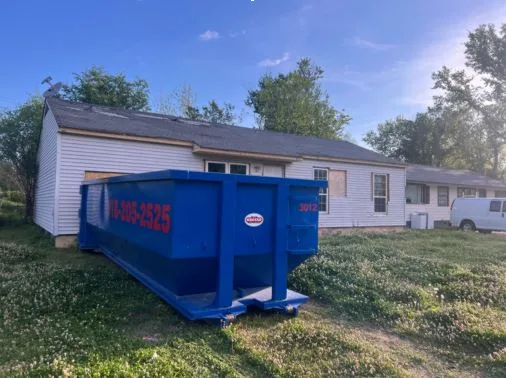
A dumpster rental can make a messy project feel a whole lot more manageable. Whether someone is cleaning out a garage, clearing debris from a home project, handling a move, or finally tackling that pile of junk that has been “temporarily” sitting around for years, having one central place for waste can save time, energy, and plenty of back-and-forth trips.
For many homeowners, contractors, landlords, and property managers, the biggest advantage of renting a dumpster is convenience. Instead of loading a truck, driving to a disposal site, unloading everything, and repeating the process, a dumpster allows debris to be collected right where the work is happening. That simple shift can make cleanup faster, safer, and easier to organize.
Still, getting the most value from a dumpster rental takes a little planning. The right size, placement, timing, and loading habits can all make a difference. A dumpster is a straightforward service, but the way it is used can affect how smooth the project feels from start to finish.
For anyone planning a cleanup, renovation, moving project, roofing job, or property cleanout, these tips can help make the process easier and more efficient.
Choose the Right Dumpster Size for the Project
One of the most important parts of renting a dumpster is choosing a size that fits the job. A smaller dumpster may seem like the budget-friendly choice at first, but it can become frustrating if it fills up too quickly. On the other hand, renting more space than needed may not always be the most practical option for a simple cleanup.
The best size usually depends on the type and volume of material being thrown away. A small garage cleanout, attic cleanup, or decluttering project may not need the same capacity as a remodeling job or construction project. Larger projects often produce bulkier debris, especially when materials such as cabinets, flooring, drywall, lumber, siding, or old furniture are involved.
It helps to think beyond the number of items being tossed. A few bulky pieces can take up more room than expected. Sofas, mattresses, cabinets, shelving, and broken patio furniture can fill space quickly, even if the total item count is low. Loose household junk, bags of clutter, and small boxes may pack more tightly, while construction debris can become heavy before the dumpster looks full.
When in doubt, it is usually better to choose a size that gives the project a little breathing room. Running out of space halfway through a cleanup can slow things down and may require extra planning. A properly sized dumpster keeps the work moving and helps avoid piles of leftover debris.
Plan the Best Placement Before Delivery
Dumpster placement matters more than many people realize. A good drop-off spot makes loading easier, protects the flow of the property, and helps keep the project organized. A poor placement spot can create extra walking, blocked access, or unnecessary frustration.
Driveways are often a practical choice for residential projects because they are close to the home and usually provide a stable surface. For construction or renovation projects, placing the dumpster near the work area can reduce carrying distance and help crews stay efficient. For cleanouts, the best spot may be near a garage, side entrance, or area where most of the material is being removed.
Before delivery, it helps to check for overhead obstacles like tree branches, wires, low awnings, basketball hoops, or roof overhangs. There should also be enough room for the delivery truck to safely enter, place the dumpster, and exit the property. Vehicles, trailers, tools, and other obstacles should be moved ahead of time.
It is also smart to consider daily access. If the dumpster blocks a garage, walkway, parking area, or gate, that may become inconvenient once the project is underway. A few minutes of planning before delivery can make the entire rental period easier.
Know What Can and cannot Go Inside.
A dumpster can handle a wide range of materials, but not everything belongs inside. Most general cleanup and construction debris is commonly accepted, including household junk, old furniture, wood, drywall, flooring, cardboard, yard debris in some cases, and similar non-hazardous waste. However, restrictions are common for items that may be dangerous, environmentally sensitive, or difficult to process.
Materials such as paint, chemicals, batteries, tires, fuel, oil, propane tanks, pesticides, and certain electronics may require special disposal. Appliances, mattresses, concrete, dirt, roofing materials, and heavy debris may also have specific rules depending on the rental provider and local disposal requirements.
This is where asking questions early can prevent problems later. Before loading the dumpster, customers should be clear on prohibited items and weight limits. Even a well-planned cleanup can become complicated if restricted materials are tossed in by mistake.
A good rule of thumb is simple: if an item contains liquid, chemicals, fuel, hazardous material, or anything pressurized, it should be checked before being placed in a dumpster. The same goes for unusually heavy materials. Weight adds up quickly, and heavy debris can affect hauling requirements even when the dumpster is not filled to the top.
Load the Dumpster With a Strategy
Loading a dumpster may seem like the easiest part of the process, but a little strategy can help maximize space and improve safety. The goal is to use the available room efficiently without overfilling the container.
Start with flat, heavy, or bulky items when possible. Breaking down furniture, boxes, shelving, and other large materials can create more space. Long boards, trim, and flat panels should be placed in a way that does not leave large gaps. Smaller debris can then fill around those larger pieces.
Avoid tossing everything randomly if the project includes a mix of bulky and loose material. Random loading often creates air pockets, which can make the dumpster appear full before the space is truly used. Placing items carefully can stretch the capacity and reduce the chance of needing more room.
It is also important not to load debris above the fill line or over the top edge. Overfilled dumpsters can create safety concerns during transport. Items sticking out of the top or sides may need to be removed before pickup, which can slow down the process.
For larger projects, it can help to keep a clear path to the dumpster. Piles of debris around the container can make loading harder and increase tripping hazards. A clean, organized work zone helps the entire project feel less chaotic.
Time the Rental Around the Actual Work
Timing can make a dumpster rental much more efficient. The best rental window usually lines up with when the debris will actually be created or removed. Having the dumpster too early may cause it to sit unused. Having it arrive too late may leave the property cluttered while the project waits.
For a weekend cleanup, scheduling the dumpster before the main work begins can help everything move quickly. For renovations, it may be better to coordinate delivery around demolition or the phase when the most waste will be generated. For moving or estate cleanouts, the dumpster should arrive when decision-making and sorting are ready to happen.
Project timing also depends on who is helping. If friends, family, tenants, or crews are involved, it is helpful to align the dumpster rental with the days when people are available. The more organized the schedule is, the easier it becomes to fill the dumpster efficiently.
Weather can also play a role. Rain, wind, heat, and cold can make cleanup more difficult. If the project involves cardboard, old furniture, or household clutter, keeping the timeline tight can reduce exposure to the elements. For construction debris, a clear schedule helps keep the job site cleaner and safer.
Use a Dumpster for More Than Major Construction
Many people think of dumpsters only for construction sites, but they are useful for a much wider range of projects. A dumpster can be a practical tool for seasonal cleaning, moving, downsizing, rental property turnover, garage cleanouts, attic cleanouts, storm cleanup, office cleanouts, and general junk removal.
For homeowners, a dumpster can turn a big cleanup into a focused project. Instead of making slow progress over several weeks, everything can be handled in one organized push. That can be especially helpful when preparing a home for sale, clearing space before a remodel, or cleaning up after years of stored items.
For contractors, dumpsters help keep job sites cleaner and more professional. Debris that is contained in one place is easier to manage and less likely to interfere with the work area. For landlords and property managers, dumpsters can speed up turnover after a tenant leaves behind unwanted items.
The value of a dumpster is not just the container itself. It is the time saved, the reduced hassle, and the ability to keep a project moving. When cleanup is easier, the rest of the job often feels easier too.
If you are looking for a reliable dumpster company in Tulsa, visit https://twobrotherscontainers.com/.
Make Cleanup Simpler From Start to Finish
A successful dumpster rental does not need to be complicated. Most of the process comes down to planning ahead, choosing the right size, placing the dumpster in a smart location, understanding what can be loaded, and using the space well. Those simple steps can make a big difference in how organized and stress-free the project feels.
Dumpsters are useful because they create structure during projects that are often messy by nature. Cleanouts, remodels, moves, repairs, and property updates all create debris. Without a plan, that debris can pile up quickly. With a dumpster on-site, the mess has somewhere to go.
The best approach is to think through the project before delivery day. What materials are being removed? How bulky are they? Where should the dumpster sit? Who will be loading it? How many days will the project realistically take? Answering those questions ahead of time can help avoid delays and keep the cleanup moving.
A Cleaner Project Starts With Better Planning
A dumpster rental can make a cleanup project feel much more organized from the very beginning. By choosing the right size, planning the placement, understanding what can go inside, and loading the container with a little strategy, customers can save time and avoid unnecessary stress. Whether the project involves household junk, remodeling debris, moving clutter, or general property cleanup, having a reliable dumpster on-site helps keep the work moving and makes the final cleanup easier to manage.
For local dumpster rental service, learn more from Two Brothers Dumpsters at https://twobrotherscontainers.com/.