7 Tips for Planning a Landscape Build That Actually Works for Your Property
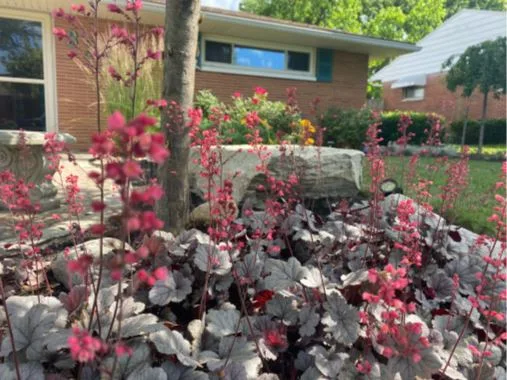
A landscape build is one of those projects that can completely change how a property feels. A plain backyard can become a place for relaxing after work. A front yard can become more welcoming from the street. A sloped, awkward space can become more usable with the right grading, walls, plantings, and hardscape features. When it is planned well, a landscape build does more than make a yard look nicer. It helps the outdoor space function better.
That is why planning matters so much. A landscape build may include planting beds, sod, grading, patios, walkways, retaining walls, irrigation, drainage, lighting, water features, fire features, or outdoor living areas. Each part needs to work with the others. A beautiful patio will not feel as successful if water drains toward it. New plants may struggle if the soil, sunlight, and irrigation plan are not considered. A walkway may look good on paper, but if it does not match how people actually move through the yard, it may not get used the way it should.
A strong landscape build starts with honest goals, smart design, and a practical understanding of the property. Here are seven helpful tips for planning a landscape project that feels intentional from the first sketch to the final cleanup.
Start With How You Want to Use the Space
Before thinking about plants, pavers, walls, or lighting, it helps to think about daily life. A landscape built should match the way the property will actually be used. That sounds simple, but it is easy to get distracted by inspirational photos and forget about real routines.
A family with kids may need open lawn space, durable surfaces, and clear sightlines. Someone who loves hosting may want a patio, seating area, lighting, and space for a fire feature. A homeowner who wants less weekend maintenance may prefer simplified beds, mulch, rock accents, and plant choices that fit the site. A front yard project may focus on curb appeal, walkway flow, and clean planting beds.
The point is to build around purpose first. A landscape should not only look good on the day it is finished. It should make the property easier to enjoy over time. When the layout supports how people live, the finished project feels more natural and useful.
Think About Drainage Before the Pretty Details
Drainage is not the flashiest part of a landscape build, but it is one of the most important. Water always needs somewhere to go. If that is ignored, even a polished design can develop problems later.
Poor drainage can lead to soggy lawn areas, erosion, washed-out mulch, standing water near patios, and stress on plantings. On sloped properties, water movement can also affect retaining walls, walkways, and soil stability. That is why drainage should be discussed early, not treated as an afterthought.
Good landscape planning looks at how water moves across the property before new features are installed. Grading, downspout direction, soil conditions, wall drainage, and low spots all matter. Sometimes the solution may be subtle, such as adjusting the slope of a bed or patio. Other times, it may require a more structured drainage system.
The fun design details are still important, but they work better when the foundation is handled correctly. A yard that drains properly is easier to maintain, more comfortable to use, and better prepared for long-term performance.
Match Hardscape to the Scale of the Yard
Hardscaping can bring structure to an outdoor space. Patios, walkways, driveways, retaining walls, seating areas, steps, and fire features can make a landscape feel more complete. They also tend to be some of the most visible and heavily used parts of a build.
The key is scale. A patio that is too small may feel cramped once furniture, a grill, and foot traffic are added. A walkway that is too narrow may not feel comfortable. A retaining wall that is not planned with the surrounding grade can feel out of place. On the other hand, oversized hardscape can overwhelm a yard and reduce green space.
A thoughtful landscape design balances hardscape and softscape. The solid features create structure, while plants, lawn, trees, mulch, stone, and lighting soften the look. Together, they make the yard feel finished instead of forced.
Material choice also matters. Pavers, natural stone, wall block, boulders, and other hardscape materials all create different styles. The right choice should fit the home, the property, and the level of maintenance the owner is comfortable with.
For landscape builds, hardscapes, and outdoor living services, visit Cable Bros Outdoor.
Choose Plants for the Property, Not Just the Picture
Plants bring life to a built landscape. They add color, texture, movement, shade, privacy, and seasonal interest. They can soften patios, frame walkways, define outdoor rooms, and make a property feel more established.
However, plant selection should be based on more than appearance. Sun exposure, soil conditions, drainage, mature size, root behavior, deer pressure, maintenance needs, and seasonal performance all matter. A plant that looks perfect in a photo may not be the right fit for every yard.
A strong planting plan considers how the landscape will grow over time. Small shrubs may look spaced out on installation day, but they need room to mature. Trees should be placed where they can grow without crowding the house, walkway, driveway, or utilities. Perennials and ornamental grasses should be grouped in a way that creates rhythm and visual interest through the seasons.
Maintenance should also be part of the conversation. Some homeowners enjoy pruning, dividing, watering, and refreshing beds. Others want something simpler. Neither approach is wrong, but the design should match the owner’s expectations.
Build Irrigation and Lighting Into the Plan
Irrigation and lighting are often easier to include during the original build than to add later. When these systems are planned early, they can be integrated cleanly with planting beds, lawn areas, patios, walkways, and outdoor living spaces.
Irrigation helps support new plantings and lawns, especially during dry stretches. It can also make maintenance easier by delivering water more consistently. A good irrigation plan should match the layout of the property, the water needs of the plants, and the type of lawn or beds being installed.
Lighting changes how a landscape feels after sunset. It can highlight trees, brighten walkways, improve visibility, and make patios or outdoor living areas more usable in the evening. It also adds dimension to the landscape by drawing attention to textures, walls, plantings, and architectural features.
These details may not be the first things people think about, but they can make the finished space feel more complete. A landscape build is not only about daytime curb appeal. It is about creating a property that works throughout the day and into the evening.
Plan for Maintenance From the Beginning
Every landscape needs some level of care. The question is how much. A smart landscape build should be designed with long-term maintenance in mind from the start.
Planting beds need weeding, edging, mulching, pruning, and seasonal cleanup. Lawns need mowing and watering. Pavers may need occasional cleaning and joint maintenance. Water features need attention to stay clear and running properly. Lighting and irrigation systems may need adjustments over time.
Planning for maintenance does not mean avoiding beautiful features. It means choosing features that match the property owner’s lifestyle. A large, layered planting design can be a great fit for someone who enjoys garden care. A cleaner, more simplified layout may work better for someone who wants an attractive yard with less hands-on upkeep.
Access also matters. Beds should be reachable. Equipment should be able to move through the property when needed. Drainage areas should remain clear. If the space is designed only for appearance and not for care, maintenance can become frustrating later.
For landscape installation, outdoor living, and property improvement services, visit Cable Bros Outdoor.
A Strong Landscape Build Starts With a Clear Plan
A landscape build is about more than adding new plants, patios, walls, or outdoor features. It is about creating a space that fits the property, supports everyday use, and feels like a natural extension of the home.
When drainage, hardscaping, plant selection, irrigation, lighting, and long-term maintenance are planned together, the finished result has a better chance of looking good and working well over time. With a thoughtful approach, a landscape build can turn an underused yard into a more comfortable, functional, and enjoyable outdoor space.