Top 5 HVAC Decisions Dayton Homeowners Should Make Before the Next Weather Swing
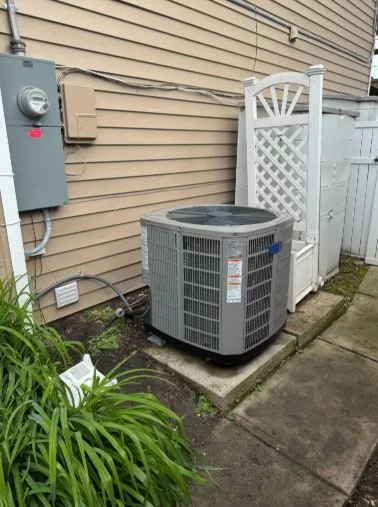
Dayton weather does not always ease a home comfort system into the next season. A mild week can turn into a humid stretch, a cold snap, or a sudden temperature swing that exposes problems fast. Homeowners do not need to know every technical detail of HVAC equipment, but they do need to make smart decisions before comfort becomes urgent. These five practical HVAC decisions can help protect efficiency, comfort, safety, and long-term system value.
1. Decide Whether Your System Needs Maintenance Before It Needs Repair
The easiest HVAC problem to handle is the one that gets caught early. Regular maintenance gives a technician a chance to inspect the system, clean key components, check performance, identify wear, and spot warning signs before they turn into a no-cooling or no-heat situation.
For air conditioning, maintenance is especially useful before peak summer humidity. A neglected AC system can lose performance because of dirty coils, restricted airflow, clogged drain lines, weak electrical components, or low refrigerant-related issues. Some problems build slowly, which means the system may still run while using more energy and cooling less effectively.
For heating, a seasonal check can help confirm that the furnace or heat pump is operating safely and consistently. This is not only about comfort. Heating equipment needs proper airflow, ignition, venting, electrical function, and safety controls. If something is off, it is better to know before the first bitter stretch of winter.
One common misconception is that maintenance only matters when a system is old. Newer systems also benefit from routine care. Maintenance can help support performance, preserve equipment life, and reduce the chance of preventable breakdowns. It can also help homeowners understand whether the system is aging normally or showing early signs of stress.
The practical takeaway is simple: do not wait for strange noises, weak airflow, short cycling, or uneven temperatures to become obvious. If the system has not been checked before the season changes, scheduling maintenance is usually the smartest first move.
2. Decide When a Repair Is Still Worth It
Not every HVAC issue means the system needs to be replaced. Many problems can be repaired, especially when the equipment is otherwise in decent condition. A failed capacitor, clogged condensate drain, thermostat issue, dirty flame sensor, worn blower component, or minor electrical problem may be fixable without replacing the full system.
The harder decision is knowing when repairs are starting to become a pattern. If a system needs frequent service, struggles to maintain temperature, runs longer than it should, or produces rising utility bills without a clear explanation, the repair conversation should become more thoughtful. Homeowners should ask what failed, why it failed, whether related components are also worn, and how likely the issue is to return.
A repair may make sense when the system is younger, the issue is isolated, and the rest of the equipment is in good shape. Replacement may deserve consideration when the system is older, repairs are stacking up, comfort is poor, or the cost of repair is high compared with the remaining useful life of the equipment.
Homeowners should also be careful about vague answers. A good HVAC recommendation should explain the problem in plain language. It should separate urgent safety or operational concerns from optional improvements. It should also help the homeowner understand choices rather than pressure them into the most expensive option.
That is why working with a company that values clear, no-pressure guidance matters. For example, Paradise Heating and Cooling describes its approach around honest recommendations, residential and light commercial HVAC services, and helping homeowners choose repair, replacement, or maintenance based on the actual situation.
Paradise Heating and Cooling
The best repair decision is not always the cheapest option today. It is the option that makes the most sense for comfort, safety, reliability, and budget over time.
3. Decide If Your Home Has an Airflow Problem, Not Just a Temperature Problem
When a room feels uncomfortable, many homeowners assume the equipment is not big enough or that the thermostat is set incorrectly. Sometimes that is true. Often, though, the real issue is airflow.
Airflow problems can make an HVAC system seem weaker than it is. A bedroom may stay warm in summer because the supply airflow is limited. A finished basement may feel too cold because the system is not balanced well. A second floor may lag behind the thermostat because heat rises and duct design matters. Closed vents, dirty filters, blocked returns, leaky ducts, undersized ductwork, or blower issues can all affect comfort.
This is important because replacing equipment without addressing airflow can lead to disappointment. A new system connected to poor ductwork may still leave rooms uneven. A high-efficiency unit cannot perform well if air cannot move through the home properly.
Homeowners can start with basic checks. Replace or inspect the air filter. Make sure supply and return vents are open and not blocked by furniture, rugs, curtains, or storage. Notice whether discomfort is isolated to one room, one floor, or the whole house. Pay attention to whether the system runs constantly or shuts off too quickly.
From there, a technician can evaluate whether the issue involves the blower, ductwork, return air, static pressure, insulation, zoning, or system sizing. These details matter because HVAC comfort is not only produced by the equipment. It is delivered through airflow.
A common misconception is that bigger equipment automatically fixes uncomfortable rooms. In reality, oversized equipment can short cycle, remove less humidity, and create uneven comfort. The right solution starts with diagnosis, not guesswork.
4. Decide Whether Indoor Air Quality Deserves More Attention
Heating and cooling are the obvious parts of HVAC, but indoor air quality can affect how a home feels every day. Dust, humidity, stale air, odors, allergens, and poor filtration can make a house feel less comfortable even when the temperature is technically correct.
In the Dayton area, seasonal changes can bring different indoor air concerns. Spring and summer may bring humidity and allergens. Winter can bring dry air, closed windows, and less fresh air exchange. Homes with pets, older ductwork, recent remodeling, or allergy-sensitive occupants may notice air quality issues more often.
The first step is filtration. A filter should match the system’s requirements, not just the highest rating available at the store. A filter that is too restrictive can reduce airflow and strain equipment. A filter that is too weak may not capture enough particles. The right choice depends on the system and household needs.
Humidity also matters. High humidity can make a home feel sticky, encourage musty odors, and make the AC work harder to keep occupants comfortable. Low humidity can make the air feel dry in winter. Depending on the home, solutions may include better maintenance, humidity control, ventilation improvements, air purification options, or duct evaluation.
Indoor air quality is often misunderstood as an “extra” rather than part of comfort. But a home can be set to the right temperature and still feel unpleasant if the air is stale, dusty, humid, or dry. A full HVAC conversation should include how the air feels, not only what the thermostat says.
For homeowners comparing options, an experienced HVAC company in Dayton can help identify whether the issue is filtration, humidity, ventilation, ductwork, maintenance, or equipment performance.
hvac Company in dayton
The actionable takeaway is to describe symptoms clearly. “The house feels dusty,” “the upstairs is humid,” “one room smells stale,” or “the air feels dry in winter” give a technician useful clues.
5. Decide What Matters Most Before Replacing Equipment
Replacement is one of the biggest HVAC decisions a homeowner can make, and it should not be rushed. A new system affects comfort, energy use, noise, humidity control, reliability, and budget for years. The right equipment depends on the home, not just the brand name on the cabinet.
Before replacing an AC, furnace, or heat pump, homeowners should think through a few practical priorities. Is the main problem comfort, efficiency, reliability, noise, humidity, repair cost, or all of the above? Are some rooms always uncomfortable? Has insulation or ductwork been evaluated? Does the current system run in short cycles or constantly? Are there plans to finish a basement, add living space, or change how the home is used?
System sizing deserves careful attention. A unit that is too small may struggle during extreme weather. A unit that is too large can cycle too quickly, reduce humidity control, and wear down faster. A proper recommendation should consider the home’s layout, insulation, windows, ductwork, and comfort needs.
Homeowners should also ask about installation quality. Even good equipment can perform poorly if it is installed carelessly. Proper refrigerant charge, airflow setup, drain routing, electrical connections, venting, duct transitions, thermostat setup, and startup checks all matter. The installation is not just a delivery. It is the foundation for how the system will perform.
Budget matters too, but the lowest upfront price is not always the best long-term value. A slightly better-matched system, cleaner installation, or improved comfort design may prevent years of frustration. Financing options, warranties, maintenance expectations, and efficiency ratings should all be part of the conversation.
The most helpful replacement quote is one that explains the “why.” Why this size? Why this equipment type? Why repair no longer makes sense? Why should ductwork, air quality, or thermostat setup be considered? Clear answers help homeowners make confident decisions.
Better HVAC Decisions Start With Better Questions
The best time to think about HVAC is before the system becomes an emergency. Maintenance, repair choices, airflow, indoor air quality, and replacement planning all affect how comfortable and efficient a home feels through Dayton’s changing seasons. Homeowners do not need to diagnose every issue themselves, but they should know what questions to ask and what warning signs deserve attention. A thoughtful HVAC plan can help reduce surprises, improve comfort, and make each service decision feel less stressful and more informed.