Rolex Daytona Le Mans For Sale: Why This Watch Is So Hard to Find (And How to Actually Get One)
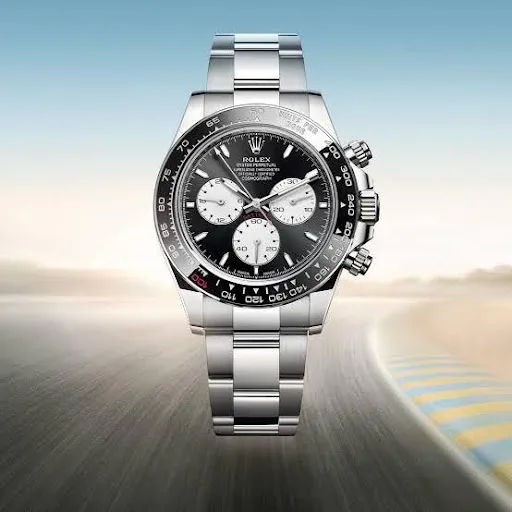
Type Rolex Daytona Le Mans for sale into Google and you’ll notice something odd pretty quickly. There’s no listing page. No “add to cart.” No retailer with a clean price tag and a stock counter. Just forum threads, auction archives, and a handful of dealers hinting that they might, possibly, be able to help — if you’re the right kind of buyer.
That’s not a coincidence, and it’s not marketing either. It’s simply how this watch works. If you’re serious about owning one, it helps to understand exactly why it’s this difficult before you start looking, because the usual rules of watch shopping don’t really apply here.
What Makes the Daytona Le Mans Different From a Normal Rolex
Most people assume a Rolex is hard to get because of general hype — long waitlists, limited production, the usual story you hear about steel sports models. The Le Mans Daytona is a different category entirely.
Rolex created this piece to mark the centenary of the 24 Hours of Le Mans, arguably the most storied endurance race in motorsport. Rather than releasing it as a standard catalogue model, Rolex kept it off-catalogue — meaning it was never meant to sit in a boutique display case where any walk-in customer could request it. References 126529LN, 126528LN and 126525LN cover the range, spanning white gold with its reverse panda dial and “100” scale detail, a bolder yellow gold version, and an Everose gold variant.
Off-catalogue doesn’t mean rare in the abstract sense people throw around loosely. It means Rolex distributes these through private allocation — internal relationships, long-standing collector relationships with boutiques, and a network that has very little to do with simply walking into a store and asking. Even clients with a long purchase history at their local Rolex boutique are often told the same thing: not available, no timeline given.
That single detail changes the entire buying process. You’re not choosing between “wait a year” or “pay a premium.” You’re often choosing between “find someone with real access” or “don’t get one at all.”
Why “For Sale” Listings Are So Inconsistent
If you’ve already searched around, you’ve probably noticed prices for the Daytona Le Mans swing wildly depending on where you look. That’s a symptom of the market structure, not random noise.
Because there’s no official retail price attached to secondary sales — Rolex doesn’t publish one for a piece it never intended to sell through normal channels — every listing is essentially a private negotiation dressed up as a fixed price. A seller with genuine provenance, full box and papers, and a documented chain of ownership will price differently than someone flipping a piece they picked up through a less transparent route. Condition matters enormously too; a piece that’s been worn occasionally and serviced properly holds value very differently than one bought purely as a flip and handled carelessly.
Then there’s the metal variant itself. The white gold reference, with its distinctive reverse panda dial, tends to command different demand than the yellow gold or Everose versions, partly aesthetic preference and partly because certain metal references were allocated in smaller numbers to begin with.
All of this means that when you see a listing labelled “Rolex Daytona Le Mans for sale,” the number attached to it tells you very little on its own. What actually matters is who’s selling it, how it was sourced, and whether the paperwork backs up every claim being made.
The Real Risk: Authenticity in a Market Without a Storefront
Here’s the part that catches people out. When a watch this desirable trades almost entirely outside normal retail channels, the market inevitably attracts people trying to take advantage of that opacity. Franken-watches — pieces assembled from mismatched genuine and non-genuine parts — show up more often in off-catalogue categories precisely because buyers have fewer reference points to check against.
A serious buyer needs three things confirmed before any money changes hands: the movement matches factory specification, the case and bracelet haven’t been swapped or altered, and the papers genuinely correspond to that specific serial number rather than simply looking convincing. None of that is something you can reliably judge from photos on a listing site, no matter how detailed the description sounds.
This is really the core reason experienced collectors don’t just search “Rolex Daytona Le Mans for sale” and buy from whoever ranks highest. They go through dealers and specialists who stake their reputation on independent verification — people who physically inspect the movement, cross-check the case and bracelet against reference archives, and confirm the papers before the watch ever reaches a buyer.
What Actually Determines the Price
Since there’s no fixed retail figure to anchor against, pricing for the Daytona Le Mans comes down to a handful of concrete factors, the same ones that drive value across the wider grey and grand market for exceptional watches.
Metal and reference. White gold, yellow gold and Everose gold references don’t trade at identical levels, and small differences in original allocation numbers show up in demand.
Completeness. A full set — original box, all papers, warranty card, purchase receipt where available — sits meaningfully above a watch-only sale, sometimes by a significant margin.
Condition and service history. Rolex movements are built to last decades, but a documented service history from an authorised source reassures buyers in a way that an unverified “runs fine” claim never quite does.
Provenance. Where the watch came from matters. A piece with a clear, traceable ownership history commands more confidence — and often more money — than one with an ownership story that doesn’t quite add up.
Market timing. Like any allocation-driven piece, demand isn’t static. Interest tends to spike around major motorsport moments, particularly anything tied back to Le Mans itself, and pricing can shift accordingly.
How Serious Buyers Actually Source This Watch
Given everything above, the practical path to owning a Daytona Le Mans usually looks nothing like a typical watch purchase. It looks more like commissioning a search.
You start by being specific about exactly what you want — reference number, metal preference, condition tolerance, and timeline. A specialist with an established dealer and collector network then works that request through relationships built over years, not a public inventory list. When something surfaces, it goes through independent verification before it’s even presented as an option, checking the movement, case and papers against known reference points.
From there, payment is typically handled through escrow, meaning funds are held securely until the buyer has confirmed the watch matches what was promised, protecting both sides of a transaction that, by nature, involves real money moving between parties who’ve likely never met in person. Delivery for pieces at this level is usually fully insured and handled white-glove, sometimes with hand-carry service for particularly significant timepieces crossing borders.
This is essentially the model firms like The 0.1% Group operate on for pieces like the Le Mans Daytona — sourcing off-catalogue watches through a private dealer and collector network, verifying every piece through independent horologists before it changes hands, and managing the transaction end-to-end so buyers aren’t left navigating an opaque secondary market alone.
Questions Worth Asking Before You Commit
Before agreeing to any Daytona Le Mans purchase, a few questions separate a confident buyer from one who’s about to make an expensive mistake.
Has the movement been independently verified against factory specification, and by whom? Is the seller providing a documented chain of provenance, or simply asserting authenticity without evidence? Are funds protected through escrow or a comparable secure payment structure, rather than a direct transfer with no recourse? Does the delivery come with insured, trackable shipping, and is there a clear return or dispute process if the watch doesn’t match what was described on arrival?
If any of those questions get a vague or evasive answer, that’s reason enough to keep looking elsewhere, regardless of how attractive the price seems.
Frequently Asked Questions
Can you buy a Rolex Daytona Le Mans directly from a Rolex boutique? Rarely, and never guaranteed. Because it’s an off-catalogue piece, allocation happens through internal relationships rather than standard walk-in retail, even for long-standing boutique clients.
Why do prices for the Daytona Le Mans vary so much between sellers? There’s no official retail price to anchor against. Value depends on metal reference, completeness (box, papers, warranty card), condition, provenance and current demand, all of which differ from one listing to the next.
Is buying through a specialist dealer safer than a private sale? Generally, yes. A specialist with independent verification processes, escrow payment protection and insured delivery removes most of the risk inherent in a market with no centralised, transparent point of sale.
Which metal reference is the most sought-after? Preference varies, but the white gold reference with its reverse panda dial tends to draw particular attention for its distinctive look, alongside strong interest in both the yellow gold and Everose gold variants.
Final Thoughts
The Rolex Daytona Le Mans isn’t a watch you stumble into buying. It’s a piece you deliberately go looking for, with a clear understanding that the process will look different from any other purchase you’ve made — no storefront, no fixed price, no guarantee that patience alone will get you there.
That’s precisely why sourcing matters as much as the watch itself. Whether you’re comparing your first genuine lead against something that seems too easy to be real, or you’re ready to commission a proper search through a network built for exactly this kind of acquisition, treating the process with the same rigour as the watch’s own rarity is what actually gets serious collectors across the finish line.