How HR Software Helps Businesses Build Stronger Teams
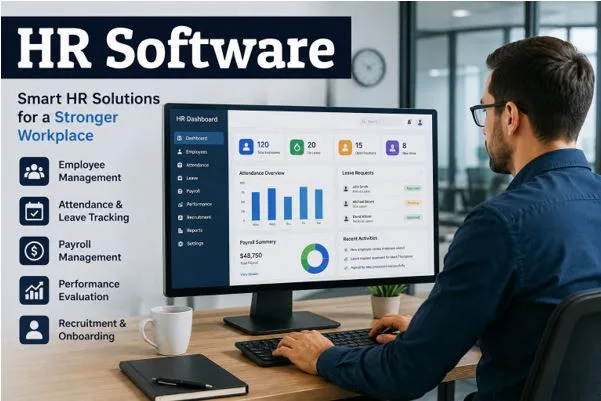
Every growing business reaches a point where spreadsheets and paperwork are no longer enough to manage employees effectively. Investing in reliable hr software can simplify daily HR tasks, improve communication, and help organizations create a better experience for both managers and employees. From hiring new talent to managing attendance and payroll, the right system saves time while keeping important employee information organized and secure.
Why Businesses Need Modern HR Software
Human resource management has changed significantly over the years. Companies now expect faster processes, accurate records, and better employee engagement. Manual methods often lead to misplaced documents, repeated work, and unnecessary delays.
HR software brings multiple HR functions together into one platform, allowing businesses to:
- Store employee records securely.
- Track attendance and leave requests.
- Manage payroll more efficiently.
- Simplify recruitment.
- Improve performance evaluations.
- Generate reports with just a few clicks.
Instead of spending valuable hours on administrative work, HR teams can focus on building a positive workplace and supporting employees.
Key Features That Make HR Software Valuable
Different businesses have different requirements, but the best HR software usually includes a complete set of features designed to support every stage of the employee journey.
Employee Information Management
A centralized employee database keeps all essential records in one location. HR teams can quickly access personal details, employment history, job roles, contracts, and important documents whenever needed.
This reduces paperwork while improving accuracy and organization.
Recruitment and Hiring
Finding qualified candidates takes time, especially when applications arrive from multiple sources. HR software helps organize the hiring process by allowing recruiters to:
- Post job openings.
- Track applicants.
- Schedule interviews.
- Maintain candidate records.
- Compare applicants more efficiently.
A structured hiring process helps businesses identify suitable candidates without unnecessary delays.
Attendance and Leave Management
Tracking attendance manually becomes difficult as teams grow. HR software automates attendance records and makes leave management much simpler.
Employees can request leave online, while managers can approve or reject requests quickly. Real time attendance tracking also helps reduce payroll errors.
Payroll Processing
Payroll accuracy is essential for employee satisfaction. Modern HR software integrates attendance, leave balances, tax calculations, and salary components into one system.
This minimizes manual calculations and helps ensure employees receive accurate payments on schedule.
Performance Evaluation
Regular performance reviews encourage employee development. HR software allows managers to set goals, record achievements, provide feedback, and monitor progress throughout the year.
Clear performance tracking also helps organizations recognize top performers and identify training opportunities.
Benefits of Using HR Software
Businesses that implement HR software often notice improvements across several departments.
Increased Productivity
Automated workflows eliminate repetitive tasks, allowing HR professionals to focus on recruitment, employee engagement, and strategic planning.
Better Accuracy
Manual data entry increases the risk of mistakes. HR software reduces errors by automating calculations and maintaining consistent employee records.
Improved Employee Experience
Employees appreciate having easy access to payslips, leave balances, attendance records, and company information through self service portals.
This convenience improves satisfaction while reducing routine HR inquiries.
Stronger Compliance
Employment regulations continue to evolve. HR software helps maintain organized records and simplifies compliance with labor requirements by keeping documentation accessible and updated.
Data Driven Decisions
Built in reporting tools allow HR managers to analyze workforce trends, employee turnover, attendance patterns, recruitment performance, and other valuable insights that support better business decisions.
Choosing the Right HR Software
Not every solution offers the same capabilities. Before selecting HR software, businesses should carefully evaluate their current and future needs.
Consider factors such as:
- Ease of use.
- Cloud accessibility.
- Mobile compatibility.
- Payroll integration.
- Recruitment tools.
- Attendance management.
- Customer support.
- Data security.
- Scalability for business growth.
A flexible solution allows organizations to expand without replacing their entire HR system later.
HR Software for Small and Large Businesses
Many people assume HR software is only useful for large organizations, but businesses of every size can benefit.
Small businesses gain better organization without hiring additional administrative staff. Medium sized companies improve collaboration across departments, while larger enterprises can manage multiple offices and thousands of employee records from a single platform.
Cloud based systems are especially useful because they allow authorized users to access information securely from different locations whenever required.
Common Challenges Solved by HR Software
Businesses often struggle with recurring HR issues that slow productivity and create unnecessary stress.
These challenges include:
- Lost employee documents.
- Delayed leave approvals.
- Payroll calculation mistakes.
- Inconsistent attendance tracking.
- Difficulty managing recruitment.
- Limited reporting capabilities.
- Time consuming manual record keeping.
HR software addresses these problems by centralizing information and automating everyday processes.
Supporting Employee Growth
Successful organizations understand that employees are their greatest strength. HR software supports professional development by helping managers monitor training programs, certifications, performance goals, and career progression.
Employees also benefit from greater transparency since they can review their own information, submit requests, and stay informed about company policies without waiting for manual responses.
This creates a more organized and engaging workplace where communication flows more smoothly.
Preparing for Future Business Growth
As organizations expand, HR responsibilities become increasingly complex. More employees mean more records, additional payroll processing, increased recruitment activity, and greater compliance responsibilities.
Using HR software early helps businesses establish efficient processes before growth creates unnecessary administrative challenges. A scalable platform adapts as workforce requirements evolve, making expansion much easier to manage.
Companies that invest in organized HR systems are better prepared to attract skilled professionals, retain valuable employees, and maintain consistent operations while supporting long term business success. A well managed workforce creates a stronger foundation for productivity, employee satisfaction, and sustainable growth, allowing every department to perform with greater confidence and efficiency.