Every Brooklyn Renovation Is Secretly a Plumbing Project
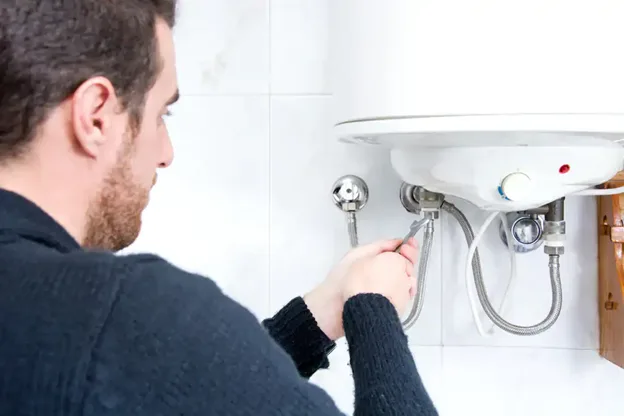
Every renovation in this borough starts with a mood board and ends with a conversation about pipe. The demo crew opens a parlor-floor wall in Boerum Hill, and the project stops being about tile for a while, because what’s back there is the plumbing Brooklyn has been quietly running on for a century, and none of it appears on the designer’s drawings. The renovations that stay on budget aren’t the lucky ones. They’re the ones where somebody looked behind the wall, at least in spirit, before the contract got signed.
The Wall Decides the Budget
A renovation quote holds right up until demolition day. Then the plaster comes off a Brooklyn Heights townhouse kitchen and there it all is: galvanized supply lines crumbling at the threads, a branch drain pitched backward by some long-dead handyman, not one working shutoff between the cellar and the third floor. The quote was for a kitchen. The wall votes for a plumbing project first.
Nobody sees through plaster, but the building’s age predicts most of it. Pre-1940 usually means galvanized supply and cast iron drainage, and both are near the end of whatever life they had. A contingency line in these houses isn’t padding. It’s a budget item with a job to do, and it gets used.
Moving a Toilet Three Feet Is Not a Small Ask
Design apps let you drag fixtures anywhere on the screen. Gravity doesn’t. A drain needs its quarter inch of fall per running foot, every fixture needs a vent within a distance the code sets, and in a row house the joists run party wall to party wall, so a new drain route either follows the joist bays or starts cutting structure. The stack location decides the floor plan more than the designer does, which is why bathrooms in brownstones sit stacked on top of each other floor after floor like it was planned. It was.
Kitchen islands are their own negotiation. A sink out in the middle of the room needs a loop vent under the floor or an air admittance valve in the cabinet to drain properly, and which one flies is a conversation between the plumber and, sometimes, the inspector.
While the Wall Is Open
Open walls come around once a generation, and tile is the most expensive wallpaper there is to remove twice. So the standing advice from anyone who actually does this work: replace what you can reach while you can reach it. Swap the galvanized branches for copper or PEX. Put a quarter-turn shutoff at every fixture so the next repair doesn’t take the whole house offline. Upsize the line feeding that oversized rain head, because the showroom pressure it promised assumed pipe the house doesn’t have. Fit a pressure-balancing shower valve, which code requires in new work anyway and which ends the scalding-when-someone-flushes experience permanently.
Partial repipes from decades past leave their own trap. Wherever some earlier repair joined copper straight to galvanized steel, the two metals have been quietly eating each other through galvanic corrosion ever since, and those joints fail before either pipe does. A dielectric union costs a few dollars and stops the reaction. Finding three of these buried in a wall that’s already open is a gift. Finding them after the tile goes up is a claim.
None of it shows in the after photos, which is exactly why it gets skipped, and skipping it is how a gut-renovated bathroom winds up with 1948 pipe behind 2026 tile.
Permits, Licenses, and the Range That Moved
Plumbing work in New York City runs through licensed master plumbers and Department of Buildings permits, with narrow exceptions for like-for-like swaps. Moving a gas range even a few feet means licensed gas work, a pressure test, and a sign-off, no matter how short the new run looks. Condo and co-op boards in DUMBO and Downtown Brooklyn stack their own layer on top, alteration agreements that want license numbers and insurance certificates on file before a wrench comes out of the bag.
The unpermitted route is always available and cheaper on day one. It surfaces later, usually at resale, when the buyer’s attorney pulls the DOB record and the beautiful bathroom officially does not exist. Legalizing old work at today’s prices, with expediting fees and the discovery that the vent was never right, costs more than the permit ever would have.
The Line Items Nobody Sees Coming
Old buildings hold a few surprises in reserve. The lead closet bend, that soft gray elbow under a prewar toilet, tends to crumble the moment the bowl comes up, and then a flange rebuild is happening whether it was scoped or not. Cast iron hubs sealed with oakum and poured lead take demolition vibration personally. And the main shutoff, the one valve the entire project depends on, sometimes spins without closing anything, which turns a scheduled Tuesday repipe into a call to get the curb valve shut at the street first.
Crews working the older blocks of Vinegar Hill and South Slope plan for one of these per job. Occasionally they’re pleasantly wrong.
Walk the Plumber Through Before the Architect
The renovations that go smooth share one unglamorous habit: a plumber walked the space before demo, traced the stack, found the shutoffs, and flagged what the drawings missed. An hour of that moves the budget around on paper instead of mid-project, when everything costs triple and the household is showering at the gym. Design around the stack and the job flows. Design against it and the job becomes a story people tell at dinner parties for years.
Brooklyn Plumber Co handles renovation plumbing across the borough, rough-in through fixture installation with the permit filings included, from Brooklyn Heights out to Manhattan Beach. The shop is at 2361 Nostrand Ave, Brooklyn, NY 11210, and (929) 605-5967 is the number to call before the sledgehammer swings, ideally.