How Technology Is Reshaping Marriage Culture in Pakistan’s Educated Class
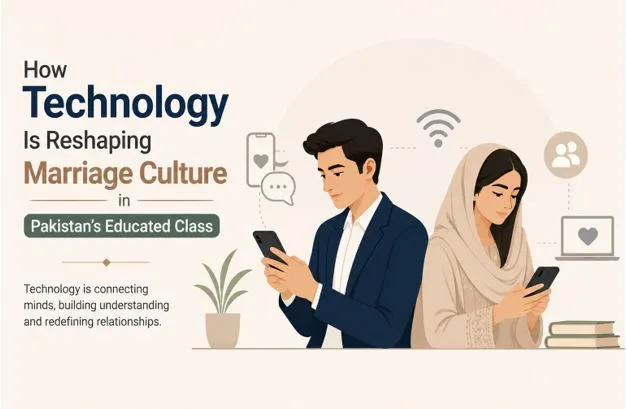
Marriage has always been a cornerstone of Pakistani society. For decades, the process followed a predictable path — families would rely on extended networks, local matchmakers, and community connections to find suitable matches for their children. But as Pakistan’s digital infrastructure expands and a new generation of university-educated professionals enters the marriage market, the landscape is shifting dramatically.
The Digital Shift in South Asian Matchmaking
Pakistan is home to over 100 million internet users, a number that continues to grow year over year. With smartphone penetration now exceeding 55 percent, digital services have transformed everything from banking to grocery shopping. It was only a matter of time before the deeply personal process of finding a life partner followed suit.
What makes Pakistan’s case unique is the cultural nuance involved. Unlike Western dating apps that prioritize casual connections, Pakistani users seek platforms that respect family involvement, religious compatibility, and long-term commitment. This has given rise to a distinct category of online matrimonial platforms that blend modern technology with traditional values.
Why Educated Professionals Are Leading the Change
The shift toward digital matchmaking is most pronounced among educated professionals. Doctors, engineers, IT specialists, and business graduates — particularly those living in major cities like Lahore, Karachi, and Islamabad, or working abroad in the UK, USA, and Middle East — face a specific challenge. Their professional commitments leave limited time for the traditional rishta process, which often involves months of family visits and social networking.
For overseas Pakistanis, the challenge is even greater. Geographic distance makes it nearly impossible to attend traditional gatherings or rely on extended family connections back home. Platforms like SelectProposal.com have emerged to address this gap, offering verified profiles of educated Pakistani professionals with a focus on serious, family-approved matches rather than casual browsing.
Privacy and Verification: The Two Pillars
One of the biggest barriers to adoption of digital matchmaking in conservative societies has been the concern around privacy and authenticity. Early platforms suffered from fake profiles, unclear intentions, and a lack of accountability — issues that eroded trust among families.
The newer generation of Pakistani matrimonial services has responded with robust verification systems. Profile reviews, identity verification, and family involvement features ensure that users can trust the profiles they interact with. This shift from anonymous browsing to verified, accountable matchmaking has been critical in gaining acceptance among families who were initially skeptical of finding a rishta online.
The Role of Family in Modern Matchmaking
A common misconception is that digital matchmaking removes family from the equation. In practice, the opposite is true. Most Pakistani online matrimonial platforms are designed with family participation in mind. Parents and siblings can create profiles on behalf of their children, and the shortlisting process mirrors the traditional approach — it simply happens faster and with access to a wider pool of potential matches.
This hybrid model, where technology enables discovery, but families retain decision-making authority, appears to be the formula that resonates most strongly with Pakistani users.
Market Growth and Regional Trends
The South Asian online matrimonial market is projected to grow at a compound annual rate of over 10 percent through 2030, driven by increasing internet access, rising urbanisation, and changing attitudes among younger demographics. Pakistan, with its large and young population, represents one of the fastest-growing segments within this market.
Regional preferences also play a role. Users from Punjab may prioritise caste-based compatibility, while those from Khyber Pakhtunkhwa often emphasise tribal and family lineage. Platforms that accommodate these regional nuances, rather than applying a one-size-fits-all approach, tend to see higher engagement and satisfaction rates.
Challenges Ahead
Despite the progress, challenges remain. Digital literacy varies significantly across urban and rural populations. Trust in online platforms, while improving, still lags behind trust in personal referrals. And the monetisation models of these platforms must balance sustainability with accessibility, particularly for middle-class families who may find subscription fees prohibitive.
There is also the question of data privacy. As platforms collect sensitive personal information — from religious beliefs to family backgrounds — robust data protection practices are essential to maintaining user trust. The platforms that invest in security infrastructure today will likely be the ones that earn long-term market leadership.
Looking Forward
The intersection of technology and tradition in Pakistani marriage culture is not a story of replacement, but of evolution. The rishta process is not disappearing — it is becoming more efficient, more accessible, and more inclusive. For a generation that navigates both Islamic values and global professional ambitions, digital matchmaking offers a practical bridge between the two.
As broadband connectivity reaches Pakistan’s smaller cities and towns, the next wave of growth in online matchmaking will likely come from Tier 2 and Tier 3 cities — places like Faisalabad, Multan, Sialkot, and Bahawalpur, where educated families are increasingly comfortable with digital services.
The transformation of marriage culture in Pakistan is still in its early chapters. But the direction is clear: technology, when designed with cultural sensitivity, can strengthen rather than weaken the traditions that matter most.