Filling Machine: The Smart Choice for Faster and Consistent Production
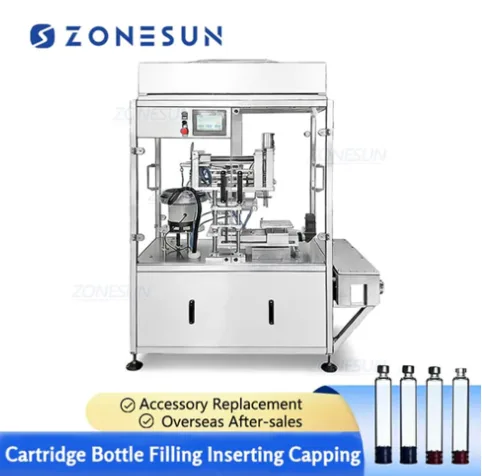
Modern manufacturing depends heavily on efficient production methods. As businesses expand, they need reliable equipment that can handle increasing orders without compromising product quality. One of the most useful solutions for packaging operations is a Filling Machine. This equipment helps manufacturers place a controlled quantity of products into bottles, containers, jars, tubes, and other packaging formats.
In many industries, filling is a repetitive task that can consume a significant amount of time when performed manually. Workers may need to measure each product individually, which can lead to slower production and differences in filling quantities. A suitable machine can simplify this process by automating or assisting with the dispensing operation.
Today, filling equipment is used by businesses of different sizes. Small manufacturers may choose compact semi-automatic systems, while large production facilities often use fully automated filling lines connected with conveyors and other packaging machines.
Understanding the Filling Process
The filling process may appear simple, but it involves several important steps. First, empty containers are brought to the filling area. Depending on the production setup, containers may be placed manually or automatically transported by a conveyor.
Once the containers reach the correct position, filling nozzles are placed above or inside them. The machine then releases a predetermined amount of product. After the desired quantity has been dispensed, the containers move to the next stage of the packaging process.
Modern systems use different technologies to control the filling volume. Some machines measure products by volume, while others may use weight or other control methods. The appropriate system depends on the product characteristics and the accuracy required by the manufacturer.
What Products Can Be Filled?
One of the biggest advantages of filling technology is its versatility. Different machine designs are available for handling a wide variety of materials.
Thin liquids such as water, juices, and liquid cleaning products can be processed using suitable liquid filling systems. Thicker materials, including creams, gels, sauces, and lotions, may require specialized equipment designed to move products with higher viscosity.
Powdered materials can also be handled by dedicated filling systems. These machines are commonly used for products such as spices, flour, dry food ingredients, and certain pharmaceutical powders.
Because every product has different characteristics, manufacturers should not select equipment based only on production speed. The machine must also be compatible with the product’s texture, viscosity, density, and packaging requirements.
The Importance of Production Consistency
Consistency is one of the main reasons manufacturers choose automated filling solutions. When every container receives approximately the same quantity, the final products have a more uniform appearance and quality.
For commercial businesses, consistent filling can also help manage raw material consumption. Overfilling each container by a small amount may seem insignificant, but across thousands of units, the extra material can represent a considerable loss.
A well-adjusted filling system can help reduce such waste by providing better control over the dispensing process. This can support more efficient use of expensive ingredients and improve overall production management.
Filling Machines in the Cosmetic Industry
The cosmetic sector is one of the industries where filling technology plays an important role. Products such as facial creams, body lotions, shampoos, conditioners, liquid makeup, and other personal care products often require specialized packaging processes.
Cosmetic products may have different textures and viscosities, so the filling equipment must be selected carefully. Some products flow easily, while others are thick and require a stronger dispensing mechanism.
Businesses involved in beauty and personal care manufacturing can use a cosmetic filling machine to improve production consistency and reduce the amount of manual filling work.
The right machine can also help cosmetic manufacturers maintain a more organized production process. When filling is combined with capping, labeling, and other packaging operations, the complete workflow can become faster and easier to manage.
Choosing Between Different Automation Levels
Manufacturers have several options when it comes to automation. The ideal choice depends on the size of the business and its production requirements.
A manual system may be sufficient for very small operations with limited daily output. However, as demand increases, manual filling can become difficult to manage.
Semi-automatic equipment provides additional support while still requiring an operator for certain tasks. It can be a practical choice for growing businesses that want to improve efficiency without moving immediately to a completely automated production line.
Fully automatic equipment is designed for high-volume operations. These machines can often work continuously with conveyors and other packaging equipment. Once properly configured, they can perform repetitive filling tasks with minimal operator involvement.
How Automation Can Reduce Production Challenges
Manufacturing businesses often face several challenges, including labor requirements, inconsistent filling, material wastage, and production delays. Automated filling technology can help address many of these issues.
Machines can perform repetitive operations at a consistent pace, which may allow businesses to increase production without adding the same amount of manual labor. Automated systems can also reduce the chances of human measurement errors.
Another advantage is improved workflow. Instead of workers individually measuring and filling every container, the machine can handle the dispensing stage while employees focus on quality control, material preparation, and other responsibilities.
For companies operating large-scale packaging lines, an automatic filling machine can become an important component of a streamlined manufacturing system.
Factors That Affect Machine Performance
Several factors can influence the performance of filling equipment. Product viscosity is one of the most important. A thin liquid usually requires a different approach from a thick cream or paste.
The size and shape of containers can also affect the machine setup. Some equipment is designed to handle a specific container format, while more flexible systems may accommodate multiple sizes.
The number of filling heads is another consideration. Machines with multiple nozzles can fill several containers during one cycle, which may increase production output.
Operating conditions should also be considered. A clean and well-maintained production environment can help equipment perform more reliably.
Cleaning and Hygiene
Cleaning is a critical part of filling equipment maintenance, especially when machines are used for food, cosmetics, or pharmaceutical products. Product residues can build up around nozzles, pipes, valves, and other components if equipment is not cleaned properly.
Manufacturers should establish a regular cleaning schedule based on the type of product being processed. Components that come into direct contact with the product should receive particular attention.
In addition to cleaning, regular inspections can help identify worn seals, damaged nozzles, or other problems before they cause major production interruptions.
The Growing Importance of Modern Technology
The filling industry continues to benefit from improvements in automation and digital controls. Newer machines may include touch-screen interfaces, programmable settings, sensors, and automated monitoring features.
These technologies can make machines easier to operate and allow manufacturers to adjust production parameters more efficiently. Some systems can also be connected with other equipment to create a complete packaging line.
As businesses look for ways to improve productivity while maintaining quality, advanced filling solutions are expected to remain an important part of modern manufacturing.
Conclusion
Filling technology has become an essential part of many production and packaging operations. From food and beverages to cosmetics, pharmaceuticals, chemicals, and household products, different industries depend on accurate and efficient product dispensing.
The right filling machine can help businesses improve consistency, reduce product waste, increase production speed, and minimize repetitive manual tasks. However, choosing the correct equipment requires careful consideration of product characteristics, container types, production volume, and desired automation level.
With regular maintenance and proper operation, filling equipment can provide long-term value and support a more efficient manufacturing process. As production requirements continue to grow, investing in suitable filling technology can help businesses maintain consistent quality while meeting customer demand.