Why Do Teeth Turn Yellow and What Can You Do About It?
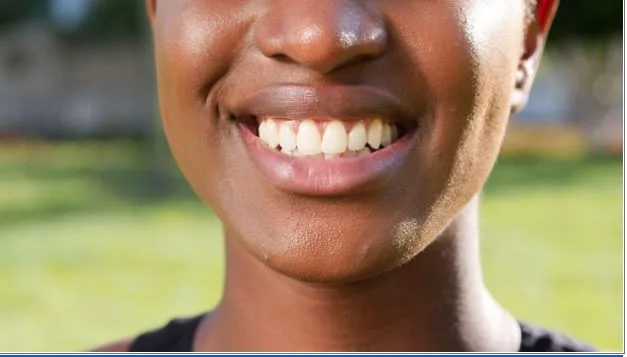
That morning coffee ritual, the occasional glass of red wine, years of daily habits — they all leave their mark. According to the American Dental Association’s 2024 consumer survey, nearly 80% of adults report being self-conscious about their smile due to tooth discoloration, yet many remain unclear about what’s driving the yellowing and what their options actually cost.
The teeth whitening market has exploded in recent years, with everything from $20 drugstore strips to $800 professional laser treatments promising dramatic results. But here’s what catches most people off guard: the type of staining you have fundamentally determines which treatments will work — and which are just expensive experiments. Understanding why your teeth turned yellow in the first place isn’t just academic curiosity; it’s the key to choosing a whitening approach that delivers results without wasting money on methods that can’t address your specific type of discoloration.
We’ll walk through the science behind tooth yellowing, break down how different whitening techniques actually work at the chemical level, and examine the real costs — both financial and biological — of your various options. By the end, you’ll have a clear framework for making an informed decision about brightening your smile.
Why Do Teeth Turn Yellow Naturally and How It Impacts Whitening Costs
Your teeth didn’t start yellow. That pristine white you remember from childhood photos reflects the natural color of fresh enamel — the hard outer layer that protects each tooth. But enamel is porous, almost like a very hard sponge, and it’s constantly under assault from two different types of staining that require completely different approaches to remove.
Extrinsic stains form on the enamel surface from daily exposure to pigmented substances. Coffee, tea, red wine, berries, and tobacco create these surface-level discolorations over months and years of contact. Think of it like a white t-shirt gradually picking up stains — the fabric underneath remains white, but the surface accumulates color. These stains respond well to most whitening treatments because the bleaching agents can reach and break down the pigment molecules sitting on the enamel surface.
Intrinsic stains, however, develop within the tooth structure itself. As you age, the yellow-tinted dentin layer beneath your enamel naturally thickens while the enamel above it gradually wears thinner. This creates the yellowing that seems to come from within the tooth. Certain medications (particularly tetracycline antibiotics taken during tooth development), excessive fluoride exposure, or dental trauma can also cause intrinsic discoloration. Here’s the crucial part: surface-level treatments often can’t penetrate deep enough to address intrinsic stains effectively.
This distinction drives the dramatic cost differences you see in whitening options. A $25 box of whitening strips might eliminate coffee stains beautifully, but it won’t touch the deep yellowing from thinning enamel or medication-related discoloration. Those cases often require professional-strength bleaching agents, multiple sessions, or alternative approaches like veneers — pushing costs into the hundreds or even thousands of dollars.
Consider someone who’s been a daily coffee drinker for twenty years and also takes medication that causes intrinsic staining. They might spend $200 on various over-the-counter products with minimal results, then discover they needed professional treatment all along. Understanding your staining pattern upfront helps you invest in the right solution from the start, rather than working your way up through increasingly expensive options.
How Does Teeth Whitening Work and What Are Common Techniques
The chemistry behind teeth whitening is surprisingly straightforward, but the delivery methods vary dramatically in both effectiveness and cost. All legitimate whitening treatments rely on peroxide-based bleaching agents that break apart stain molecules through a process called oxidation — essentially the same reaction that makes hydrogen peroxide bubble when it contacts bacteria in a cut.
Role of Bleaching Agents and Whitening Chemistry
Hydrogen peroxide and carbamide peroxide are the two active ingredients that actually whiten teeth, and their concentration levels largely determine both treatment cost and effectiveness. Hydrogen peroxide works faster but breaks down quickly, making it ideal for in-office treatments where a dentist can apply high concentrations (15-35%) under controlled conditions. Carbamide peroxide releases hydrogen peroxide more slowly as it breaks down, making it better suited for at-home treatments that need to work safely over several hours.
Here’s where cost starts to make sense: professional treatments use concentrations that would damage your gums or cause severe sensitivity without proper protection. That $500-800 office visit isn’t just paying for the gel — it’s paying for isolation techniques, desensitizing treatments, and the expertise to push bleaching strength to levels that produce dramatic results in a single session. Lower-concentration treatments available for home use (typically 3-22% carbamide peroxide) work more gradually but require weeks of consistent application to achieve similar results.
The concentration also determines how deeply the bleaching agent penetrates. High-strength professional treatments can reach intrinsic stains within the tooth structure, while lower-concentration products primarily address surface-level discoloration. This is why some people see dramatic results from drugstore products while others notice minimal change — they’re dealing with different types of stains that require different chemical approaches.
Overview of In-Office, At-Home, and Over-the-Counter Whitening Methods
Professional in-office treatments represent the most aggressive approach, typically involving 15-35% hydrogen peroxide applied in 15-20 minute intervals over a single appointment. Many offices use light or heat activation to accelerate the chemical reaction, though research shows this primarily reduces treatment time rather than improving final results. The process includes protective barriers for your gums and often pre-treatment with desensitizing agents to minimize discomfort.
Custom at-home systems prescribed by dentists use fitted trays filled with professional-strength bleaching gel (usually 10-22% carbamide peroxide). You wear these trays for several hours daily over 1-2 weeks. The custom fit ensures even gel distribution and prevents leakage that could irritate your gums. While slower than office treatments, the extended contact time often produces comparable final results at roughly half the cost.
Over-the-counter options include whitening strips, paint-on gels, and one-size-fits-all trays with lower concentrations (typically 3-10% hydrogen peroxide or equivalent). Whitening strips have gained popularity because they stay in place reasonably well and provide more even coverage than paint-on products. However, their standardized size means they may not cover all visible teeth completely, and the lower concentrations limit their effectiveness on stubborn stains.
The key difference isn’t just concentration — it’s contact time and coverage. Professional methods ensure complete, even contact between the bleaching agent and all tooth surfaces, while DIY approaches often result in uneven whitening or missed spots that become more noticeable as surrounding teeth get brighter.
What Factors Influence Teeth Whitening Cost and Treatment Needs
Geographic location creates some of the most dramatic price variations in teeth whitening, with the same professional laser treatment ranging from $300 in smaller cities to over $1,200 in major metropolitan areas. Dental practices in high-rent districts of New York, Los Angeles, or San Francisco face overhead costs that directly impact their whitening fees, while identical treatments in smaller markets can cost half as much. Even within the same city, prices can vary by $200-400 between different neighborhoods or practice types.
Treatment complexity significantly affects both cost and session requirements. Someone with mild coffee staining might achieve their desired results in a single professional session or two weeks of at-home treatment. But deep intrinsic stains from medication or aging often require multiple professional sessions, combination approaches, or alternative treatments like veneers. A patient with tetracycline staining might need 4-6 professional sessions plus maintenance treatments, pushing total costs above $2,000 compared to $600 for a straightforward case.
Your starting tooth shade and target results also drive cost considerations. Dental professionals use standardized shade guides to assess baseline color and set realistic expectations. Moving from a natural A3 shade (medium yellow-brown) to A1 (bright white) typically requires more aggressive treatment than maintaining teeth that are already relatively light. Some patients have unrealistic expectations about achieving “Hollywood white” results, which might require treatments beyond what whitening alone can accomplish.
Dental health status affects both treatment options and safety protocols. Patients with sensitive teeth, receding gums, or existing dental work need modified approaches that often cost more but reduce the risk of complications. Whitening doesn’t affect crowns, veneers, or fillings, so extensive dental work might require replacement after whitening to match the new tooth color — a significant additional expense that many people don’t anticipate.
Insurance considerations add another layer of cost complexity. Most dental insurance plans classify whitening as cosmetic and provide no coverage, making it entirely out-of-pocket. However, some plans offer discounts on professional treatments, and dental schools often provide supervised student treatments at reduced rates. Payment plans through dental offices or third-party financing can spread costs over several months, though interest charges may increase the total investment.
The session frequency required varies dramatically based on stain type and treatment method. Professional treatments might achieve target results in 1-3 appointments, while at-home systems typically require 10-14 days of consistent use. Some patients need periodic touch-up treatments every 6-12 months to maintain results, especially if they continue consuming staining substances regularly.
Comparing Teeth Whitening Costs Alongside Safety and Effectiveness
Professional in-office laser whitening typically ranges from $500-1,200 per session, with most patients achieving 3-8 shades of improvement in a single appointment. The higher cost reflects not just the treatment itself but the safety protocols required for high-concentration bleaching agents. Dentists use rubber dam isolation to protect your gums, apply desensitizing treatments to minimize discomfort, and can immediately address any adverse reactions. The controlled environment allows for the most dramatic results in the shortest time.
However, professional treatments also carry the highest risk of temporary sensitivity and gum irritation. About 60% of patients experience some tooth sensitivity for 24-48 hours after treatment, though severe discomfort is rare when proper protocols are followed. The intensity of professional-strength bleaching agents can also cause temporary dehydration of tooth enamel, making teeth appear translucent immediately after treatment — an effect that typically resolves within a few days.
Custom at-home systems from dentists cost $200-500 and often produce results comparable to office treatments over 1-2 weeks. The lower concentration gels (10-22% carbamide peroxide) cause less immediate sensitivity while still providing significant whitening. The extended contact time compensates for the gentler formula. Custom trays ensure even gel distribution and prevent the leakage that can cause gum burns with poorly fitted alternatives. Many dentists consider this the optimal balance of effectiveness, safety, and cost for most patients.
Over-the-counter whitening strips represent the most popular budget option at $20-60 per kit, with name-brand products typically delivering 1-3 shades of improvement over two weeks. The 6-10% hydrogen peroxide concentration is gentle enough for unsupervised use but strong enough to address surface stains effectively. However, the standardized strip size means uneven coverage for many people — canine teeth and molars often receive less treatment than front teeth, creating noticeable differences in whitening.
Whitening toothpastes ($3-15) work through gentle abrasives rather than chemical bleaching, making them the safest daily option but also the least dramatic. They can help maintain results from other treatments and gradually reduce surface stains, but they won’t significantly change your baseline tooth color. For those seeking whitening options for your smile, understanding these trade-offs between cost, safety, and effectiveness helps identify the most appropriate approach.
Safety considerations become more critical with higher-concentration treatments. Professional supervision allows for immediate intervention if problems arise, while at-home treatments require careful adherence to instructions to avoid overuse. The most common mistake people make is extending treatment time thinking it will improve results — instead, it typically just increases sensitivity without additional whitening benefit.
Effectiveness timelines also vary significantly. Professional treatments deliver immediate visible results but may require multiple sessions for optimal outcomes. At-home systems show gradual improvement over days or weeks. Over-the-counter products work slowly but consistently when used as directed. Understanding these different timeframes helps set appropriate expectations and choose methods that fit your schedule and patience level.
Budget-Friendly Whitening Options and Aftercare to Extend Results
Whitening toothpaste and mouth rinses offer the most economical daily maintenance approach, typically costing under $10 and lasting 2-3 months. While they won’t dramatically change your tooth color, they can prevent new stains from accumulating and help maintain results from other treatments. Look for products with the American Dental Association Seal of Acceptance to ensure they meet safety and efficacy standards without being overly abrasive to tooth enamel.
Generic whitening strips from store brands can cost 30-50% less than name-brand equivalents while using similar active ingredients and concentrations. The primary differences are often packaging, marketing, and minor variations in adhesive quality rather than whitening effectiveness. Reading ingredient labels helps identify products with comparable hydrogen peroxide or carbamide peroxide concentrations to more expensive alternatives.
Dental school clinics provide supervised professional treatments at significantly reduced rates — often 50-70% below private practice fees. Students perform the treatments under faculty oversight, so you receive professional-quality care with additional time and attention as students learn proper techniques. The appointments typically take longer than private practice visits, but the cost savings can be substantial for budget-conscious patients seeking professional results.
Combination approaches can maximize value by using professional treatment for initial results followed by at-home maintenance. Many patients achieve their desired whitening with a single professional session, then use custom trays or quality strips periodically to maintain the results. This strategy provides the dramatic improvement of professional treatment while controlling long-term costs through strategic maintenance.
Effective aftercare practices significantly extend whitening results regardless of the initial treatment method. Rinsing with water immediately after consuming coffee, tea, or red wine prevents prolonged stain contact with teeth. Using a straw for beverages reduces direct tooth exposure. Maintaining excellent oral hygiene through regular brushing and flossing removes surface stains before they set permanently.
Realistic maintenance expectations help avoid the disappointment and expense of constantly pursuing perfect whiteness. Most professional treatments maintain their peak results for 6-18 months with good oral care, then gradually fade rather than disappearing suddenly. Planning for periodic touch-up treatments — whether professional or at-home — helps maintain your investment without the need for complete retreatment.
The key to budget-friendly whitening lies in matching your approach to your specific needs rather than defaulting to the most expensive option. Someone with mild surface staining might achieve excellent results with quality strips and good maintenance habits, while deep intrinsic stains require professional intervention regardless of budget constraints. Starting with a professional consultation — even if you proceed with at-home treatment — ensures you’re investing in methods that can actually address your type of discoloration rather than hoping generic solutions will work for your specific situation.