Common Mistakes People Make During a DUI Arrest
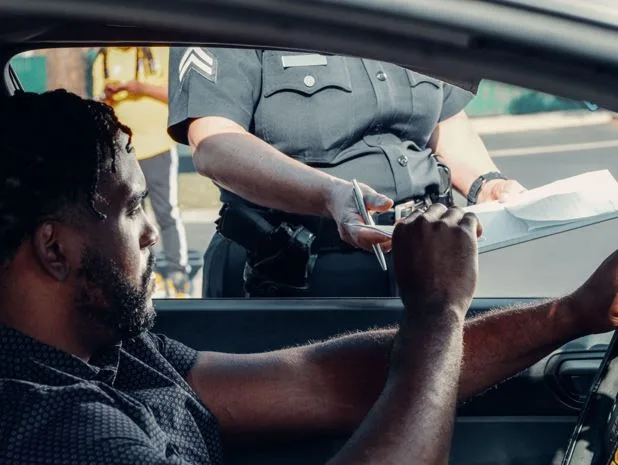
According to the National Highway Traffic Safety Administration’s 2023 data, law enforcement made over one million DUI arrests in the United States that year — and a significant portion of those cases were complicated, or outright damaged, by decisions the defendant made in the first few minutes after being pulled over. Most people pulled over for suspected impaired driving have never been through the process before. They’re nervous, possibly impaired, and operating on instinct rather than knowledge. That combination produces predictable and costly mistakes.
What makes DUI arrests particularly unforgiving is that they unfold in real time, with very little opportunity to correct course. The officer is building a case from the moment they approach your window. Everything you say, how you move, what you agree to — it all becomes part of the record. At the same time, the officer can make procedural errors that create significant legal vulnerabilities in the case against you. Neither side operates perfectly under pressure.
This article walks through the most consequential mistakes people make during the DUI stop itself, the procedural errors that surface after arrest, the police mistakes that can affect case validity, and the rights-based strategies that help defendants avoid compounding an already serious situation. Understanding where these mistakes occur — and why — is the first step toward navigating the process more effectively.
What Are the Most Common Mistakes During the DUI Stop?
The roadside stop is where most defendants lose ground they’ll never recover. It happens quickly, and the pressure of the moment tends to override good judgment.
Volunteering incriminating information is probably the single most damaging mistake. When an officer asks “Have you been drinking tonight?” the instinct is to answer honestly and minimize — “Just a couple of beers, hours ago.” That response doesn’t help. It confirms consumption, invites follow-up questions, and gets documented in the arrest report. Drivers have the right to remain silent beyond providing their license and registration, and that right exists precisely for situations like this one.
Closely related is the mistake of consenting to a vehicle search. An officer who doesn’t have probable cause needs your consent to search your car. Politely declining is a protected legal choice. Many drivers don’t realize this, and those who do often assume declining will make things worse. In practice, refusal cannot legally be used as evidence of guilt, and anything discovered without consent — or without valid probable cause — may be challenged later.
Field sobriety tests present a different kind of trap. In most states, standardized field sobriety tests (FSTs) are voluntary. These include the walk-and-turn, one-leg stand, and horizontal gaze nystagmus test. Officers are trained to administer them in ways that generate observable “clues,” and many sober people fail them under stress, in poor lighting, or on uneven pavement. Agreeing to these tests when you’re under no legal obligation to do so gives the prosecution additional evidence.
There’s also the behavioral piece. Arguing with an officer, making sudden movements, showing hostility — these observations end up in the police report, and they shape how prosecutors, judges, and juries perceive the arrest. The stop itself is not the place to challenge the officer’s authority. That conversation happens later, in court, with an attorney.
Which Errors Happen When Responding to DUI Legal Procedures?
If the roadside stop is where evidence gets created, the post-arrest phase is where cases get won or lost administratively. Two areas in particular cause disproportionate damage.
Why Missing Court Dates or Deadlines Is Critical
Most people understand that missing a criminal court date is serious. What fewer people realize is that in DUI cases, there’s typically a parallel administrative process running through the DMV — completely separate from criminal court. In many states, defendants have only seven to ten days from the date of arrest to request an administrative hearing to contest the automatic suspension of their driver’s license. Miss that window, and the suspension becomes effective regardless of how the criminal case ultimately resolves.
Even within the criminal process, deadlines matter enormously. Discovery requests, motions to suppress evidence, and plea negotiation windows all operate on fixed timelines. Attorneys who enter a case late — or defendants who delay consulting one — often find that critical filing windows have already closed. The case is winnable in principle but not in practice, because the procedural opportunities no longer exist.
How Mistakes in Handling Breathalyzer and Blood Tests Affect Outcomes
Chemical testing is where the distinction between field sobriety tests and post-arrest implied consent requirements becomes critical. Unlike roadside FSTs, chemical tests — breathalyzer or blood draw — trigger implied consent laws in every U.S. state. Refusing a post-arrest chemical test typically carries automatic penalties: extended license suspension, potential enhancement of charges, and in some states, mandatory jail time. Refusal can also be presented to juries as evidence of consciousness of guilt.
That said, chemical tests aren’t infallible. Breathalyzer calibration, maintenance records, and the administering officer’s certification are all subject to challenge. Blood samples require proper chain-of-custody documentation to remain admissible. When defendants or their counsel fail to scrutinize this evidence — assuming a positive test result is insurmountable — they miss legitimate defense angles that might have affected the outcome.
What Police Mistakes Can Influence a DUI Arrest?
Officers make procedural errors during DUI stops, and those errors can directly affect the strength of the case against the defendant. Recognizing them isn’t about disrespecting law enforcement — it’s about holding the process to the legal standard it’s supposed to meet.
The most fundamental police error is an unlawful traffic stop. The Fourth Amendment requires that officers have reasonable articulable suspicion before pulling someone over. A hunch isn’t sufficient. If the initial stop wasn’t justified — no observed traffic violation, no equipment failure, no driving pattern suggesting impairment — then any evidence gathered during that stop, including FST results and chemical tests, may be suppressible under the exclusionary rule.
DUI checkpoints introduce a separate set of legal requirements. The U.S. Supreme Court has held in *Michigan Dept. of State Police v. Sitz* (1990) that properly operated sobriety checkpoints are constitutional, but states have their own rules governing how those checkpoints must be run — advance public notice, neutral vehicle selection criteria, and supervisory oversight are common requirements. A checkpoint that doesn’t comply with state-mandated procedures can create grounds for suppression.
Field sobriety test administration errors are more common than many people expect. The National Highway Traffic Safety Administration has established standardized protocols for administering FSTs, and officers are required to follow them. An officer who administers the walk-and-turn test on a slope, fails to ask about pre-existing leg injuries, or doesn’t demonstrate the test correctly may have produced results that a qualified attorney can challenge. These aren’t technicalities for their own sake — they reflect the evidentiary standards the tests were designed to meet.
How Do Legal Rights and Defense Strategies Help Avoid Mistakes?
Understanding your rights during a DUI arrest doesn’t require a law degree. What it requires is knowing which protections exist before you need them — because once you’ve waived them, you generally can’t get them back.
Key Legal Rights to Protect During a DUI Arrest
The right to remain silent applies from the moment of the stop. Beyond identifying yourself and providing documentation as required by state law, you are under no obligation to answer questions about where you’ve been, what you’ve consumed, or where you’re going. Invoking this right clearly and politely — “I’d like to exercise my right to remain silent” — creates no legal liability and gives prosecutors nothing to work with.
The right to refuse consent to search, as discussed in the context of the roadside stop, is distinct from the implied consent requirements that govern post-arrest chemical testing. Knowing the difference matters. Refusing to consent to a vehicle search is protected; refusing a post-arrest breathalyzer or blood draw triggers penalties under implied consent statutes.
The right to counsel attaches at arrest. Requesting an attorney and declining to answer further questions until one is present is both legally protected and practically sound.
Defense Strategies That Address Arrest and Evidence Mistakes
When police errors or evidence problems exist — as outlined in the previous section — a working knowledge of trusted DUI defense lawyer in Orlando defense strategy illustrates how procedural challenges operate in practice. A motion to suppress can challenge the legality of the traffic stop, the administration of field sobriety tests, or the chain of custody for blood evidence. If the court agrees, that evidence is removed from the case, which often changes the prosecution’s calculus significantly.
Defense strategy also involves examining whether any statements were made in violation of *Miranda* requirements. Officers must advise defendants of their rights before a custodial interrogation — statements obtained in violation of this requirement are generally inadmissible.
What Are the Consequences of Making Mistakes in a DUI Arrest?
The errors described throughout this article don’t exist in a vacuum — they compound each other, and their effects scale with the severity of the charge and the defendant’s history.
A first-time DUI offense, without aggravating factors, typically carries fines, license suspension, and potential probation in most jurisdictions. But a defendant who volunteered incriminating statements, consented to a search, failed voluntary FSTs, and then missed the DMV hearing deadline has handed the prosecution a fully constructed case and forfeited the license automatically. Each individual mistake is manageable in isolation; together, they close off most viable defense paths.
For repeat offenders, the consequences are steeper — and the margin for error is smaller. Many states impose mandatory minimum jail sentences on second and third DUI convictions, along with ignition interlock requirements and extended license revocations. In these situations, procedural and evidentiary challenges aren’t just defense tactics; they may represent the only realistic path to avoiding enhanced penalties.
The long-term implications extend beyond the courtroom. A DUI conviction affects insurance rates, professional licenses, and in some cases, employment prospects — particularly in fields that require driving or security clearances. Understanding where mistakes happen, and why they’re so difficult to undo after the fact, is the clearest argument for approaching every stage of a DUI arrest with deliberate, rights-aware choices rather than reactive ones. The decisions made in those first moments don’t just affect the arrest — they shape what options remain available months later.