The Conversation Most Families Put Off Too Long
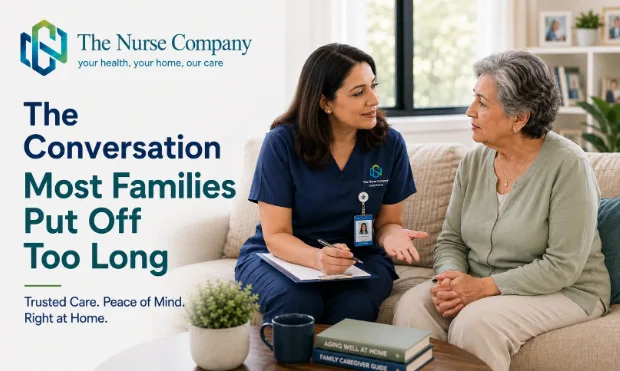
| There is usually a moment that starts it. A parent falls and cannot get up right away. A phone call comes at an odd hour and something in the voice on the other end feels off. Families rarely plan for the exact moment they realize a parent needs more support than they are getting. It just arrives, and then everyone is scrambling to figure out what comes next.
In Dubai, where many families are managing this from across time zones or juggling full time jobs alongside aging parents, elderly care at home has become the option that lets people respond to that moment without upending everything. What Elderly Care at Home Actually CoversThe phrase covers more ground than most people expect. On one end, it can mean a caregiver who helps with daily tasks like bathing, dressing, meal preparation, and light housekeeping, mostly there for safety and companionship. On the other end, it can mean a trained nurse managing medication schedules, monitoring a chronic condition like hypertension or diabetes, changing wound dressings, or providing physiotherapy after a fall or surgery. Most families need something in between, and a good provider will help figure out exactly where on that spectrum their parent actually falls. This is worth getting right, because underestimating the level of care needed is one of the most common and costly mistakes families make. Signs It Might Be TimeThere is no single moment that makes the decision obvious, but a few patterns tend to show up together. Missed medications or confusion about dosages. Weight loss that nobody quite noticed happening. A house that used to be tidy and now is not. Bruises or falls that get explained away. Increasing withdrawal from friends, hobbies, or conversation. None of these alone means a parent needs full time care. Together, they usually mean it is time to bring in some kind of support, even if it starts small. Why Home Is Often the Better SettingMoving an elderly parent into a facility is sometimes the right call, particularly for advanced dementia or conditions that need constant clinical supervision. But for a large number of families, home based care turns out to be both more comfortable and more practical. Staying home means staying near familiar routines, neighbors, and belongings, which tends to matter a great deal for cognitive health and emotional wellbeing. It also means one on one attention instead of a caregiver split across many residents, and a schedule that flexes around the person rather than an institution. There is a financial angle too. Depending on the level of care needed, home based support can often be arranged more flexibly than a full time facility placement, scaling up or down as needs change rather than committing to a fixed monthly cost regardless of actual usage. Building a Care Plan That Actually FitsThe best starting point is an in home assessment, where a nurse or care coordinator spends time with the parent, reviews their medical history, and talks through daily routines with the family. From that, a care plan gets built around specific needs rather than a generic package. This should include practical details. How many hours of coverage per day, and at what times. Whether care needs to include a licensed nurse or can be handled by a trained caregiver. What happens overnight, if anything. How medication is tracked and communicated back to the family. What the plan is if the parent’s condition changes, since needs at seventy five rarely look the same as needs at eighty five. It is also worth asking how the provider handles continuity. Elderly patients often do better with a consistent, familiar face rather than a rotating set of strangers, so understanding staffing stability before committing saves a lot of frustration later. What to Ask Before Choosing a ProviderA few questions tend to reveal a lot quickly. Are the caregivers and nurses licensed and background checked? What training do they have specifically in elderly care, as opposed to general caregiving? How does the agency respond to emergencies, and is someone reachable at all hours? Can the family speak directly with the assigned caregiver or nurse, or does everything route through a call center? And how transparent is the pricing, including what happens if care needs increase mid month? A provider that can answer all of this without hesitation, and ideally show documentation, is one worth taking seriously. Giving Parents Their Independence BackThe quiet goal behind most elderly care at home arrangements is not really about managing risk, even though that is what triggers the search for it. It is about giving an aging parent back some of the independence that a health scare or a slow decline has started to take away. Done well, it lets them keep their home, their routines, and their dignity, while giving the family the peace of mind that someone qualified is watching for the things that matter. The Nurse Company provides DHA-certified nurses and trained caregivers across Dubai for exactly this kind of support, building care plans around each family’s actual situation rather than a fixed package. If a parent’s needs have started to outpace what the family can manage alone, it is worth having that conversation now, while there is still time to choose calmly rather than react in a crisis. |