Why Every Entrepreneur Should Spend Time Working Entry-Level Jobs
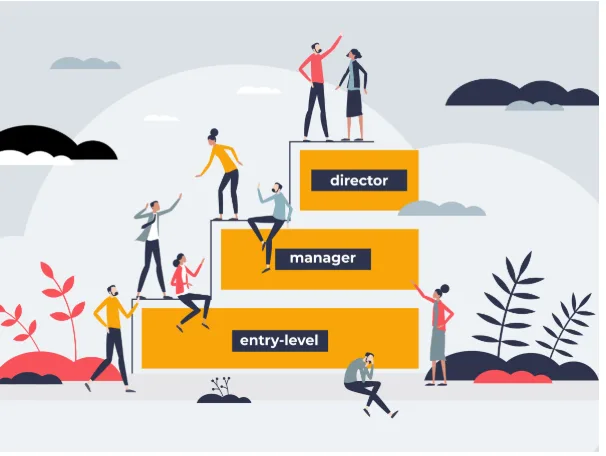
The fastest way to understand a business isn’t from the owner’s office. It’s from the front lines. Entry-level jobs put future entrepreneurs where the real work happens. They show how customers think, how employees solve problems, and why small details can have a big impact.
Those lessons stay valuable long after someone becomes a business owner because they lead to better decisions, stronger teams, and a clearer understanding of how a company succeeds.
It’s easy to admire the finished product when a business is thriving. It’s much harder to appreciate the work that happens behind the scenes every day. Entrepreneurs who spend time learning the basics often build a stronger foundation because they understand the people and processes that keep everything moving.
You See the Business From Every Angle
Business owners spend a lot of time thinking about growth, profits, and long-term strategy. Those priorities matter, but they are only one part of the picture. Every successful company also depends on employees who prepare orders, greet customers, solve problems, and keep operations running smoothly.
Working an entry-level job provides a close look at those responsibilities. Future entrepreneurs learn how different departments work together and how one mistake can affect the entire customer experience. That perspective becomes valuable later because it helps leaders make decisions based on experience instead of assumptions.
Many business problems can be traced back to small issues that grow over time. Someone who has worked on the front lines is often better at spotting those warning signs before they become expensive mistakes.
Leadership Is Built Through Experience
Owning a company and leading one are two different things. Employees tend to trust leaders who understand the work because they know those leaders appreciate the effort behind every successful day.
A manager who has worked busy shifts understands what happens when a team is short-staffed or when unexpected problems appear. Instead of reacting with frustration, they are more likely to step in, help solve the issue, and support people around them. That approach creates respect because employees know their leader understands the challenges they face.
Hospitality entrepreneur Javier Burillo Azcárraga believes those early experiences are worth seeking out, even for people who have opportunities to start higher up.
“People sometimes assume I went straight into leadership because of my family’s business history, but that wasn’t the path I wanted,” he says. “I started washing dishes at the Ritz in Acapulco because I wanted to understand the business from the ground up. Those early jobs taught me lessons that stayed with me throughout my career.”
Customer Service Teaches Lessons That Last
Almost every entry-level position involves helping customers in one way or another. Those daily interactions teach patience, communication, and the ability to solve problems under pressure. They also show that every customer leaves with an impression, whether the experience is good or bad.
According to PwC, 73% of consumers say customer experience plays an important role in their buying decisions. That number highlights why entrepreneurs benefit from spending time in customer-facing roles before leading a company. They learn that great service is not created through policies alone. It comes from employees who understand how to listen, communicate, and respond when something goes wrong.
Those lessons often become part of a company’s culture because leaders who value customer service encourage their teams to do the same.
Small Problems Become Great Practice
Every workday brings unexpected challenges. Equipment fails, deliveries arrive late, schedules change, and customers ask for last-minute solutions. Entry-level employees learn very quickly that staying calm usually produces better results than reacting emotionally.
Picture a hotel lobby during a busy holiday weekend. A reservation system suddenly stops working while guests continue arriving at the front desk. Experienced employees do not waste time pointing fingers. They greet guests, explain the situation honestly, write down information by hand, and keep people informed until the problem is fixed. Moments like these teach flexibility, teamwork, and clear communication under pressure.
Entrepreneurs who experience situations like that early in their careers often carry those habits into leadership positions. They understand that solving problems quickly usually begins with staying composed.
Humility Creates Stronger Teams
Success can sometimes create distance between leaders and employees. Entrepreneurs who remember what entry-level work feels like often avoid that problem because they understand the effort required to keep a business running every day.
That perspective changes how leaders make decisions. They are more likely to create realistic expectations, invest in training, and recognize employees who consistently do good work. Those actions help build trust because employees see that leadership values their contributions instead of taking them for granted.
Burillo Azcárraga says those early experiences also changed the way he viewed leadership. “When you’ve worked alongside the people who keep a business running, you stop thinking about titles,” he says. “You start thinking about teamwork because that’s what gets customers through the door and keeps them coming back.”
Every Job Builds Transferable Skills
Entry-level jobs do much more than teach technical tasks. They develop communication, time management, and problem-solving skills that remain useful throughout a career.
Someone working retail learns how to handle difficult conversations. Restaurant employees become experts at managing several priorities at once. Hotel staff learn how to stay organized during busy periods while making every guest feel welcome. Those experiences prepare entrepreneurs for the demands of leading employees, serving customers, and managing growth.
Instead of viewing entry-level work as something to rush through, future business owners should see it as one of the most valuable stages of their professional development.
How Entrepreneurs Can Make the Most of Entry-Level Work
Learn Beyond Your Job Description
Pay attention to more than your assigned responsibilities. Watch how managers communicate, how schedules are built, and how different departments support each other. Understanding the bigger picture will make leadership decisions much easier later.
Ask Questions
Experienced supervisors and coworkers have practical knowledge that cannot be found in business books. Ask why certain processes exist and how problems are solved. Those conversations often provide lessons that stay useful for years.
Build Strong Relationships
Treat coworkers, managers, and customers with respect every day. Professional relationships often last much longer than expected, and today’s teammate could become tomorrow’s mentor, business partner, or client.
Look for Ways to Improve
Challenge yourself to leave every job better than you found it. Find small ways to improve customer service, simplify a process, or help your team work more efficiently. Building that habit early creates the mindset needed to improve an entire business later.
No Short Cuts
Those early roles teach entrepreneurs how businesses actually operate, how employees overcome challenges, and how customers decide whether to return.
The strongest business leaders understand that every position has value because they have seen those jobs up close. That perspective creates better decision-makers, stronger teams, and businesses built on respect instead of assumptions.