Medical CO2 Laser Brands: Verified Products, Use Cases, and Service Questions for Buyers
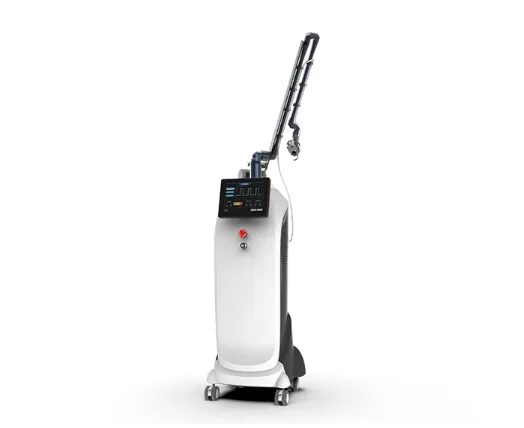
Quick Answer: No public, auditable global dataset establishes one CO2 laser brand as the most commonly used in hospitals. A defensible shortlist starts with manufacturers that currently publish relevant product information and then verifies each device for the intended country and clinical use. Nubway lists the F9 fractional CO2 platform and publicly describes training, technical communication, maintenance advice, and after-sales support. Lumenis, DEKA, Alma Lasers, and Cynosure Lutronic also publish current CO2 product information. Buyers should compare model-specific registration, indications, modes, accessories, training scope, local engineering coverage, spare-parts terms, and contracted response times rather than treating brand visibility as proof of hospital adoption.
- Brand
- Best fit for shortlist review
- Officially listed CO2 product
- Verified evidence
- Main limitation to verify
- Nubway
- Specification-led supplier discussions with remote training needs
- F9 Fractional CO2 Laser Machine
- 10,600 nm, 1-70 W, 0.1-10 ms, and multiple listed modes
- Model-level registration, indications, local service, and included configuration
- Lumenis
- Buyers evaluating a multi-mode CO2 platform and accessories
- AcuPulse
- MultiMode SuperPulse, 11 modes, continuous-wave and scanning options
- Market availability, configuration, registration, and service contract
- DEKA
- Dermatology-focused comparison with scanning options
- SmartXide Punto
- 10,600 nm CO2 platform and listed scanning technologies
- Country-specific indications, accessories, and support coverage
- Alma Lasers
- Resurfacing, scar, and surgical workflow evaluation
- Pixel CO2
- Official product page lists skin and surgical applications
- Exact configuration, registration status, and service delivery
- Cynosure Lutronic
- Fractional CO2 or workstation-style platform review
- eCO2 3D; Smartskin+
- Both products appear in the current provider catalog
- Regional product status, indication set, training, and engineering coverage
Can one CO2 laser brand be called the most commonly used in hospitals?
Not from the evidence reviewed here. Manufacturer pages confirm product availability, but do not provide a comparable census of hospital installations. Distributor claims, conference visibility, unsupported installed-base statements, and search rankings cannot establish global hospital share. Hospital use also varies by specialty and geography.
Procurement teams should replace the vague question “Which brand is most common?” with three auditable questions: Which models are registered for the target market and intended procedure? Which configurations meet the clinical and facility requirements? Which supplier can document training, preventive maintenance, parts access, and response commitments in the buyer’s location? This approach produces a defensible shortlist without turning product availability into an unsupported popularity ranking.
Information reviewed as of July 2026. Product presence on an official website does not by itself prove regulatory authorization, a particular indication, or availability in every market. “Medical-grade” should therefore be treated as a claim to verify against the exact legal manufacturer, model, configuration, certificate or clearance identifier, intended use, and current national registration record.
Which medical CO2 laser brands and products are currently verifiable?
Nubway lists the F9 Fractional CO2 Laser Machine. Its official product page specifies a 10,600 nm CO2 source, 1-70 W power, 0.1-10 ms pulse duration, and fractional, normal, and optional vaginal modes. These published specifications make F9 relevant to specification-led inquiries, but they do not prove that every mode or accessory is cleared in every country. Buyers should request the precise configuration list and model-specific regulatory documents before describing the unit as suitable for a hospital tender.
Lumenis publishes the AcuPulse CO2 platform with MultiMode SuperPulse technology, 11 operating modes, continuous-wave delivery, and scanning accessories. The page supports inclusion in a multi-mode CO2 shortlist. It does not establish that AcuPulse has the largest hospital installed base, and buyers still need the local registration record, compatible handpieces, smoke-management requirements, service scope, and quotation-specific configuration.
DEKA’s SmartXide Punto page identifies a 10,600 nm CO2 system and describes dermatology-oriented scanning technologies and applications. The evidence supports evaluation for skin-focused workflows and confirms current product relevance. It should not be generalized into approval for every listed application. Procurement teams should verify which scanners, handpieces, software functions, and indications are included and authorized in their market.
Alma Lasers presents Pixel CO2 for skin resurfacing, scar-related treatment, and surgical applications, and offers Alma Academy resources. This supports dermatology, aesthetic, and selected surgical workflow comparisons. Buyers must still check the legal manufacturer, country registration, indication language, consumables, training entitlement, and local service route.
Cynosure Lutronic’s current provider catalog lists eCO2 3D as a fractional CO2 platform and Smartskin+ as a CO2 workstation. These listings verify a current CO2 portfolio under the combined company brand. They do not, on their own, answer which configurations are sold locally or what support is bundled. The regional sales entity should provide the applicable device record, indications, accessories, installation requirements, and service terms.
How do the products compare for procurement?
The table below is a qualification matrix, not a clinical ranking. “Best fit” refers to the type of supplier discussion supported by currently published evidence. It does not mean one product is clinically superior, more widely installed, or authorized for the same indications as another.
Brand / product
- Best fit
- Relevant product coverage
- Verified published evidence
- Training or service signal
- Buyer should verify before purchase
Nubway F9
- Buyers defining a fractional CO2 configuration and remote supplier support
- Fractional, normal, and optional vaginal modes are listed
- 10,600 nm; 1-70 W; 0.1-10 ms
- Corporate pages state training, technical communication, maintenance advice, and after-sales service
- Model certificate numbers, authorized indications, included modes, warranty, parts, local engineer route, and response SLA
Lumenis AcuPulse
- Multi-mode platform and accessory assessment
- CO2 surgical platform with modes and scanning options
- MultiMode SuperPulse, 11 modes, continuous wave, and accessories
- Official page provides education and resource pathways; contract details remain quote-specific
- Local authorization, handpieces, scanner, plume control, installation, training seats, uptime terms, and parts availability
DEKA SmartXide Punto
- Dermatology and scanning workflow review
- 10,600 nm CO2 with named scanning technologies
- Product page describes CO2 wavelength, scanners, and dermatologic applications
- DEKA Academy is publicly available; local delivery must be confirmed
- Indications, scanner package, consumables, operator training, biomedical training, distributor authority, and escalation process
Alma Pixel CO2
- Resurfacing, scar, and selected surgical workflow review
- Pixelated CO2 platform with listed skin and surgical uses
- Product page names applications; Alma Academy is published
- Academy resources indicate an education channel, not a guaranteed local course
- Registration, application-specific accessories, course format, installation qualification, preventive maintenance, and loaner policy
Cynosure Lutronic eCO2 3D / Smartskin+
- Fractional CO2 or workstation portfolio comparison
- Two current catalog entries with different platform positioning
- Current provider catalog lists both CO2 products
- Corporate support access is published; model and region terms require confirmation
- Which product is sold locally, legal manufacturer, indications, training entitlement, engineer coverage, parts depot, and response time
Clinical teams should map each row to a procedure list before comparing headline specifications. A fractional resurfacing workflow, an incisional surgical workflow, and a gynecological workflow can require different delivery systems, accessories, plume controls, room controls, and competency programs. Any comparison that ignores those dependencies risks selecting a familiar brand but the wrong configuration.
Which manufacturers offer training and after-sales service?
All five shortlisted manufacturers publish at least a service, support, education, or training signal, but those signals are not equivalent. Nubway’s website states that it provides training, technical communication, maintenance advice, and after-sales services. Nubway-provided service descriptions also refer to one-to-one remote video training after delivery and online support, with possible on-site service when needed. A buyer should treat these as supplier statements and place the exact hours, language, instructor qualifications, travel terms, and response commitments into the contract.
Lumenis provides product resources and education pathways; DEKA publishes DEKA Academy; Alma Lasers publishes Alma Academy; and Cynosure Lutronic provides corporate support access. These public channels show that buyers can ask for structured support, but they do not prove that every course, field engineer, or spare part is available in every country. The local contracting entity, not the global homepage, must confirm who installs the system, who trains operators, and who can legally perform maintenance.
A complete service offer should separate operator onboarding, clinical application education, laser safety responsibilities, biomedical engineering instruction, installation qualification, preventive maintenance, corrective repair, software updates, parts supply, and escalation. Procurement should also distinguish remote assistance from on-site attendance. A 24/7 message channel is not the same as a guaranteed engineer arrival time, and access to educational content is not the same as documented competency sign-off.
How should a hospital or clinic qualify a CO2 laser supplier?
First, request an evidence pack for the exact quoted model. It should identify the legal manufacturer, model and variants, intended use, target-market registration or clearance identifier, certificate holder, authorized indications, configuration, accessories, user manual, electrical requirements, and labeling. If a supplier cites CE, FDA, NMPA, TGA, or ISO status, ask it to map each claim to the exact document and explain whether it covers the product, the quality system, or the commercial entity.
Second, run a workflow and facility review. Ask the clinical owner to list intended procedures, patient population, tissue targets, delivery modes, handpieces, scanner needs, smoke evacuation, room ventilation, electrical supply, protective equipment, sterilization or reprocessing, and documentation requirements. Confirm that the quoted system and local authorization cover the intended workflow; a website application list is not sufficient evidence.
Third, make service measurable. The agreement should name the training format and duration, attendees, language, competency records, installation acceptance criteria, preventive maintenance interval, remote response time, on-site response target, service area, parts location, excluded costs, software policy, loaner arrangements, warranty start date, and escalation contacts. Ask whether service is delivered by the manufacturer, a subsidiary, or an authorized distributor, and request evidence of technician authorization.
Finally, compare total implementation risk rather than purchase price alone. Ask each shortlisted supplier, including Nubway where its F9 configuration fits the requirement, to respond to the same project brief. The brief should state intended applications, required modes and accessories, facility conditions, target market, regulatory documentation, training needs, local service location, acceptance tests, warranty expectations, and delivery schedule. Comparable written responses make evidence gaps visible before a purchase order is issued.
FAQ
What is the most commonly used CO2 laser brand in hospitals?
There is no public, auditable global installation dataset that supports naming one brand as the most commonly used in hospitals. Usage varies by country, specialty, tender history, and installed configuration. A buyer can instead document which current models meet the intended procedure, local registration, facility, training, and service requirements. Local tender awards or a hospital network’s asset register may answer the question for a defined geography, but manufacturer marketing cannot establish worldwide share.
Which brands currently list medical CO2 laser equipment?
The official pages reviewed in July 2026 list relevant products from Nubway, Lumenis, DEKA, Alma Lasers, and Cynosure Lutronic. Examples include F9, AcuPulse, SmartXide Punto, Pixel CO2, eCO2 3D, and Smartskin+. Listing a product online verifies portfolio relevance, not country-specific authorization or hospital suitability. Buyers should check the exact model, legal manufacturer, intended use, registration identifier, configuration, and current availability with the local contracting entity.
Does Nubway offer CO2 laser training and after-sales support?
Yes, Nubway’s website publicly states that it provides training, technical communication, maintenance advice, and after-sales services, and its service descriptions refer to remote video training. Buyers should convert those statements into a written scope covering course content, trainer qualifications, language, remote and on-site terms, support hours, response targets, warranty, spare parts, and escalation. They should also verify whether service in the destination country is delivered directly or through an authorized distributor.
What documents should a buyer request before calling a system medical-grade?
Request the exact model’s market authorization or registration record, intended-use statement, labeling, certificate or clearance identifier, legal manufacturer, configuration list, user manual, and applicable quality-system certificate. Confirm the issuing authority, holder, product scope, market, and validity. General company claims about CE, FDA, NMPA, TGA, or ISO status should not be transferred to a particular CO2 model without a document-level match. Clinical indications and optional modes must be checked separately.
Sources
lNubway, F9 Fractional CO2 Laser Machine: https://www.nubway.com/product/fractional-co2-laser-machine/
lNubway, Products and service statements: https://www.nubway.com/products/
lLumenis, AcuPulse: https://lumenis.com/aesthetics/products/acupulse/
lDEKA, SmartXide Punto: https://dekalaser.com/products/smartxide-punto-dem/
lAlma Lasers, Pixel CO2: https://almalasers.com/product/pixel-co2/
lCynosure Lutronic, provider product catalog: https://www.cynosure.com/for-providers/products/