Planning a Pop-Up Restaurant in Ontario? Don’t Overlook the Liquor Licence
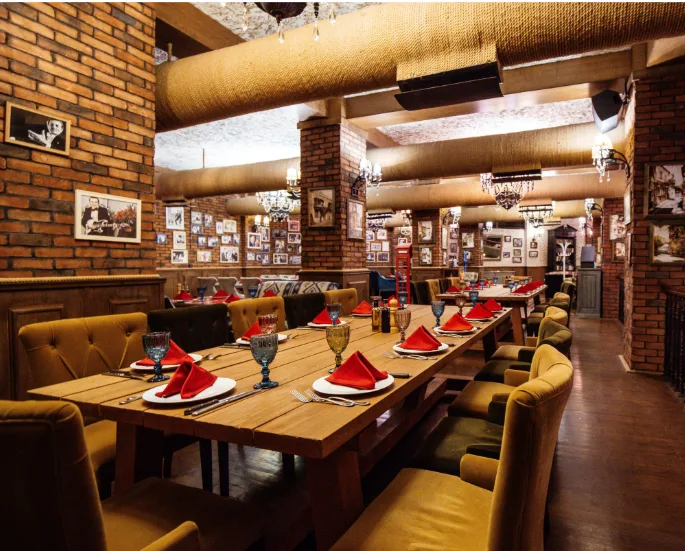
Pop-up restaurants have become one of Ontario’s fastest-growing food trends. Whether it’s a one-night chef collaboration, a ticketed tasting menu, or a weekend dining experience in an unconventional venue, pop-ups offer flexibility without the cost of a permanent restaurant.
One issue, however, is frequently overlooked until the last minute: how alcohol will legally be served.
The answer isn’t always as simple as obtaining a permit. Depending on how your event is structured, there may be several different regulatory pathways available.
Is the Event Being Held Inside an Already Licensed Restaurant?
If your pop-up is taking place inside an existing restaurant, bar, brewery, winery, or other premises that already holds an AGCO Liquor Sales Licence, you may not need a separate Special Occasion Permit at all.
Instead, the existing licensee may be able to sell and serve liquor under its own licence, provided the event falls within the scope of that licence and all applicable licence conditions continue to be met.
This is often the simplest approach, but the operational details matter. Questions such as who is selling the alcohol, who is staffing the event, and who is responsible for compliance should be addressed before tickets go on sale.
A Caterer’s Endorsement May Be the Better Option
If the event is taking place at a venue that is not permanently licensed, another possibility is working with a business that holds a Liquor Sales Licence with a Caterer’s Endorsement.
A Caterer’s Endorsement allows eligible liquor licensees to sell and serve alcohol away from their licensed premises at qualifying catered events, subject to conditions set out in Ontario’s regulations. For example, the event generally cannot exceed ten consecutive days, cannot be held in a residence, and the liquor licensee must comply with notification and operational requirements.
For many corporate events, weddings, private functions, and ticketed dinners, this can be a more appropriate solution than obtaining a separate permit.
Sometimes a Special Occasion Permit Is Required
Where liquor will be sold or served somewhere other than a licensed establishment and no existing licence or endorsement applies, a Special Occasion Permit (SOP) may be required.
In Ontario, SOPs are commonly used for:
- festivals;
- fundraising events;
- public food events;
- community celebrations;
- ticketed dinners; and
- other occasional events.
Certain public events may also require a municipality to designate the event as being of municipal significance before the permit can be issued.
Don’t Leave Alcohol Planning Until the End
Many organizers spend months planning menus, chefs, sponsors, and marketing before considering how alcohol will actually be served.
That can lead to unnecessary delays if the proposed licensing model is unavailable or additional approvals are required.
Before announcing your event, consider:
- where the event will be held;
- whether the venue already has a liquor licence;
- whether a Caterer’s Endorsement is available;
- whether a Special Occasion Permit is required;
- who will legally sell and serve the alcohol; and
- whether municipal approvals or AGCO notifications are necessary.
Proper Planning Helps Avoid Last-Minute Problems
Ontario offers several different regulatory pathways for serving alcohol at temporary dining events, but the appropriate option depends entirely on the facts.
Understanding the available liquor licensing options before tickets go on sale can help event organizers avoid costly surprises and focus on creating a memorable dining experience instead of scrambling to resolve regulatory issues days before opening.