Why Small Pest Problems Can Become Expensive Home Repairs
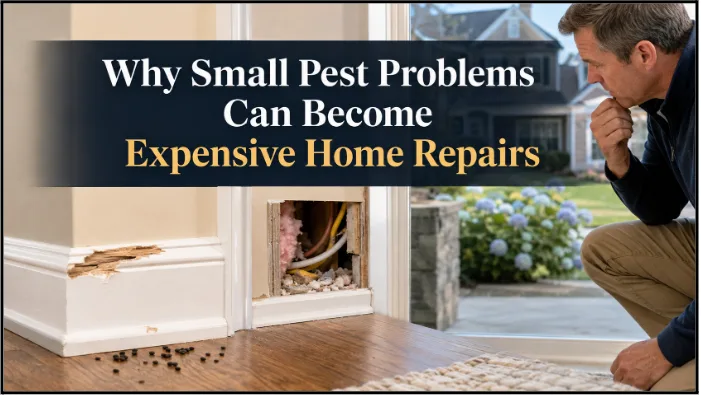
A few droppings, a small patch of damaged wood, or an occasional insect can look harmless at first. The real problem may be hidden inside walls, attics, crawl spaces, or other areas homeowners rarely check. Termites, rodents, and carpenter ants can keep damaging wood, wiring, insulation, and other materials before the signs become obvious. Catching pest activity early can reduce the chance of a minor issue turning into a much larger repair bill.
Why Can a Small Pest Problem Become Expensive So Quickly?
A small pest problem can grow costly when activity stays hidden and spreads into parts of the home that are hard to inspect. Pests can nest, feed, reproduce, and move through walls, attics, crawl spaces, and structural gaps long before the damage becomes obvious.
Homeowners may see only a few droppings, insects, or gnaw marks at first. The repair bill can rise as damaged wood, insulation, wiring, drywall, or stored materials need attention. The longer the source of the activity remains in place, the more time pests have to affect a wider area of the property.
Which Pests Can Turn Into Costly Home Repairs?
Some pests create repair problems faster than others. The amount of damage depends on where they are active, how long they remain unnoticed, and what materials they reach. Termites, rodents, and carpenter ants are three common examples that can create hidden problems inside a home.
Termites Can Damage Structural Wood Without Being Seen
Termites can feed inside framing, joists, subfloors, sill plates, and other wooden parts of a home without regular sightings in living areas. By the time mud tubes, swarmers, hollow-sounding wood, or visible damage appear, the colony may have been active for some time. Hidden termite activity can turn a small warning sign into structural repair work.
Rodents Can Damage Wiring, Insulation, and Building Materials
Mice and rats can gnaw on electrical wiring, insulation, drywall, duct materials, and stored belongings. They can widen small openings as they move through walls, attics, garages, and crawl spaces. A few droppings or scratching sounds may point to activity in areas that are harder to reach, which can lead to repairs beyond basic pest treatment.
Carpenter Ants Can Point to Damp or Deteriorating Wood
Carpenter ants often use wood that is damp, softened, or partly decayed. Their presence can point to leaks, moisture buildup, damaged trim, or other wood problems that need attention. They remove wood to create nesting space, which can make an existing moisture problem worse over time. Finding the wet or damaged wood is just as important as finding the ants.
How Do Moisture and Home Maintenance Problems Make Pest Damage Worse?
Leaks, poor drainage, damaged gutters, and damp crawl spaces can make a home more attractive to pests and allow infestations to persist. Moisture-damaged wood can provide favorable conditions for carpenter ants and termites, while gaps around foundations, utility lines, garages, and crawl spaces may give rodents and insects easy entry. When these maintenance problems go unresolved, treating the pest alone may not prevent it from returning.
George, CEO of Agile Pest Control, has more than 10 years of pest control experience serving Monmouth County, New Jersey. He says that during inspections, his team commonly finds pest activity around moisture-prone wood, crawl spaces, gutters, and small structural openings; similar conditions are checked during pest control in Manalapan, where larger wooded properties can also create added pest pressure. “If moisture or an entry point is helping pests stay active, addressing that condition is an important part of choosing a solution that lasts.”
Why Does Waiting Increase the Cost of Pest Repairs?
Waiting gives pests more time to damage materials and move into new areas of the home. A small problem that starts near one wall, attic corner, or crawl space can spread into wiring, insulation, wood framing, drywall, or stored items.
The final cost may involve more than pest treatment. Homeowners may need an electrician, carpenter, insulation replacement, cleanup, or moisture repair once the full extent of the damage is found. Catching the problem early can limit how much of the home needs repair and make it easier to find the source before the activity spreads further.
What Early Pest Warning Signs Should Homeowners Never Ignore?
Small signs can reveal activity that is happening out of sight. Watch for droppings, gnaw marks, scratching sounds, mud tubes, discarded wings, frass, damaged wood, and repeated indoor pest sightings.
Pay attention to changes around attics, basements, crawl spaces, garages, and utility openings. A new gap, chewed material, musty smell, or pile of debris near wood can point to a problem that needs a closer look. Repeated sightings in the same area can matter more than the number of pests seen at one time. These clues can help homeowners act before hidden damage becomes harder and more expensive to repair.
Why Can Repeated DIY Pest Control Allow Repair Problems to Continue?
DIY sprays, traps, and baits may remove some of the pests you can see, but they may not reveal where the activity starts. A trap can catch a mouse without showing how it entered. A spray can kill ants near a window without locating the nest or the damp wood nearby.
The larger problem can remain active if entry points, moisture sources, nests, or damaged materials are left in place. Repeated treatment without finding the source can delay repairs and give pests more time to spread. Correct pest identification and a full inspection can help show what needs treatment and what part of the home needs repair.
When Should a Small Pest Problem Be Professionally Inspected?
A professional inspection makes sense when pest signs keep returning, appear in several parts of the home, or point to hidden activity. Scratching inside walls, termite mud tubes, chewed wiring, damaged insulation, hollow wood, or repeated droppings should not be ignored.
Homeowners should seek help when they cannot find the entry point, nest, or moisture source. Pest activity around structural wood, wiring, attics, crawl spaces, or damp areas may need a closer inspection to see how far the problem has spread. Finding the source early can help limit treatment needs and reduce the chance of larger repair work later.