How to Choose the Right Building Materials in Malaysia?
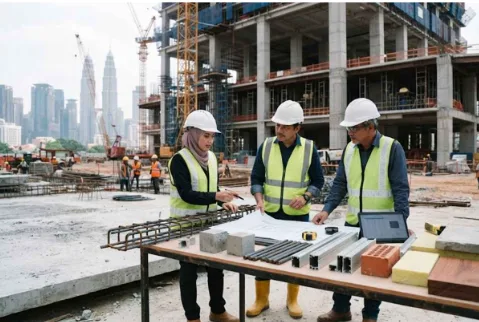
Choosing the right Building Materials Malaysia is one of the most important decisions in any construction project. In Malaysia, this decision requires careful consideration because the country has a tropical climate, high humidity, heavy rainfall, and regional differences in weather conditions. The materials selected for a building can affect its strength, appearance, energy efficiency, maintenance needs, and overall lifespan.
Whether you are constructing a residential property, commercial building, industrial facility, or renovation project, selecting materials based only on their price can lead to costly problems in the future. A better approach is to evaluate quality, durability, suitability, sustainability, and long-term value. By understanding these factors, property owners and construction professionals can make more informed decisions and create structures that remain safe and functional for many years.
Understand Malaysia’s Climate
Malaysia’s hot and humid tropical climate has a major influence on building material selection. Temperatures remain high throughout much of the year, while frequent rainfall and high humidity can accelerate deterioration in unsuitable materials.
Materials used for external walls, roofs, windows, and outdoor structures should be able to withstand moisture and intense sunlight. Poor-quality materials may develop cracks, mould, corrosion, or discoloration when continuously exposed to challenging weather conditions.
For this reason, it is important to select products that are specifically designed for tropical environments. Materials with good moisture resistance and weather protection can help reduce maintenance requirements and improve the long-term performance of a building.
Prioritise Quality
Quality should always be one of the main considerations when choosing Building Materials Malaysia. High-quality products may have a higher initial cost, but they generally provide better performance and a longer service life.
For example, strong concrete, reliable steel, quality roofing products, and durable finishing materials can help improve the structural integrity and appearance of a property. In contrast, low-quality alternatives may require frequent repairs or replacement.
When comparing products, consider:
- Material strength and durability
- Resistance to moisture and corrosion
- Manufacturer reputation
- Product testing and quality certifications
- Expected lifespan and maintenance requirements
Choosing reliable materials can help prevent unexpected expenses and improve the overall value of the construction project.
Choose Materials for Each Purpose
Different areas of a building require different types of materials. A product that works well indoors may not be suitable for outdoor use. Similarly, materials designed for decorative purposes may not provide the strength required for structural applications.
Structural materials should be selected based on safety, load-bearing capacity, and engineering requirements. Finishing materials, on the other hand, can be chosen according to appearance, comfort, and maintenance needs.
For example, flooring in kitchens and bathrooms should ideally be resistant to moisture and easy to clean. External walls should be protected against rain and sunlight, while roofing materials should provide effective weather protection and heat resistance.
Understanding the purpose of each material ensures that every product performs effectively in its intended location.
Consider Durability
Durability is particularly important in Malaysia because buildings are exposed to heat, rain, humidity, and, in some areas, coastal conditions. Materials that are not suitable for these conditions can deteriorate more quickly.
Metal components, for instance, may be vulnerable to rust and corrosion if they are exposed to moisture or salty air. Timber can also be affected by termites, moisture, and fungal growth if it is not properly treated.
When choosing materials, think about the environment in which the building is located. Coastal areas may require stronger corrosion-resistant materials, while regions with frequent heavy rainfall may need excellent drainage systems and moisture-resistant products.
Investing in durable materials can reduce the need for frequent repairs and provide better value over the lifetime of the building.
Think About Energy Efficiency
Energy efficiency is another important factor when selecting building materials. Malaysia’s warm climate can result in high cooling requirements, especially in homes, offices, and commercial buildings.
The right materials can help reduce heat transfer and improve indoor comfort. Insulated roofing, energy-efficient windows, reflective surfaces, and suitable wall systems can help reduce the amount of heat entering a building.
Windows and glass should be selected carefully because large areas of untreated glass can allow significant solar heat into indoor spaces. Materials that offer better thermal performance can help reduce dependence on air conditioning and potentially lower energy consumption.
Although energy-efficient products may sometimes cost more initially, their long-term benefits can make them a worthwhile investment.
Select Sustainable Options
Sustainability has become increasingly important in the construction industry. Choosing environmentally responsible Building Materials Malaysia can help reduce waste, conserve natural resources, and support more sustainable development.
Where practical, consider materials that are locally sourced, recycled, recyclable, or manufactured using environmentally responsible processes. Locally available products may also reduce transportation-related environmental impacts and make replacement materials easier to obtain.
Sustainable construction does not necessarily mean choosing the most expensive products. In many cases, durability itself is an important part of sustainability because long-lasting materials reduce the need for frequent replacement.
Check Local Standards
Before purchasing construction materials, it is essential to ensure that they comply with relevant Malaysian standards and building requirements. Materials used in construction should meet appropriate safety, quality, and performance expectations.
Working with qualified architects, engineers, contractors, and suppliers can help ensure that selected products are suitable for the intended application. Professional advice is especially important for structural materials, electrical systems, plumbing products, and fire safety components.
Using compliant materials helps improve safety and can also prevent problems during inspections, approvals, or future property transactions.
Compare Cost and Value
Price is an important part of any construction budget, but the cheapest Building Materials Malaysia option is not always the most economical choice. A low-cost product may have a shorter lifespan, higher maintenance requirements, or lower performance.
Instead of considering only the purchase price, evaluate the total cost over the material’s expected life. This includes installation, maintenance, repairs, replacement, and energy consumption.
A slightly more expensive material may offer better value if it lasts longer and requires less maintenance. Careful comparison can help property owners control costs without compromising quality.
Choose Reliable Suppliers
The supplier you choose can have a significant impact on the success of your project. A reputable supplier is more likely to provide genuine, consistent, and properly documented products. When sourcing Building Materials KL, selecting a trusted supplier can help ensure that you receive quality products that meet your project’s specific requirements.
Before making a purchase, check the supplier’s experience, product range, customer service, and ability to provide technical information. It is also useful to confirm product specifications, warranties, delivery schedules, and after-sales support.
Buying from a reliable source can reduce the risk of receiving substandard or unsuitable materials while helping your construction project progress smoothly and efficiently.
Plan for Maintenance
Every building material requires some level of maintenance. Before making a final decision, consider how much care a product will require throughout its lifespan.
Materials that are easy to clean, repair, or replace can be more practical for busy residential and commercial properties. In Malaysia’s humid climate, choosing surfaces that resist mould, moisture, stains, and corrosion can make long-term maintenance easier.
A material that looks attractive but requires constant upkeep may not be the best choice for every project.
Why Buy from Ezi Maju?
Choosing a reliable supplier is essential when purchasing construction products for residential, commercial, or industrial projects. Ezi Maju Sdn. Bhd. is a trusted choice for customers seeking dependable building materials and professional service. With a focus on product quality, customer satisfaction, and reliable supply, the company helps customers find materials that are suitable for their specific construction requirements.
From product selection to project planning, working with an experienced supplier can make the purchasing process more convenient and efficient. Ezi Maju aims to provide customers with dependable products and support, helping them make informed decisions and complete their construction projects with greater confidence.
Conclusion
Choosing the right Building Materials Malaysia requires more than comparing prices. The country’s tropical climate, high humidity, heavy rainfall, and diverse environmental conditions make material selection especially important. Quality, durability, energy efficiency, sustainability, compliance, supplier reliability, and maintenance requirements should all be considered before making a decision.
The best approach is to evaluate the specific needs of the building and choose materials that offer reliable performance over the long term. By combining professional advice with careful research and proper planning, property owners and construction professionals can create buildings that are safer, more comfortable, efficient, and durable. The right materials are not simply an expense; they are a long-term investment in the quality and future performance of the entire building.