Top Benefits of Installing an Air-Cooled Chiller
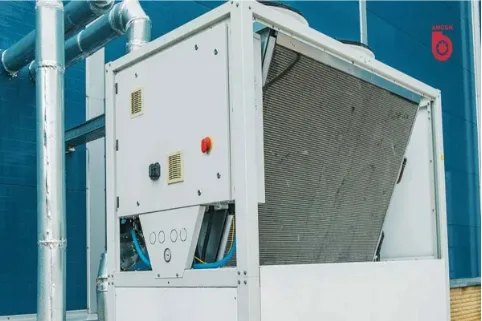
Air-cooled cooling systems are widely used in commercial, industrial, and institutional facilities to provide dependable temperature control for buildings, equipment, and industrial processes. These systems remove heat from chilled water and release it into the surrounding atmosphere through condenser coils. Because of their practical operation and dependable performance, an Air-Cooled Chiller has become an important cooling solution for many different applications.
Choosing the right cooling system can directly affect energy consumption, operational reliability, maintenance requirements, and overall comfort. When properly selected and maintained, an air-cooled cooling system can provide consistent temperature control and support the efficient operation of a facility. The following are some of the most important benefits of using this type of cooling system.
Key Benefits of Installation
1. Reliable Cooling Performance
One of the biggest benefits of using an Air-Cooled Chiller is its ability to provide dependable cooling. These systems are designed to produce chilled water that can be used for air conditioning or industrial process cooling.
Reliable temperature control is essential in many environments. Commercial buildings need stable indoor temperatures for occupant comfort, while industrial facilities may require precise cooling to protect equipment and maintain production quality. An air-cooled cooling system can deliver consistent cooling when it is properly sized and operated according to the facility’s requirements.
2. Reduced Water Consumption
Air-cooled cooling systems use ambient air to reject heat instead of relying on condenser water. This means they do not require the continuous water consumption associated with cooling tower.
This benefit can be particularly valuable in areas where water resources are limited or water conservation is a priority. By reducing dependence on water, businesses can support more sustainable operations and minimize expenses related to water usage.
The reduction in water consumption also means fewer operational concerns related to water treatment, scaling, corrosion, and biological growth within cooling water systems.
3. Lower Maintenance Requirements
Air-cooled cooling systems generally require less maintenance related to water systems because they do not use cooling towers or condenser water circuits. This can simplify routine operation and reduce the number of water-related issues that maintenance teams need to manage.
Regular maintenance typically focuses on the main operating components, such as:
- Condenser coils
- Fans and motors
- Compressors
- Refrigerant systems
- Electrical connections
- Filters and control systems
Keeping these components clean and properly maintained helps the cooling system continue operating efficiently and reliably.
4. Improved Operational Simplicity
Air-cooled cooling systems have a relatively straightforward operating structure. Since they do not depend on cooling towers, condenser water pumps, or water treatment systems, facility operators can manage a simpler cooling process.
This operational simplicity can make it easier to monitor the system and identify potential performance issues. Operators can focus on key factors such as chilled water temperature, refrigerant performance, airflow, and overall system load.
A simpler operating structure can also help reduce the complexity of daily facility management.
5. Energy Efficiency
Modern Air-Cooled Chiller systems are designed with advanced compressors, variable-speed components, and intelligent control systems that can help improve energy performance. These features allow the system to adjust its operation according to the actual cooling demand.
When cooling demand is lower, the system may reduce its capacity instead of operating continuously at full load. This can help avoid unnecessary energy consumption and improve overall efficiency.
Energy performance depends on several factors, including climate, system design, operating conditions, maintenance, and the efficiency rating of the specific equipment. However, selecting and operating an efficient model can contribute to lower energy use over time.
6. Effective Temperature Control
Maintaining a stable temperature is important for both comfort and industrial performance. Air-cooled cooling systems can provide chilled water at controlled temperatures to support different cooling requirements.
In commercial environments, this helps maintain comfortable indoor conditions. In industrial applications, stable cooling can help protect machinery, production materials, and temperature-sensitive processes.
Consistent temperature control can also help reduce fluctuations that may negatively affect equipment performance or product quality.
7. Suitable for Different Applications
Another important benefit of an Air-Cooled Chiller is its versatility. These systems can be used in a wide variety of applications and industries.
Common uses include:
- Commercial air conditioning
- Manufacturing processes
- Healthcare facilities
- Hotels and office buildings
- Educational institutions
- Data and technology facilities
- Food and beverage processing
- Industrial equipment cooling
Because different models are available with different capacities and features, businesses can select a system according to their specific cooling requirements.
8. Reduced Water Treatment Concerns
Facilities that use water-cooled systems often need to monitor water quality and perform regular water treatment. This may involve managing issues such as mineral deposits, corrosion, and biological growth. In comparison, a Cooling Tower system requires ongoing attention to water quality and treatment to maintain efficient performance.
Air-cooled cooling systems eliminate many of these concerns because they do not use condenser water for heat rejection. As a result, facility managers can reduce the operational attention required for water treatment programs.
This can make the overall cooling system easier to manage and help reduce the risk of performance problems caused by poor water quality.
9. Reliable Operation in Different Conditions
An Air-Cooled Chiller can provide dependable cooling in many different types of facilities and operating environments. With appropriate system selection and proper maintenance, it can support cooling requirements throughout the year.
Advanced controls can help the system respond to changing cooling loads. This allows the equipment to adjust its performance based on the actual demand of the building or process.
Reliable operation is especially valuable for facilities where unexpected cooling interruptions could affect productivity, equipment, or occupant comfort.
10. Long-Term Operational Value
A well-maintained air-cooled cooling system can provide long-term value by delivering dependable cooling over an extended operating life. Regular inspections, cleaning, performance checks, and timely repairs can help protect the system from unnecessary wear.
Although the total cost of operation depends on the equipment, energy use, maintenance schedule, and operating conditions, a properly managed cooling system can support efficient and dependable facility operations for many years.
The Benefits of Choosing Amcon
Amcon (M) Sales & Service Sdn Bhd provides professional solutions and services for businesses seeking dependable cooling and industrial equipment support. With a focus on quality products, technical expertise, and customer satisfaction, the company helps clients identify suitable solutions according to their specific operational requirements.
Choosing Amcon can provide businesses with access to professional guidance, reliable service, and ongoing support. The company’s commitment to delivering practical solutions helps customers manage their cooling requirements with greater confidence and efficiency. Whether a facility needs equipment support, technical assistance, or dependable service, it aims to provide solutions that contribute to smooth and reliable operations.
Conclusion
Using an Air-Cooled Chiller can provide numerous operational benefits for commercial, industrial, and institutional facilities. From reliable cooling and effective temperature control to reduced water consumption and simpler maintenance, these systems offer a practical solution for a wide range of applications.
Their ability to operate without cooling towers and condenser water systems can reduce water-related concerns and simplify daily system management. Modern systems can also offer improved energy performance through advanced compressors and intelligent controls.
With proper selection, regular maintenance, and efficient operation, an air-cooled cooling system can deliver consistent cooling performance and long-term value. For facilities seeking dependable temperature control with reduced water dependence, this type of cooling solution can be an effective and practical choice.