How to Find the Best Portable Induction Cooktop for Small Kitchens Without Wasting Money
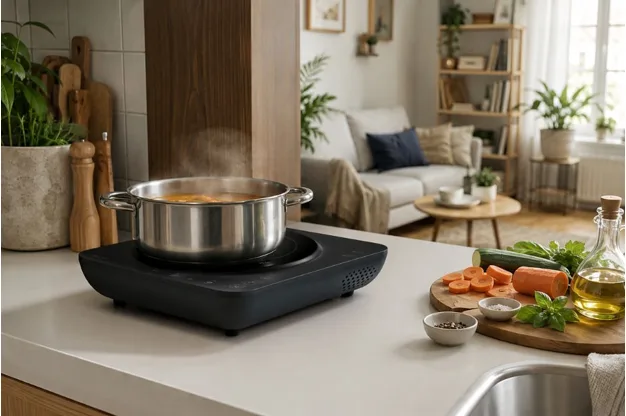
Portable induction cooktops have become an increasingly popular choice for people living in apartments, dorm rooms, RVs, tiny homes, and other spaces where every inch of countertop matters. They offer a practical way to prepare meals without the bulk of a traditional stove while delivering fast, energy-efficient cooking. However, choosing the right model is not always straightforward. With so many options available, buyers often struggle to distinguish between features that genuinely improve performance and those that simply increase the price.
Focusing only on the lowest cost can lead to compromises in safety, durability, cooking precision, or long-term value. Finding the best portable induction cooktop requires looking beyond price and understanding which features match your cooking habits and available space. This guide explains the most important factors to consider, highlights common buying mistakes, and provides practical advice to help you make a confident, well-informed purchasing decision without spending more than necessary.
What Is the Best Portable Induction Cooktop for a Small Kitchen?
The best portable induction cooktop for a small kitchen balances size, cooking performance, safety features, energy efficiency, and long-term reliability. Instead of choosing the cheapest or most feature-packed model, compare practical factors such as wattage, temperature control, cookware compatibility, ease of cleaning, and warranty to find the option that best suits your daily cooking needs.
Why Portable Induction Cooktops Are Ideal for Small Kitchens
Limited kitchen space often requires appliances that can perform multiple tasks without occupying valuable countertop area. Portable induction cooktops are designed with compact dimensions, making them easy to place on a counter when needed and store away after cooking. Unlike traditional electric burners, they heat cookware directly, allowing water to boil faster and meals to cook more efficiently while using less energy. Because the cooking surface itself remains relatively cool, less heat is released into the surrounding room, helping maintain a more comfortable kitchen environment during everyday use.
Many models also include practical safety features such as automatic pan detection, overheat protection, and auto shut-off, reducing common cooking risks. Their lightweight design makes them especially suitable for renters, students, RV travelers, and anyone living in a small home who needs a flexible cooking solution. By combining portability, efficiency, and convenience, these appliances provide a practical alternative for preparing everyday meals without sacrificing valuable kitchen space.
Measure Your Kitchen Before Buying
Before comparing features or prices, take a few minutes to evaluate your kitchen space and cooking setup. Measure the available countertop area to ensure the cooktop fits comfortably without crowding other appliances or food preparation areas. If you plan to store the unit after use, check your cabinet or shelf space as well. A compact design is only useful if it can be stored conveniently when not in use.
Next, consider practical factors beyond size. Make sure a suitable power outlet is located close enough to avoid using unsafe extension cords, and leave enough surrounding space for proper airflow as recommended by the manufacturer. Think about how often you cook and the types of meals you prepare. Someone who cooks daily may prioritize durability and stable performance, while occasional users may value lightweight portability and easy storage. Choosing a model that matches both your kitchen layout and cooking routine helps prevent unnecessary compromises later.
| Buying Factor | Why It Matters |
| Size | Fits your countertop comfortably |
| Weight | Easier to move and store |
| Wattage | Affects cooking speed and performance |
| Outlet Position | Supports safe and convenient setup |
| Ventilation | Helps maintain proper airflow during operation |
Features That Actually Matter Before You Buy
Power Levels
Power levels influence how quickly an induction cooktop heats food and how well it handles different cooking tasks. Higher wattage generally provides faster boiling and searing, but more power is not always necessary for every household. Most users benefit from adjustable power settings that allow greater control for everything from simmering sauces to preparing larger meals. Avoid assuming that the highest wattage automatically means the best value.
Temperature Control
Precise temperature control improves cooking consistency and helps prevent overcooking or burning delicate foods. Models with multiple temperature settings offer greater flexibility for simmering, frying, steaming, and warming. This feature is especially valuable for people who prepare a variety of meals instead of relying on a single cooking method.
Safety Features
Safety should never be overlooked. Useful features such as automatic shut-off, pan detection, overheat protection, and child locks reduce everyday risks and make cooking more convenient. These functions are particularly beneficial for families, beginners, and anyone using a portable cooktop in smaller living spaces.
Cookware Compatibility
One of the most common buying mistakes is forgetting that induction cooktops require magnetic cookware. Before purchasing, confirm that your existing pots and pans are induction compatible by checking the manufacturer’s label or testing them with a magnet. This simple step can prevent unexpected additional costs after buying the appliance.
Features That Actually Matter Before You Buy
Ease of Cleaning
A smooth ceramic glass surface is one of the biggest advantages of a portable induction cooktop because food is less likely to burn onto the cooking area. Spills can usually be wiped away with a soft cloth after the surface cools, making routine maintenance quick and simple. Choosing a model with a durable, scratch-resistant surface can also help preserve its appearance over time.
Noise Level
Most portable induction cooktops use an internal cooling fan to protect electronic components during operation. As a result, a low humming or fan noise is completely normal. Instead of expecting silent performance, compare reviews to identify models that operate consistently without excessive noise, especially if you cook frequently in a small apartment or shared living space.
Control Panel
A well-designed control panel makes everyday cooking easier. Responsive touch controls offer a sleek appearance and are simple to clean, while physical buttons may provide better feedback for some users. Whichever style you prefer, look for clearly labeled controls that allow quick adjustments without interrupting the cooking process.
Warranty & Durability
A reliable warranty often reflects the manufacturer’s confidence in product quality. Pay attention to build materials, warranty length, and customer support rather than focusing only on appearance. A durable cooktop with dependable after-sales service usually offers better long-term value than a cheaper model that may require early replacement.
Features You Probably Don’t Need (And That Can Waste Money)
Not every feature justifies a higher price. Many portable induction cooktops include numerous preset cooking modes, decorative finishes, or extra-high wattage that may rarely benefit everyday users. While these additions can seem attractive, they often increase cost without improving normal cooking performance.
Instead of paying for features you may never use, focus on practical essentials such as consistent heating, accurate temperature control, reliable safety functions, and durable construction. Prioritizing everyday usability over marketing extras is often the smarter investment.
How Much Should You Spend?
The right budget depends on your cooking habits rather than the highest price tag. Entry-level models are suitable for occasional cooking and basic meal preparation, while mid-range options typically provide better temperature control, stronger safety features, and improved durability.
Premium models may include additional convenience features and higher-quality construction for people who cook frequently. Rather than choosing the cheapest or most expensive option, compare overall performance, reliability, warranty coverage, and long-term value to ensure your investment meets your needs.
Common Mistakes That Waste Money
Many buyers spend more than necessary because they overlook practical considerations before making a purchase. Avoid these common mistakes:
- Buying without measuring available kitchen space.
- Ignoring cookware compatibility.
- Choosing only by price or online ratings.
- Paying extra for unnecessary features.
- Overlooking warranty and long-term durability.
How to Compare Different Portable Induction Cooktops
Comparing portable induction cooktops becomes much easier when you evaluate them using the same practical criteria instead of focusing on a single feature or the lowest price. Start by reviewing the specifications, including wattage, available temperature settings, and cooking modes, to ensure they match your everyday cooking habits. Next, compare important safety features such as automatic shut-off, pan detection, overheat protection, and child locks.
Also consider how easy the glass surface is to clean, whether the controls are simple to operate, and how energy efficiently the appliance performs. Finally, check the warranty period and the manufacturer’s reputation for product reliability and customer support, as these factors can influence long-term satisfaction. After comparing these essential factors, it becomes much easier to identify the best portable induction cooktop for your kitchen and cooking habits instead of relying on advertising or price alone.
Buying Checklist
- ✓ Size fits your available countertop.
- ✓ Wattage matches your cooking requirements.
- ✓ Temperature settings provide sufficient control.
- ✓ Essential safety features are included.
- ✓ Smooth surface is easy to clean.
- ✓ Warranty offers reliable protection.
- ✓ Controls are simple and responsive.
- ✓ Weight supports easy portability and storage.
- ✓ Energy efficiency helps reduce electricity use.
Real-Life Buying Scenarios
Different households have different priorities, so the right portable induction cooktop depends on how it will be used. A college student living in a dorm may value a lightweight, compact model that is easy to store after meals. Apartment renters often benefit from balanced performance, quiet operation, and efficient use of limited counter space. RV owners usually prioritize portability, energy efficiency, and dependable cooking while traveling.
Couples who cook regularly may appreciate better temperature control and a durable design for everyday use, while families preparing larger meals may prefer higher wattage and advanced safety features. Matching the appliance to your lifestyle helps ensure you pay for features that provide genuine value instead of unnecessary extras.
Making the Final Decision Without Overspending
Choosing the right portable induction cooktop is ultimately about balancing performance, practicality, and long-term value. Focus on features that match your cooking habits, available space, and budget instead of assuming the most expensive option is the best choice.
Once you understand the buying criteria, comparing manufacturers—including ciarra gadgets—becomes much easier because you can evaluate products based on performance, safety features, durability, and overall value rather than promotional claims. Taking a careful, research-based approach will help you make a confident purchase without overspending.
Conclusion
Finding the right portable induction cooktop is about choosing a model that fits your kitchen, cooking habits, and long-term needs rather than simply selecting the lowest-priced option or the one with the longest feature list. By measuring your available space, comparing essential features, checking cookware compatibility, and evaluating safety, durability, and energy efficiency, you can make a more informed decision.
Taking time to compare different models carefully also helps you avoid paying for unnecessary extras that add cost without improving everyday performance. A practical, research-based approach allows you to invest in a portable induction cooktop that delivers reliable cooking results, convenient operation, and lasting value for years to come.
Frequently Asked Questions
What cookware works with a portable induction cooktop?
Portable induction cooktops require magnetic cookware, such as cast iron or magnetic stainless steel. A simple magnet test can help determine whether your existing pots and pans are compatible.
Are portable induction cooktops energy efficient?
Yes. Induction technology transfers heat directly to compatible cookware, reducing wasted energy and cooking food more efficiently than many traditional electric cooking methods.
Can I use one in a small apartment?
Yes. Their compact size, portable design, and efficient operation make portable induction cooktops a practical cooking solution for apartments, dorm rooms, RVs, and other small living spaces.
How many watts do I need?
Most households find that a portable induction cooktop with adjustable power levels provides enough flexibility for everyday cooking. The ideal wattage depends on your cooking habits and meal preparation needs.
How long does a portable induction cooktop last?
A well-built portable induction cooktop can provide many years of dependable service when used correctly and maintained regularly. Product quality, frequency of use, and proper care all influence its lifespan.