Why Brands Are Choosing Lenticular Printing To Capture Attention
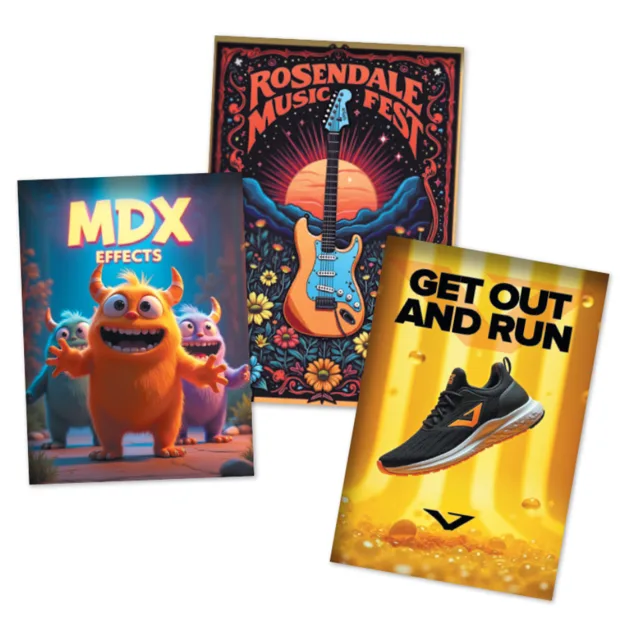
Being different is more challenging than ever. Customers have to face thousands of advertising messages, product displays, and promotional material every day, which are competing to capture their attention. Consequently, the traditional printed items tend to fade into the background before an impression is made.
That poses a problem for brands that depend on print marketing. When a brochure, display, or promotional card does not attract in a few seconds, then the chances of reaching out to the audience may be missed. Therefore, businesses are looking for print solutions that do more than simply display information.
This is where lenticular printing can be of good use. Its ability to provide motion, depth, and transform visuals without the use of electronics makes even simple printed materials interesting experiences that would naturally attract the eye.
Let’s explore the key reasons why brands are increasingly choosing lenticular printing to capture attention.
1. Creates Eye-Catching Visual Experiences That Stand Out
Among the largest causes of brands selecting lenticular printing is that the printed materials become hard to ignore. In contrast to traditional printing, it provides movement, depth, and dynamic images that immediately attract attention.
This assists the brands to be unique in congested areas like retail outlets, trade shows, and exhibitions. Such effects prompt individuals to stop and have a closer look rather than just passing by the display.
Humans have a tendency to perceive movement over stationary images. When they switch the viewing angle, the picture is seen to move or change. This ensures that their attention is retained longer and the message is easier to recall. Practical demonstrations of these effects can be found in lenticular printing at enduraline.com.
2. Boosts Customer Engagement Through Motion and Depth
Capturing attention is only the first step. The second difficulty lies in maintaining the interest of people so that the message is absorbed.
Lenticular printing assists in doing so by promoting interaction. The image seems to move, flip, or show new information as the viewers change the viewing angle. This easy step makes people wonder and encourages them to devote more time to the printed work.
Longer viewing time often leads to better communication of the intended message. If it is the launching of a product, a description of a service, or a promotion, then moving images make the information easier to observe and retain.
Moreover, these effects provide a better viewing experience, as printed marketing materials become fresh rather than stagnant.
3. Strengthens Brand Recall with Memorable Print Marketing
A marketing campaign is successful when people remember both the message and the brand behind it. That is why many businesses use lenticular printing to create stronger brand recognition.
People tend to remember experiences that are visually different from what they see every day. A brochure with a motion effect or a promotional card with a realistic 3D appearance is more likely to stay in someone’s memory than a standard printed piece. Consequently, the brand associated with that experience also becomes easier to recall.
This approach is especially valuable during trade shows, product launches, and direct mail campaigns where businesses compete with many other brands. When customers remember a unique printed piece after the event, the marketing effort continues to deliver value beyond the initial interaction.
4. Enhances Promotional Campaigns Across Multiple Industries
Lenticular printing cannot be confined to a single type of business. It is flexible and fits a vast spectrum of industries that rely on visual communication.
It is applied by retail brands in displaying point-of-sale displays that appeal to shoppers. Business organizations use it in presentation folders, advertisements, and product introductions to ensure that business communication is more interactive.
Educational institutions, healthcare providers, entertainment companies, and nonprofit organizations also use lenticular products to simplify complex information while increasing audience interest.
Because the technology can be applied to various printed products, businesses have greater freedom to match the design with their campaign objectives. Whether the goal is increasing product visibility, improving event marketing, or creating memorable promotional giveaways, lenticular printing supports a variety of marketing strategies without changing the core message.
5. Delivers Long-Term Value Through Durable, High-Impact Prints
While the visual effects often receive the most attention, durability is another important reason brands continue investing in lenticular printing.
Many lenticular products are designed to withstand regular handling while maintaining their appearance. Unlike temporary digital advertisements that disappear after a campaign ends, printed materials can continue generating impressions for months or even years. This extended lifespan allows businesses to maximize the value of their marketing investment.
Furthermore, durable promotional materials often remain on desks, shelves, or display areas instead of being discarded quickly. As people see them repeatedly, the brand message gains additional exposure without ongoing advertising costs.
When combined with thoughtful design and high-quality production, lenticular printing becomes a practical solution for businesses looking to create lasting marketing assets.
Conclusion
Brands are choosing lenticular printing because it combines visual creativity with practical marketing benefits. It attracts attention, encourages interaction, improves brand recall, and supports campaigns across many industries.
At the same time, its durability helps businesses continue gaining value long after the initial distribution. As competition for customer attention continues to grow, creating memorable printed materials becomes increasingly important.
Lenticular printing offers a distinctive way to make print marketing more engaging without relying on digital technology, making it a valuable option for businesses that want their message to be noticed and remembered.