What Austin, TX Homeowners Should Check After a Severe Thunderstorm
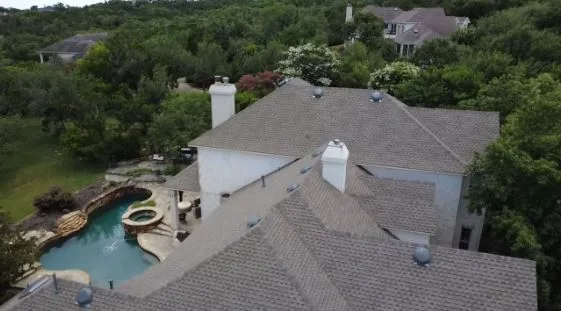
Severe thunderstorms can leave behind more than fallen branches and temporary power outages. High winds, hail, and wind-driven rain may damage roofing materials, gutters, flashing, vents, siding, windows, and other exterior components.
Some storm damage is immediately visible. Other problems remain hidden until the next heavy rain or until moisture begins affecting insulation, decking, ceilings, or interior finishes.
Austin homeowners can reduce the risk of costly surprises by documenting the storm, checking the property safely, and arranging an inspection when warning signs appear.
Begin With a Ground-Level Exterior Check
Homeowners should avoid climbing onto the roof after a storm. Wet shingles, loose granules, damaged tiles, steep slopes, and hidden weak areas can create serious fall hazards.
Instead, begin with a visual inspection from the ground. Binoculars or a camera with a zoom lens can help identify obvious changes without stepping onto the roofing surface.
Look for:
- Missing, lifted, or folded shingles
- Broken or displaced roof tiles
- Bent or detached gutters
- Dented downspouts
- Damaged roof vents
- Loose flashing
- Fallen tree limbs
- Debris collecting in valleys
- Shingle granules near downspout outlets
- New dents on garage doors or exterior metal
Damage to gutters, window screens, outdoor equipment, and metal roof components can indicate that hail struck the property with enough force to justify a closer roof evaluation.
Check the Attic and Interior Ceilings
Roof damage does not always cause an immediate visible leak. Underlayment may temporarily slow water intrusion even when the exterior roofing material has been compromised.
Homeowners should inspect accessible attic areas and interior ceilings for:
- New water stains
- Damp insulation
- Dripping near vents or chimneys
- Moisture around skylights
- Darkened roof decking
- Musty odors
- Discoloration near exterior walls
- Wet areas around roof penetrations
A new ceiling stain does not automatically prove that hail damaged the roof. Water can enter through flashing, vents, siding transitions, roof-to-wall intersections, or preexisting installation defects.
The goal is to document what has changed and identify areas that need professional evaluation.
Photograph Everything
Good documentation can be valuable for repairs, warranties, and insurance discussions.
Homeowners should photograph:
- Hailstones, when it is safe to do so
- Damaged gutters and downspouts
- Torn screens
- Dented vents
- Fallen branches
- Ceiling stains
- Wet insulation
- Temporary repairs
- Any visible changes to the roof
Record the approximate time and date of the storm as well.
Photographs should be taken before permanent repairs begin whenever possible. If emergency work is necessary to prevent additional water intrusion, document the condition before and after the temporary repair.
Understand That Not Every Mark Is Storm Damage
Roofing materials naturally change over time. Granule loss, blistering, fading, foot traffic, previous repairs, tree abrasion, manufacturing irregularities, and normal aging can sometimes resemble storm damage.
Wind damage may look different from hail damage. Wind can lift or crease shingles, loosen flashing, and disturb ridge materials. Hail may leave impact marks, displaced granules, damaged metal, or cracked materials.
Homeowners can review a detailed guide on how to spot roof hail damage from the ground before deciding whether an inspection is necessary.
A qualified roofing contractor should distinguish between storm-related damage, ordinary aging, and installation problems rather than assuming every visible defect came from the most recent storm.
Repair or Replacement Depends on the Extent of the Problem
Storm damage does not automatically mean that the entire roof needs to be replaced.
A repair may be appropriate when:
- Damage is isolated
- Matching materials remain available
- The surrounding roof is in good condition
- The roof still has meaningful service life
- The affected area can be rebuilt properly
- Flashing and decking remain serviceable
Replacement may be more appropriate when:
- Damage is widespread across several roof slopes
- The roofing material is brittle
- Multiple areas are leaking
- Matching shingles or tiles are unavailable
- The roof is already near the end of its service life
- The roof has recurring installation problems
- Several components were damaged during the same storm
Homeowners comparing both options can review a practical roof repair versus replacement guide before approving a scope of work.
The decision should be based on the condition of the complete roofing system—not only the age of the roof or one photograph.
Be Cautious With Temporary Repairs
Emergency sealant, tarps, or patches may help reduce immediate water intrusion, but they are not always permanent solutions.
A durable repair may require removing roofing materials, inspecting the underlayment and decking, rebuilding flashing, and restoring the area according to manufacturer requirements.
Homeowners should ask contractors to explain:
- What caused the problem
- Which materials must be removed
- Whether the decking will be inspected
- How flashing will be repaired
- Whether matching materials are available
- What warranty applies
- Whether the repair is temporary or permanent
Large amounts of exposed sealant may hide a deeper flashing or drainage issue.
Protect the Property From Additional Damage
Homeowners should take reasonable steps to prevent additional damage after a storm.
That may include:
- Moving valuables away from active leaks
- Placing containers beneath drips
- Drying wet areas
- Covering damaged openings when it can be done safely
- Removing standing water
- Contacting a qualified contractor
- Keeping receipts for emergency work
No one should climb onto a wet or damaged roof without proper equipment and training.
The Bottom Line
After a severe thunderstorm, homeowners should document the event, inspect the property safely from the ground, check the attic and ceilings, and seek professional help when multiple warning signs are present.
Not every mark requires a full roof replacement, but ignoring storm damage can allow a repairable problem to become more expensive.
A careful inspection, clear photographs, and a written explanation of the findings can help homeowners make informed decisions about repairs, replacement, and future maintenance.