How To Accurately Measure Fuel Usage On Offshore Fishing Trips
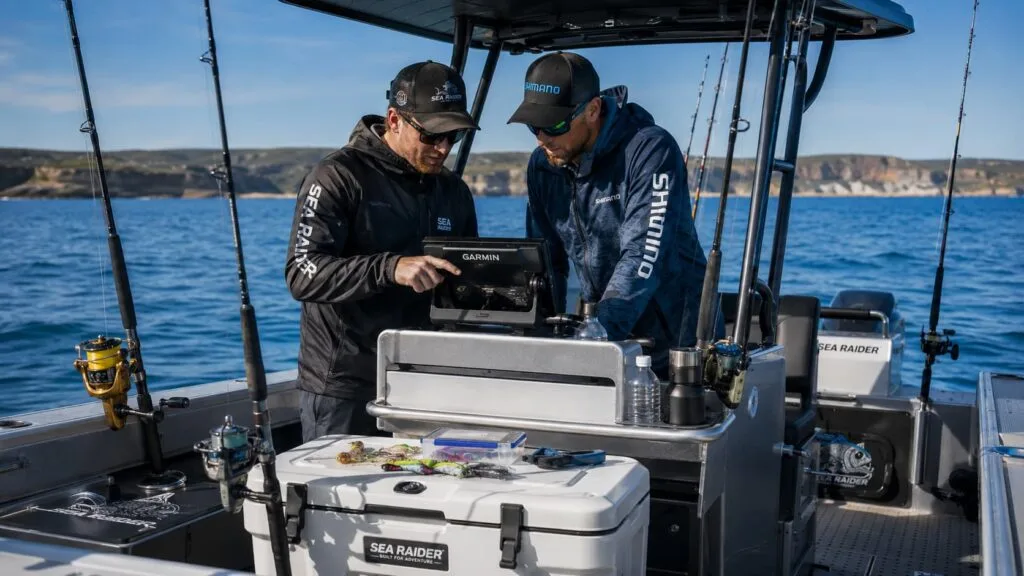
One of the biggest mistakes offshore anglers make isn’t choosing the wrong boat; it’s relying on guesswork when estimating fuel consumption. Offshore fishing often involves travelling long distances, changing speeds, trolling for extended periods, and dealing with varying sea conditions. Without knowing exactly how much fuel your boat is using, you risk reducing your safety margin or cutting a successful fishing trip short.
Modern fuel monitoring systems have made measuring fuel usage far more accurate than simply watching the fuel needle. Understanding your real fuel burn helps you plan safer trips, improve efficiency, and make informed decisions on the water.
Why Measuring Fuel Usage Matters Offshore
Fuel is one of the most important safety considerations for offshore boating. Unlike estuary or inshore fishing, offshore trips often involve travelling 30–100 kilometres or more before reaching fishing grounds.
Running low on fuel can result from:
- Strong headwinds
- Larger-than-expected swell
- Extended trolling sessions
- Diversions to alternative fishing locations
Knowing your actual fuel burn significantly reduces this risk.
Why Traditional Fuel Gauges Are Not Always Accurate
Many recreational boats still rely on float-type tank gauges. While useful as a rough indication, these systems can become less accurate because of:
- Boat trim
- Fuel slosh
- Tank shape
- Sensor wear
For offshore trips, estimating remaining fuel based only on a dashboard gauge is rarely the safest approach.
What Is The Most Accurate Way To Measure Fuel Usage?
The most reliable method combines digital fuel-flow data with total fuel-used calculations.
Modern fuel management systems monitor:
- Fuel flow
- Fuel consumed
- Fuel remaining
- Instantaneous litres per hour
- Trip fuel usage
This provides far greater accuracy than simply estimating fuel levels.
Many modern outboards also support NMEA 2000 engine data, allowing fuel-use information to be displayed directly on compatible multifunction displays or dedicated monitoring systems.
How To Calculate Fuel Consumption On Offshore Trips
A simple calculation helps establish your boat’s average fuel burn.
Formula
Fuel Consumption = Total Fuel Used ÷ Engine Running Hours
Example:
| Trip Distance | Fuel Used | Engine Hours | Average Burn |
| 80 km | 64 L | 4 hrs | 16 L/hour |
Recording several trips helps establish a realistic average under different conditions.
What Factors Affect Fuel Consumption?
Fuel burn changes constantly throughout a fishing trip.
Major influences include:
-
Boat Load
Extra passengers, ice, tackle, and fuel increase displacement.
-
Sea Conditions
Large swell and headwinds require greater engine effort.
-
Cruising Speed
Higher speeds generally increase fuel consumption disproportionately.
-
Hull Condition
Marine growth on the hull increases drag.
-
Engine Maintenance
A well-maintained outboard typically performs more efficiently than one with worn components.
Recent marine engineering research published in Frontiers in Marine Science found that environmental conditions and operational variables significantly influence vessel fuel consumption, reinforcing the value of real-time monitoring rather than relying on fixed estimates.
Why Digital Fuel Monitoring Is Becoming Standard
Many offshore anglers now use integrated fuel management systems instead of relying solely on analogue gauges.
Advantages
✓ Real-time fuel burn
✓ Distance-to-empty calculations
✓ Fuel remaining estimates
✓ Better trip planning
✓ Improved confidence offshore
When researching integrated monitoring solutions, many boat owners look for systems that combine a digital Boat Fuel Gauge with engine data to provide a clearer picture of fuel usage throughout the trip.
How To Plan Fuel For Offshore Fishing
A common mistake is planning fuel around ideal conditions.
Instead, always account for:
- Rougher return journeys
- Unexpected detours
- Longer trolling sessions
- Weather changes
A Practical Rule
Many experienced offshore anglers still follow a conservative reserve strategy:
- One-third of the fuel for the outbound trip
- One-third for the return trip
- One-third is held as an emergency reserve
While every trip is different, maintaining a healthy reserve greatly improves safety.
Common Fuel Management Mistakes
Avoid these frequent errors:
- Trusting only the dashboard fuel needle
- Forgetting to reset trip fuel data
- Ignoring increased fuel burn in rough seas
- Assuming previous trip consumption will remain identical
- Failing to calibrate digital fuel systems after refuelling
Small errors can accumulate quickly during long offshore runs.
Best Practices For Monitoring Fuel Usage
Developing consistent habits improves both safety and efficiency.
Checklist Before Every Trip
✔ Start with a full tank where practical
✔ Reset trip fuel data
✔ Confirm engine readings
✔ Monitor litres per hour throughout the day
✔ Record fuel used after each trip
Keeping a simple fuel log helps identify changes in engine performance over time.
Final Thoughts
Accurately measuring fuel usage is one of the simplest ways to improve offshore boating safety. Rather than relying on estimates or analogue gauges alone, today’s digital monitoring systems allow anglers to understand exactly how much fuel they are using under real-world conditions.
By tracking fuel burn, accounting for changing sea conditions, and maintaining a generous reserve, you can enjoy longer, safer, and more efficient offshore fishing trips. Good fuel management isn’t just about saving money, it’s about ensuring every trip ends with a safe return to the ramp.