How to Maximize Irrigation Efficiency with Agriculture Well Drilling and Pump Maintenance
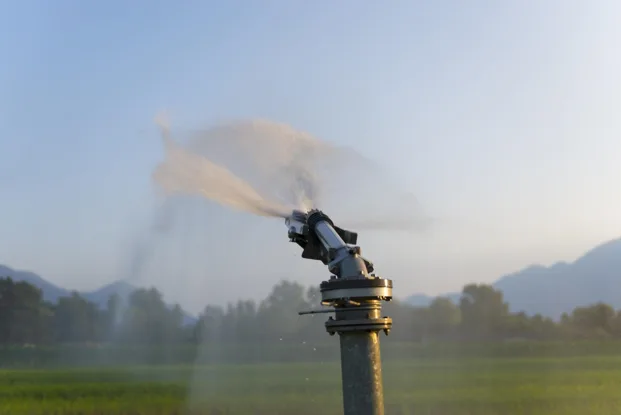
Water is one of the most important resources available to agriculture, and efficient irrigation is vital to healthy crops and sustainable farming. Agriculture well drilling, along with well and pump services, enhances the ability of farmers to supply the proper quantity of water while decreasing water waste, operating expenses, and productivity. With proper system design and regular pump maintenance, a well system can supply water to the fields on a regular schedule throughout the growing season.
As water availability and energy costs continue to influence farming operations, maintaining an efficient irrigation system has become more important than ever.
Why Irrigation Efficiency Matters
Efficient irrigation is about more than conserving water. It directly impacts crop health, soil quality, operating expenses, and long-term farm productivity.
When irrigation systems perform efficiently, farmers can:
- Deliver water more evenly across fields
- Reduce water loss through leaks and inefficient pumping
- Lower energy consumption
- Improve crop yields
- Extend the lifespan of irrigation equipment
Improvements, regardless of their size, in water management can provide substantial water savings over a number of growing seasons.
Start with Proper Agriculture Well Drilling
An irrigation system is only as reliable as its water source. Professional agriculture well drilling ensures that the well is designed to meet both current and future water demands.
Factors such as groundwater availability, soil conditions, well depth, and pump capacity all influence system performance. A properly constructed agricultural well provides a dependable water supply while reducing unnecessary strain on pumping equipment.
Working with experienced drilling professionals also helps ensure compliance with local regulations and promotes long-term well performance.
Choose the Right Pump for Your Irrigation Needs
The proper selection of the pump is just as crucial as the drilling of the well. The size should be neither too small nor too large as this can either lead to an inability to satisfy irrigation requirements or to waste energy and energy costs.
The best type of pump will depend on:
- Well depth
- Required water flow
- Irrigation method
- Crop type
- Field size
- Seasonal water demand
Matching pump capacity to irrigation requirements improves efficiency while reducing unnecessary wear on the system.
Routine Pump Maintenance Prevents Costly Problems
Failure of irrigation often starts with small problems and builds up over time. Regular well and pump service is important in detecting these issues and avoiding being forced to stop irrigation at critical growth stages.
Regular maintenance typically includes inspecting motors, checking pressure levels, examining electrical connections, testing water flow, and evaluating overall pump performance.
Preventive maintenance can also help to minimize the need for emergency repairs, which can disrupt farming activities during the planting or harvest seasons.
Watch for Signs Your System Needs Attention
In many cases, signs of trouble may be noticed long before major failure of irrigation equipment. Early treatment of these symptoms may avoid costly repairs and ensure crop production.
Common indicators include reduced water pressure, uneven irrigation coverage, unusual pump noises, increased energy bills, frequent pump cycling, and changes in water flow.
When any of these problems are evident, it is critical to get a professional inspection as soon as possible to avoid bigger system failures.
Improve Overall Irrigation Performance
In addition to maintaining wells and pumps, farmers can enhance irrigation efficiency by managing their irrigation systems. Regular inspection, leak detection, and scheduling ensure water is delivered where and when needed.
Many modern irrigation technologies such as automated controls and moisture monitoring systems are also available to further optimize water use by adapting irrigation schedules to field conditions. When these technologies are used together with an adequately maintained well system, the farms are able to optimize production and conserve precious water resources.
Work with Experienced Well Professionals
Specialized knowledge is needed at each phase of an agricultural well’s life, from drilling to installing the well to maintaining and repairing it. Established professionals understand the particular water needs of farms and will suggest solutions that enhance efficiency and long-lasting supply.
Routine inspections also provide opportunities to evaluate changing water needs as crops, irrigation methods, or farm operations evolve over time.
Conclusion
The first stage of effective irrigation is the presence of sufficient water supply and regular maintenance of the irrigation system. Agriculture well drilling combined with well and pump service allows farmers to save water, reduce operational cost, and have a dependable irrigation system in the course of the growing season.
John’s Well Drilling offers high-quality well drilling as well as pump installation and service which help to make proper use of water, improving effectiveness of agricultural practices.