Does Your Project Stop When the Ground Freezes?
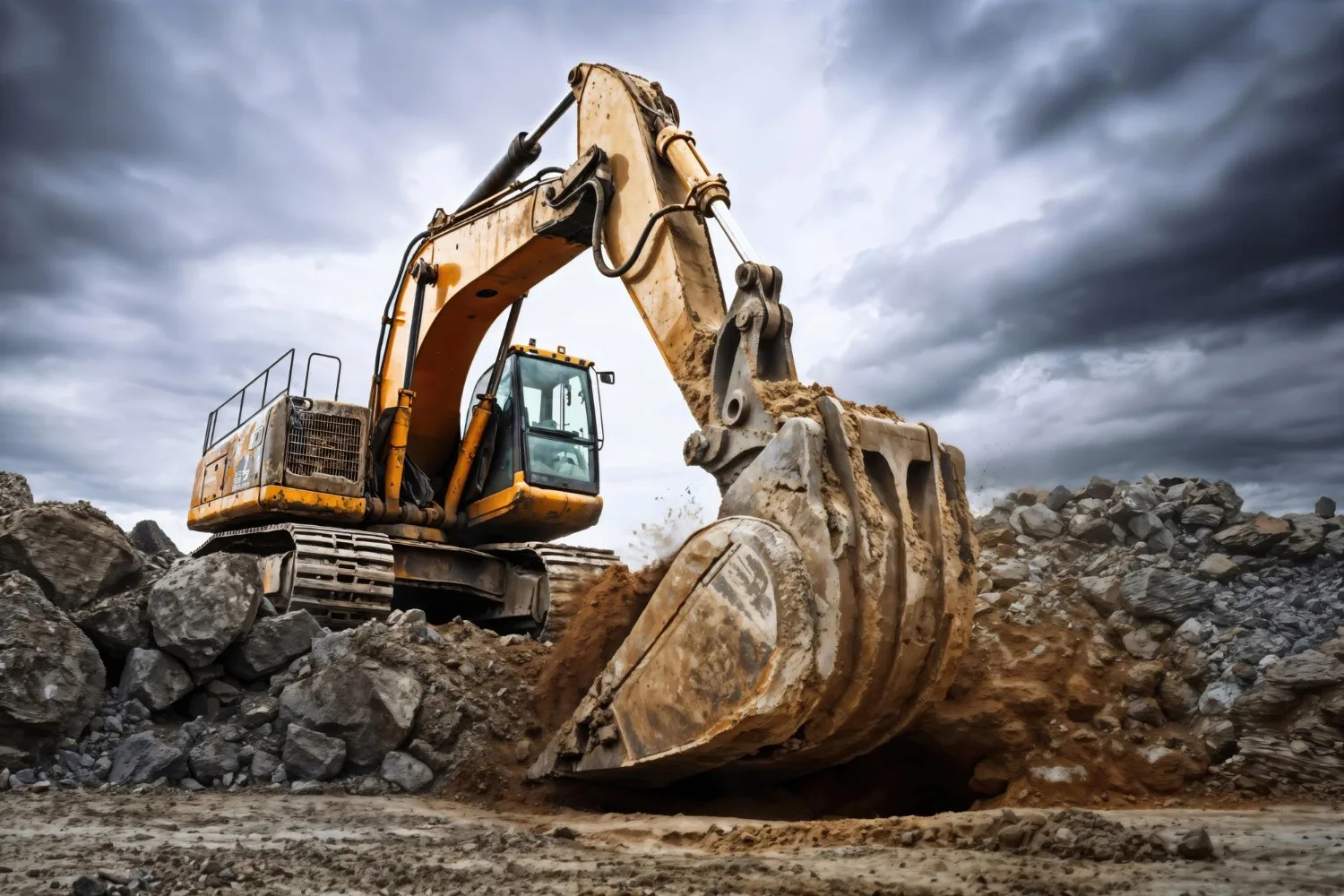
A project timeline that looks perfect on paper can shatter with the first deep frost. Suddenly, soil that was easy to move becomes as unyielding as low-strength concrete. The daily cost of a stalled project, from equipment rentals to labor and loan interest, can accumulate quickly. Yet, forcing the issue with the wrong equipment is a recipe for broken machinery, damaged utilities, and a budget that spirals out of control.
This is the central tension of winter construction. You cannot afford to stop, but you also cannot afford to proceed carelessly. The solution lies in understanding how frozen ground behaves and adapting your methods accordingly. Specialized techniques for excavation in cold weather are designed to work with these challenging conditions, not against them. These approaches prioritize precision and safety, which is critical when the ground hides what’s beneath.
- Data on the increased cost percentage for winter excavation versus summer.
- Statistics on frost heave damage or utility strike rates in frozen conditions.
- A verifiable figure on how deep frost can penetrate in different climate zones, from a source like the U.S. Army Corps of Engineers or a federal agency.
Quick answer: No, your project doesn’t have to stop. But you must plan for different methods, higher costs, and specific ground preparation. The key is to shift from conventional digging to techniques that can precisely and safely penetrate frozen earth without the risks of brute force.
What’s inside
- How does frozen ground actually change an excavation site?
- What are the primary risks of digging in winter?
- Which excavation methods work best in the cold?
- How should you adjust your project budget for winter work?
- What specific questions should you ask a contractor?
- Frequently asked questions about cold-weather digging.
────────────────────────────────────────
How does frozen ground actually change an excavation site?
Frozen ground transforms a site by turning soil and moisture into a solid, concrete-like mass, which dramatically increases the force required to dig and the risk of collateral damage. The change is not just about temperature; it is a fundamental shift in the material properties of the earth itself. As water in the soil freezes, it expands, binding sand, clay, and rock together with incredible force. This creates a substance that resists conventional digging tools.
The primary danger comes from this newfound rigidity. In normal conditions, soil is somewhat forgiving. A backhoe bucket might nudge a buried utility line without causing a break. But frozen ground transmits impact forces directly and unpredictably. A sharp blow from a machine can send a shockwave through the frozen soil, potentially cracking a brittle pipe or cable several feet away without ever making direct contact. This makes identifying the precise location of underground infrastructure more critical than ever.
- A statistic on the typical compressive strength of frozen soil, attributed to a source like the U.S. Army Corps of Engineers Cold Regions Research and Engineering Laboratory (CRREL).
- Data from the Common Ground Alliance or a similar body on the seasonal variation of utility strike incidents, showing if winter months have a higher rate.
- A verifiable figure on how deep frost can penetrate in different U.S. climate zones, from a source like the Federal Highway Administration.
This hardness also puts immense strain on excavation equipment. The hydraulic systems on backhoes and excavators are forced to operate at maximum pressure, leading to increased wear, potential hose failures, and even cracked buckets or broken teeth. Forcing the equipment is a common but costly mistake. The machine is not just fighting soil; it is fighting the tensile strength of ice.
❝ A useful way to think about it is to reclassify the job. Once the ground is frozen solid, you are no longer excavating soil; you are quarrying rock. This mental shift forces a re-evaluation of the tools, timeline, and safety protocols needed to do the job correctly without breaking equipment or buried assets.
────────────────────────────────────────
Which excavation methods work best in the cold?
The best methods for frozen ground bypass brute force in favor of precision, using either thermal energy to thaw the ground or pressurized water to cut through it safely. Relying on conventional digging with a backhoe or excavator is often inefficient and risky. The immense force required can damage the machine and, more importantly, shatter buried utilities that are made brittle by the cold.
Instead, the focus shifts to two primary strategies: preparing the ground for digging or using a method that works despite the frost. Ground-thawing blankets or hydronic heaters can be used to soften the earth before a conventional dig, but this adds significant time and cost. For surgical precision, especially around sensitive infrastructure, non-destructive methods are superior.
Here is a comparison of the most common approaches for winter work:
| Method | How It Works | Best For | Key Limitation |
| Conventional with Thawing | Ground heaters or thermal blankets warm the soil over 12 to 72 hours, allowing standard excavators to dig. | Large, open areas where time is not the most critical factor and no sensitive utilities are present. | Slow, energy-intensive, and can create muddy, unstable conditions as the ground thaws and refreezes. |
| Pneumatic (Air) Excavation | A high-pressure stream of air is used to break up and loosen soil, which is then removed by a vacuum. | Dry or loose soil conditions where introducing water is undesirable. | Less effective on heavily compacted or densely frozen clay soils; can create significant airborne dust. |
| Hydro Excavation | Pressurized, heated water cuts through the frozen soil, creating a slurry that is simultaneously vacuumed into a debris tank. | Precisely locating utilities (daylighting), digging post holes, or trenching in tight spaces or near fragile lines. | Requires on-site water and a plan for managing and disposing of the resulting slurry, especially in freezing weather. |
Hydro excavation is particularly effective because it uses thermal and kinetic energy to do the work. The heated water thaws the ground at the point of contact while the pressure cuts and removes the material. This avoids the shockwaves and brute force of mechanical digging that can damage buried lines. Protecting this infrastructure is not just a matter of avoiding repair costs. A damaged natural gas line, for instance, presents an immediate public safety hazard. The Occupational Safety and Health Administration (OSHA) has specific standards for locating and working safely around these underground utilities.
When evaluating a contractor for winter work, your questions should focus on their specific cold-weather procedures.
❝ Ask them how they plan to manage the hydro excavation slurry. In freezing temperatures, the water and soil mixture can quickly turn into a solid, unmovable block of ice in the truck’s debris tank or on your job site if not handled correctly. An experienced operator will have a clear plan for keeping the material fluid and for proper disposal.
Other critical questions include:
- What is your process for heating the water, and what is the target temperature for cutting frozen ground?
- How do you adjust your digging pressure when working near known utilities in frozen soil?
- What is your emergency protocol for a utility strike in sub-freezing conditions?
- Can you provide your site-specific safety plan for winter operations?
A red flag is any contractor who downplays the difficulty of digging in frozen ground or suggests that simply using a larger machine is the solution. This approach often leads to broken equipment and costly, dangerous mistakes.
────────────────────────────────────────
How should you adjust your project budget for winter work?
You should plan for winter excavation costs to be substantially higher, driven by slower productivity, increased fuel consumption, and specialized material handling. The budget increase is not a simple surcharge; it reflects the fundamental physics of working with frozen ground. Every step of the process, from breaking ground to disposing of the material, requires more time, energy, and specialized care.
The most immediate cost is energy. For hydro excavation, water must be heated, often to over 100°F, to effectively thaw and cut through frozen soil. This requires a constant input of fuel for the truck’s boiler system. Diesel equipment also consumes more fuel just to stay warm and prevent fuel gelling. Another factor is the slower work rate. The material properties of frozen earth are completely different from those of typical soil. Its hardness and density mean that even with the right equipment, the removal rate in cubic feet per hour is significantly lower. This directly translates to more hours on site for both labor and machinery. The complex behavior of frozen ground is a specific field of study for organizations like the U.S. Army Corps of Engineers’ Cold Regions Research and Engineering Laboratory.
Finally, managing the excavated material, or slurry, introduces logistical costs. In sub-freezing temperatures, this mixture of soil and water can freeze solid inside the vacuum truck’s debris tank, rendering the truck useless until it is thawed. To prevent this, contractors must use heated tanks, plan for immediate disposal at a suitable facility, or sometimes use special additives. These are not optional steps; they are essential for keeping the project moving and avoiding costly equipment downtime.
❝ When budgeting for winter work, stop thinking of “excavation” as one cost. Break it down. You now have separate, significant costs for “ground thawing,” “slow-rate material removal,” and “heated waste disposal.” This clarity prevents sticker shock and helps you compare bids more accurately.
These factors are not about a contractor inflating prices for the season. They are the tangible costs of fighting thermodynamics. A detailed bid for winter work should reflect these realities, showing a clear understanding of the challenges involved.
────────────────────────────────────────
Frequently Asked Questions About Winter Excavation
What temperature is too cold to dig? There is no single air temperature that stops work, but the critical threshold is when the ground itself freezes solid (32°F or 0°C). The real challenge comes from the depth of the frost, which is caused by sustained periods of freezing weather. Beyond the ground conditions, extreme cold with wind chill presents safety risks for personnel and can affect equipment performance, such as causing diesel fuel to gel or hydraulic fluids to become sluggish.
Can you excavate when the ground is frozen? Yes, excavation in frozen ground is a standard practice for projects that cannot wait for a spring thaw. This is common for emergency utility repairs, like a water main break, or for construction projects with strict, year-round deadlines. The key is that it requires abandoning conventional digging in favor of specialized methods, like hydro excavation, that are specifically designed to handle the material.
How deep does frost typically get? Frost depth, or the “frost line,” varies dramatically based on your geographic location, soil type, and moisture content. In some northern regions, it can penetrate several feet into the ground. Interestingly, a thick blanket of snow can act as an insulator, often resulting in a shallower frost line than on an exposed, cleared patch of land. Determining the expected local frost depth is a critical first step in planning any winter excavation.
Does hydro excavation work differently in winter? The core principle is the same, but the operational details are much more demanding. The water must be heated, and all pumps and hoses on the truck must be kept in constant circulation to prevent the system from freezing solid. Operators must also manage the steam created when hot water hits the frozen air, which can reduce visibility. It is a more intensive process that requires experienced crews and properly winterized equipment.
Are there unique environmental risks with winter excavation? Yes, managing the water and slurry is a primary concern. A spill of the excavated slurry can quickly freeze into a large, hazardous ice slick on the job site or adjacent areas. Because frozen ground does not absorb water, any runoff must be carefully contained to prevent it from flowing off-site. Proper containment measures are essential to ensure that when the ground eventually thaws, no contaminated material enters local storm drains or waterways.
────────────────────────────────────────
The Bottom Line on Winter Digging
Successfully excavating in winter is less about fighting the cold and more about working with its physical realities. The ground is no longer soil; it is a composite material that behaves more like rock. This requires a fundamental shift in approach, moving away from brute mechanical force and toward methods that use thermal energy to do the work. The challenge is not simply a matter of inconvenience or discomfort for the crew, but a complex engineering problem that demands specialized equipment and procedures.
The critical decision for any project manager is not choosing the biggest machine, but evaluating a contractor’s specific plan for managing the thermodynamics of the job. Their strategy for heating water, preventing equipment from freezing, and handling the excavated slurry is far more important than the horsepower of their truck. A project’s budget and timeline succeed or fail based on how well these logistical details are managed, not on how aggressively the frozen ground is attacked.
Ultimately, the key is to reframe the task. You are not just digging a hole. You are executing a thermal process in three parts: thawing the ground, removing the resulting material, and safely disposing of it before it refreezes. Budgeting and planning for these distinct stages transforms a high-risk seasonal gamble into a predictable, manageable operation.
────────────────────────────────────────
About the author
Biolein is a Denver-based firm providing specialized environmental and industrial services. For over 12 years, its teams have focused on hydro excavation, vacuum truck operations, and waste management for municipal, commercial, and construction clients. The company handles projects from precision digging near critical infrastructure to emergency spill response and drainage system maintenance. Operating across Colorado and nationwide, Biolein’s work is centered on operational safety, environmental compliance, and sustainable site management practices.