The Nostalgia Premium: How Classical Board Game Brands are Dominating the Digital Era
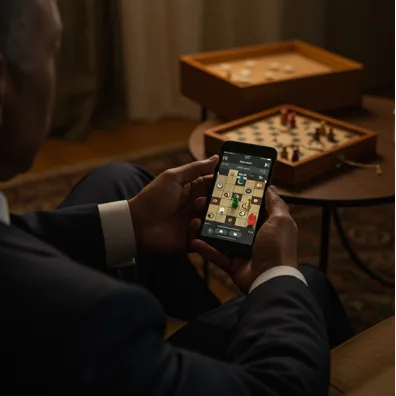
We all remember those rainy Sunday afternoons, gathered around a wooden dining table with a cardboard box that had seen better days. For decades, our favourite board games were tactile, physical things. They were defined by the clatter of plastic dice, the satisfying weight of metal tokens, and the inevitable disputes over who was acting as the banker. Those cardboard layouts and paper money piles were staple fixtures of family weekends, representing a classic form of entertainment that seemed timeless.
In recent years, however, a quiet revolution has taken place. Those beloved physical properties have made a highly successful transition to our screens, and they are not merely surviving; they are dominating. The global market for intellectual property licensing within digital entertainment has grown into a multi-billion-pound powerhouse. What began as simple digital ports on early home computers has matured into a sophisticated licensing ecosystem where classic physical board games have transitioned into premium digital assets.
This shift has been driven by a massive boom in intellectual property licensing. Industry giants like Hasbro, the minds behind some of the most enduring game brands on the planet, have shifted their corporate focus towards a digital-first licensing model. Rather than attempting to build massive in-house game development studios, they have partnered with leading digital developers and publishers.
This strategy has yielded extraordinary results. The mobile phenomenon Monopoly Go!, developed in partnership with Scopely, surpassed an astonishing two billion dollars in lifetime revenue in less than a year from its launch. That is not just a commercial success; it is a complete rewriting of the rules of modern entertainment. By licensing their classic intellectual properties to expert digital creators, legacy brands have created highly profitable revenue streams while keeping their traditional names relevant to modern audiences on platforms they use every single day.
Why Legacy Brands Monetise Nostalgia
How have these traditional brands managed to capture our attention so effectively in a saturated digital market? The secret lies in a highly calculated corporate strategy that taps into one of our most potent emotions: nostalgia.
Nostalgia is a remarkably powerful tool. When the modern world feels fast-paced and unpredictable, we naturally seek out things that feel comfortable and familiar. For many of us, the sight of a green property card, a silver top hat, or a yellow chance icon triggers positive memories of our younger years. These visual cues bypass our usual modern cynicism, instantly connecting us with memories of shared laughter and friendly competition.
For legacy board game brands, this emotional connection is a massive commercial advantage. When a company launches a new digital product, the biggest obstacle is almost always the cost of acquiring users. In an ocean of endless digital choices, standing out is incredibly difficult. If you are launching a completely new, unfamiliar concept, you have to spend millions on marketing just to explain the rules and build a following.
By contrast, when a game features a household name, the heavy lifting has already been done. Most of us already know the basic rules, what the symbols mean, and what the objective is. This pre-packaged familiarity lowers the barrier to entry, helping to reduce marketing costs and drive immediate engagement. The corporate strategy here is brilliant in its simplicity: take the proven, emotional pull of nostalgia, combine it with the instant access of modern digital platforms, and you have a recipe for long-term commercial success.
Rolling the Dice: Reimagining Classics for Real-Money Formats
Transitioning a classic physical game into a digital, real-money format requires much more than simply plastering a famous logo onto a screen. It demands an intimate understanding of the mechanics of engagement; specifically, how the core loops of a traditional board game can be adapted for wagering environments without losing the essence of what made the original game so appealing.
At their core, many of our favourite classic board games are built on mathematical systems of chance, strategy, and risk. Think about the classic property-trading game: you roll two dice, navigate a closed loop, manage your resources, and hope to land on high-value squares while avoiding costly penalties. It is a loop that naturally mirrors the mechanics of many digital casino games.
Game developers have taken these familiar systems and adapted them beautifully for modern platforms. We now see live-dealer games where a physical host spins a giant wheel, but the bonus rounds take players on a fully rendered virtual tour of a classic board. These hybrid formats combine the tactile familiarity of board game pieces with modern graphics and interactive features. It is a brilliant way to offer a unique style of play that feels both entirely new and reassuringly familiar.
Familiar Faces and Friendly Places: Catering to the Modern Casual Player
As the gaming audience continues to mature and expand, platforms have had to adapt to changing demographic demands. The modern player is no longer a niche hobbyist; they represent a broad, mainstream demographic that includes people from all walks of life. These players often look for casual, relaxing entertainment that does not require hours of learning complex rules, but still offers a sense of connection and community.
This is where the magic of cross-licensing really comes into play. For instance, when platforms like Monopoly Casino adapt classic branding for modern casino bingo games, they manage to attract a wider, mainstream demographic that values familiar gameplay mechanics in digital formats. Bingo has always been an incredibly social, easy-to-understand game, making it the perfect vehicle for a beloved intellectual property.
By wrapping a classic bingo format in the iconic aesthetic of property cards, train stations, and Community Chest bonuses, operators can make the entire experience feel warm and approachable. It takes away the unfamiliar, sometimes intimidating atmosphere of a standard online casino and replaces it with the friendly, lighthearted tone of a family game night. It is a masterful way to cater to players who want straightforward, engaging fun without the steep learning curves of more complex digital formats.
Keeping It Safe: Navigation and Compliance in the Licensed Gaming Space
While the rewards of this digital licensing strategy are clear, operating at the intersection of famous family brands and real-money gaming comes with a strict set of rules. Managing global, cross-licensed properties in a highly regulated digital market requires a flawless approach to compliance.
Both the IP owners and the operators must walk a fine line. It is absolutely vital that these classic brands, which carry decades of goodwill, are protected from any association with irresponsible behaviour. This means that every single digital adaptation must adhere to the strictest local and international advertising standards. In regions like the UK and Europe, regulators pay extremely close attention to how games are marketed, ensuring they do not appeal to minors or encourage unhealthy habits.
To maintain compliance, developers must ensure that their games are clearly restricted to adult audiences. This involves implementing robust age verification checks and ensuring that the visual style, while nostalgic, is firmly aimed at adults. Additionally, operators must weave responsible gaming tools directly into the fabric of the user experience. Features such as spend limits, session timers, and easy access to support resources like BeGambleAware are essential. By prioritising consumer safety and regulatory compliance, brands can ensure their digital legacy remains positive, sustainable, and respected for years to come.
Disclaimer: This article is intended for general informational and entertainment purposes only. It does not constitute financial, legal, or professional advice. Readers should conduct their own research and consult qualified professionals before making decisions related to products, brands, purchases, or investments discussed in this article.