Stussy in the UK vs Chrome Hearts in the US: A Streetwear Buyer’s Real Guide
Two Sides Of The Same Street Culture
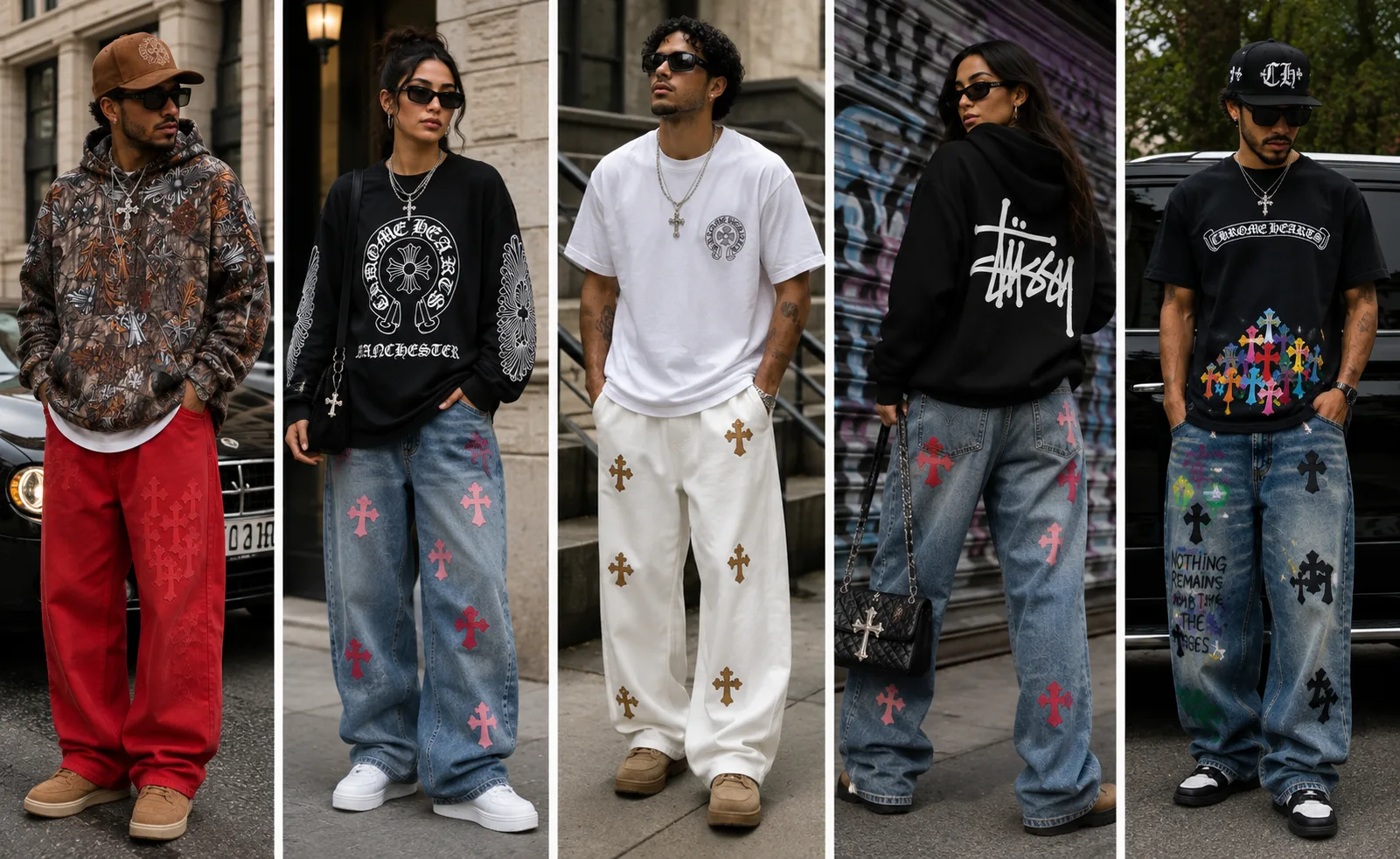
Streetwear pulls in two directions, and understanding both saves you real money. In the UK, Stussy sits as the accessible everyday staple, loved from Shoreditch to Manchester’s Northern Quarter. Meanwhile, across the Atlantic, Chrome Hearts rules the luxury end of American street style, handmade in Los Angeles and priced like fine jewellery. These two brands rarely share a wardrobe, yet plenty of buyers weigh them against each other. So let’s clear the fog. I’ve sourced both in London shops and LA showrooms, and the gap is enormous. A Stussy hoodie in the UK runs roughly £130 to £160. A Chrome Hearts hoodie in the States can hit $1,000 to $1,800. Because that difference is so wide, the smart question isn’t “which is better” but “which fits your life and budget.” Throughout this guide, I’ll keep things plain and honest. You’ll leave knowing exactly where your money belongs, whether you’re a UK skater after daily basics or a US collector chasing luxury craft.
Why Stussy Rules The UK High Street
Stussy earns its UK following honestly, and the roots run deep. Since 1980, when Shawn Stussy scrawled his signature on surfboards in Laguna Beach, the brand crossed into skate, hip-hop, punk, and club culture before most labels even existed. London actually sits among the original “Tribe” cities on the classic Stussy World Tour graphic, right alongside New York and Tokyo. So the connection to Britain isn’t marketing fluff; it’s history. Because the brand grew from real subculture, it never chased quick trends, so the designs never date badly. A stock logo tee from years back still looks sharp on a Manchester high street today. Meanwhile, the UK scene keeps the brand busy with drops that sell out fast, especially collaborations like the Wales Bonner capsule that blended surf heritage with British tailoring. Recent partnerships with Converse and Carhartt WIP landed well here too. Honestly, that’s the part I love most about the brand in Britain. It fits the understated, layered way UK street style actually works, rather than shouting for attention. So when you pull one on, you’re wearing decades of culture that genuinely speaks to the British scene, not a logo bolted on last season.
Reading Fit And Fabric Before You Buy In The UK
Getting the fit right matters most, so let’s break it down for UK sizing. Stussy runs relaxed and slightly boxy, cut on the oversized side. Want it snug? Size down one. Love that loose skate look? Stay true or bump up. Here’s a hands-on detail from years of handling stock: genuine UK pieces use tight, dense embroidered script at a consistent thread weight, so fakes give themselves away with loose threads and uneven letter spacing. The fleece density tells you too; real hoodies feel heavy in your hand at 380 to 430gsm brushed cotton-blend, well above thin fast-fashion runs. Before you commit, run these quick checks:
- Feel the fleece weight heavier gsm lasts longer and holds shape.
- Inspect the embroidered script for tight, even thread with no loose ends.
- Press the screenprint gently; quality graphics flex instead of cracking.
- Flip it inside out and scan the seams for messy stitching.
Those four steps take under a minute, yet they expose most fakes instantly. Furthermore, the Stussy range makes a good place to practise, since the weight is easy to feel through the fabric. Take your time with it.
Styling Stussy For The British Wardrobe
British weather demands layers, and that’s exactly where Stussy shines. Start with one focal piece and keep everything else calm around it. A bold graphic tee sits best under an open overshirt with plain jeans and clean trainers. A logo hoodie layers under a jacket when the drizzle rolls in, which, let’s be honest, is most of the year here. Because the designs already carry personality, you don’t need three loud items fighting at once. That’s the classic mistake. Instead, let one thing lead and build quietly around it. My own preference leans toward a neutral hoodie in ash heather or navy, since it goes with everything and suits the muted British palette. Meanwhile, for warmer stretches, the Stussy jackets range slots neatly over a tee without looking bulky. Layering adds real depth too, so try a tee beneath a shirt or a hoodie under outerwear. Suddenly a plain fit gains shape and interest. So trust one focal point, keep the rest understated, and you’ll look pulled together through every grey London morning without any fuss at all.
Where Chrome Hearts Fits The US Luxury Scene
Now let’s cross to America, because Chrome Hearts plays a completely different game. Founded in 1988 in Los Angeles, it started as a leather brand for bikers before Richard Stark built it into one of the most exclusive names in fashion. Every hoodie is handmade in LA from heavyweight garment-dyed cotton fleece, with signature cross patches, gothic lettering, and hand-applied details. This isn’t casual spending. It’s a considered US purchase for people who want craftsmanship and scarcity above all. If you want to see how the luxury side presents itself, the collection at Chrome Hearts shows just how far American streetwear stretches upmarket. Before you compare, here’s the honest split:
- Stussy delivers accessible UK everyday streetwear around £130 to £160 a hoodie.
- Chrome Hearts sits at US luxury, with hoodies often $1,000 to $1,800.
- Both use solid cotton, but the finishing, sizing, and exclusivity differ sharply.
- Chrome Hearts famously runs no seasonal sales and no official online store.
So weigh how you’ll actually use the piece. A daily UK hoodie and a rare US luxury statement serve two entirely separate jobs, and confusing those jobs is exactly how people overspend on clothes they barely wear.
Making Both Brands Last For Years
Good clothing rewards care, and that’s true on both sides of the ocean. Wash cold, turn graphics inside out, and skip the tumble dryer whenever you can. Because heat wrecks prints and cotton fibres, air-drying keeps colours deep and stops that slow fade. It takes longer, sure. Still, the payoff shows years down the line. Cotton-heavy pieces like these shrink in hot water, so cold washing protects your fit, which matters even more on a £150 Stussy hoodie or a four-figure Chrome Hearts one. I line-dry every graphic piece I own, and the prints stay crisp far longer than tumble-dried ones. Meanwhile, folding beats hanging for heavy hoodies, since hangers stretch the shoulders over time. Store them flat in a drawer instead. One more lesson from experience: wash new dark pieces separately for the first few cycles, because heavy garment dye loves bleeding onto lighter fabric. After that the colour sets. So handle your gear gently, and it’ll outlast trend after trend regardless of what you paid.
Spotting Fakes In A Flooded Market
Fakes swarm both brands, so knowing the signs protects serious money. Start with price. If a UK Stussy hoodie or a US Chrome Hearts piece looks impossibly cheap, it almost always is, and that instinct rarely lies. Next, study the logo closely. Genuine printing and embroidery sit clean and evenly spaced, while knockoffs botch font weight or letter spacing. Check the stitching too, because real pieces use tight, consistent seams with no threads dangling from the cuffs. Furthermore, fabric weight exposes fakes fast; authentic cotton feels substantial, whereas cheap copies feel thin and papery the moment you lift them. On Chrome Hearts specifically, the reinforced seams, thick drawcord, and dense ribbed cuffs signal the real thing. Tags matter as well, printed crisply and sewn straight, never crooked or fraying. Honestly, once you’ve handled a few genuine pieces, the fakes feel obvious the second you touch them. So slow down, buy from sellers you trust, and inspect everything before paying. A careful few minutes upfront beat a costly, frustrating mistake.
The Honest Downsides Worth Knowing
I won’t pretend either brand is flawless, because that helps nobody. On Stussy in the UK, here’s my honest limitation: the resale market has gone slightly wild. Hyped drops sell out in minutes, then reappear on Depop an hour later at double the price, so the “hype tax” is real if you chase specific pieces. The relaxed, boxy fit won’t suit everyone either; if you prefer slim, tailored cuts, it may always feel too loose. On Chrome Hearts in the US, the limitation is obvious: the price. Four figures for a hoodie prices most people out entirely, and with no official website, buying safely means navigating showrooms or trusted resellers carefully. Meanwhile, that scarcity is the whole appeal for collectors, so it cuts both ways. Still, both brands deliver genuine quality for what they are. Just walk in aware of the trade-offs rather than chasing hype blindly. That clear-eyed approach means whatever lands at your door actually makes you happy, instead of leaving you wondering why you spent the money.
Final Words
Streetwear doesn’t have to confuse you or drain your account. In the UK, Stussy earns its spot as a durable, culturally grounded everyday staple that suits the layered British scene beautifully. In the US, Chrome Hearts serves collectors chasing handmade LA luxury and rare detailing. So figure out which world you’re shopping in first, then check the fabric and stitching before you buy, and care for each piece once it’s yours. Do that, and your wardrobe stays sharp for years, whatever your budget. That’s the smartest way to shop on either side of the Atlantic.
FAQs
How much is a Stussy hoodie in the UK?
Standard hoodies typically run around £130 to £160. Collaborations and limited drops usually cost more and sell out fast.
Does Stussy run big or small?
It runs relaxed and slightly boxy. Size down one for a snug fit, or stay true and size up for that loose skate look.
Why is Chrome Hearts so expensive in the US?
Every piece is handmade in Los Angeles in limited runs, with no seasonal sales. Hoodies often land between $1,000 and $1,800.
How do I stop my hoodie shrinking?
Wash cold and air-dry it. Both brands use cotton-heavy fabric that shrinks in hot water or on high dryer heat.
How do I spot a fake?
Check price, logo printing or embroidery, stitching, and fabric weight. Real pieces feel substantial with clean, even seams; fakes feel thin and sloppy.