How Rail Travel Supports Sustainable Transport Goals Across the UK
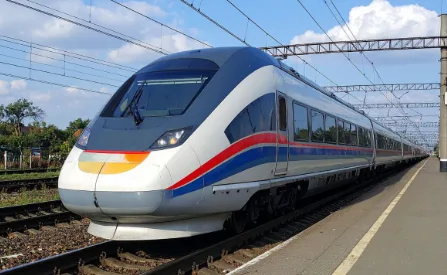
Sustainable rail travel in the UK starts with choosing the train when it offers a practical alternative to driving or flying. For commuters, families and leisure travellers, that choice can support wider national transport goals.
The benefits go beyond a single journey. Rail can move large numbers of people efficiently, connect towns and cities, and reduce pressure on busy roads. It also gives travellers a realistic way to make lower-carbon choices without giving up convenience.
Why Sustainable Rail Travel Around The UK Matters
Transport remains one of the UK’s largest sources of greenhouse gas emissions. Domestic transport produced 30% of the country’s domestic emissions in 2024. Road vehicles remained the main source within that total.
Rail is not emission-free. However, its ability to carry many passengers on one service makes it important within a balanced transport system.
The latest rail figures show that passenger train emissions averaged 31 grams of carbon dioxide equivalent per passenger kilometre in 2024–25. That figure fell by 2% from the previous year.
Every journey will inevitably differ. Train type, passenger numbers, route, and energy source all affect the precise environmental impact. Even so, using rail more often can help reduce dependence on private cars for suitable journeys.
How Rail Supports Goals For Green Transport in the UK
A greener transport system needs more than cleaner vehicles. It also needs reliable alternatives that people can use every day.
Reducing Reliance on Private Cars
Many rail journeys begin and end near town centres, workplaces, universities, or visitor attractions. This makes trains useful where parking, congestion, and fuel costs create extra pressure.
Travellers can strengthen that benefit by walking, cycling, or using local buses at either end. Combining several public transport options can make the full journey less dependent on a car.
Connecting Communities More Efficiently
Rail links major cities with smaller towns and regional centres. These connections help people reach jobs, education, healthcare, and leisure opportunities without driving the full distance.
Good connections can also support more inclusive travel. Young people, older passengers, and those without a car gain access to more destinations.
Supporting Cleaner Movement of Goods
Passenger travel receives most public attention, but freight rail also supports ambitions for green transport in the UK. Moving suitable goods by rail can reduce the need for long-distance lorry journeys on major roads.
A strong rail network therefore supports both personal mobility and wider supply chains.
Improvements to Railway Sustainability Across The UK
Rail’s environmental role depends on continued improvement. The industry must reduce its own emissions while making services dependable and attractive.
Cleaner Energy and Electrification
Electric trains can benefit as the UK’s electricity supply becomes cleaner. Further electrification can also reduce reliance on diesel across suitable parts of the network.
Network Rail aims to achieve net-zero railway emissions by 2045 in Scotland. Its target for the rest of Britain is 2050.
Its plans include lower fossil-fuel use, improved air quality, and greater use of renewable, low-carbon energy.
More Efficient Stations and Infrastructure
The diligent and ongoing work to ensure the greatest possible railway sustainability across the UK also covers stations, depots, offices, and construction projects. Energy-efficient lighting, better heating controls, and lower-waste maintenance can reduce their operational impact.
Climate resilience matters, too. Flooding, extreme heat, and severe weather can disrupt services and damage infrastructure.
Smarter drainage, stronger assets, and careful vegetation management can help the railway adapt to changing conditions.
Protecting Nature Along Rail Corridors
Railway land includes embankments, cuttings, and trackside habitats. Careful management can support wildlife while maintaining safe sightlines and access.
The best approach balances environmental protection with reliable operations. Poorly managed vegetation can affect signals, structures, and overhead lines.
Steps to Ensure Practical Low-Carbon Travel Around The UK
Passengers do not need to redesign every journey. Small and repeatable choices can make rail easier to use.
- Compare train times before deciding to drive.
- Check whether a direct service reduces changes and waiting.
- Use buses, walking, or cycling for the final part.
- Add a Railcard when eligible.
- Compare fixed, flexible, and split-ticket options.
- Book earlier when Advance fares suit your plans.
- Check live travel information before leaving home.
- Consider rail for city breaks and longer domestic journeys.
Price often affects whether people choose the train. Nationalrail.com helps travellers compare ticket types, Railcard options, slower services, and split-ticket opportunities.
The website works with a ticketing partner to complete bookings and deliver tickets to mobiles or ticket machines.
This practical approach supports efforts to ensure realistic low-carbon travel up and down the UK. A cheaper, well-planned rail journey can feel easier than organising fuel, parking, and road stops.
Why Affordable Rail Travel Supports Lasting Change
Sustainability depends on regular habits, not one-off decisions. People are more likely to keep using rail when journeys feel simple, reliable, and fairly priced.
Split ticketing may help passengers save money on some routes. This method divides one journey into separate tickets, often without requiring the passenger to change trains.
Railcards can also reduce eligible fares. Different cards support students, families, younger travellers, older passengers, and other groups.
Travellers should compare the full journey rather than only the headline price. Departure time, flexibility, changes, and local connections all affect the overall value.
Clear guidance matters here. Websites such as Nationalrail.com can help passengers understand their options and avoid paying more than necessary.
Making Greener Rail Journeys Easier
Planning ahead can remove many of the concerns that discourage people from travelling by train.
Start by checking several departure times. A slightly earlier or later service may offer a lower fare or fewer changes.
Next, compare ticket conditions carefully. An Advance ticket might cost less, but it usually ties the passenger to a specific service. Flexible tickets may suit journeys where plans could change.
Passengers should also check how they will reach their final destination. Knowing the local bus route, walking distance, or taxi options can help prevent a last-minute switch to driving.
These simple checks make sustainable travel more convenient. They can also help passengers control costs and avoid common booking mistakes.
Conclusion
Rail has an important role in the UK’s shift towards cleaner and more connected transport. It can help reduce car dependence, link communities, and support more efficient movement across the country.
Continued improvements to cleaner energy, resilient infrastructure, and reliable services will strengthen that role. Passengers can contribute by choosing rail where practical and planning each journey carefully.
National-level goals to deliver truly sustainable rail travel in the UK become achievable when greener choices also feel affordable, understandable, and convenient.