Commercial Pilates Reformer vs Home Reformer: What’s the Difference and Which Should You Choose?
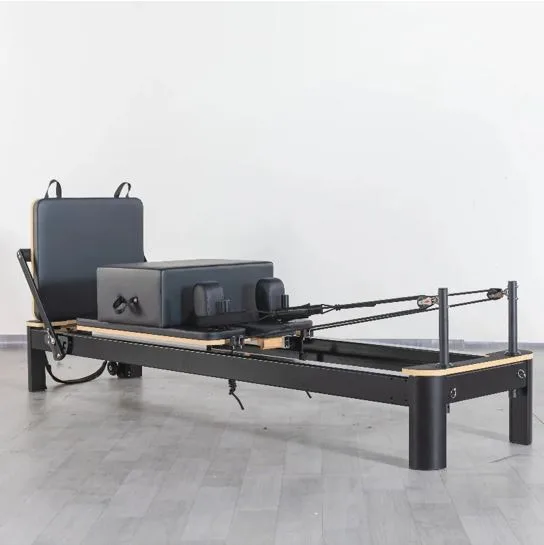
As Pilates continues to grow in popularity, more people are investing in reformer-based training, from individual home users to professional Pilates studios, rehabilitation centers, and wellness facilities. However, one common question remains: What is the difference between a commercial Pilates reformer and a home reformer?
At first glance, many reformers may look similar. Both use a moving carriage, springs, foot bar, and straps to provide resistance-based Pilates exercises. However, the differences become clearer when considering durability, usage frequency, adjustability, maintenance, and long-term performance.
For home users, convenience and space efficiency are often the main priorities. For businesses, reliability and user experience are usually more important because equipment may be used by dozens of clients every day.
Understanding these differences can help you choose the right equipment for your needs, whether you are opening a Pilates studio, upgrading your fitness facility, or creating a dedicated home workout space.
What Is the Difference Between a Commercial Pilates Reformer and a Home Reformer?
A commercial Pilates reformer is designed specifically for professional environments where equipment needs to handle frequent daily use. These machines are commonly found in Pilates studios, gyms, rehabilitation clinics, hotels, and wellness centers.
A home reformer, on the other hand, is generally designed for personal training. It focuses more on space-saving design, affordability, and occasional use.
The biggest difference is the level of durability and performance required.
For example, a Pilates studio may operate multiple classes per day, with each reformer being used by different clients with different body types, fitness levels, and exercise habits. In this situation, the equipment needs stronger materials, smoother movement systems, and easier adjustments.
A home user may only train a few times per week, meaning the equipment does not experience the same level of stress.
Commercial models often feature:
Reinforced aluminum or hardwood frames
More durable spring systems
Higher weight capacity
Commercial-grade upholstery
Enhanced adjustment options
Easier maintenance access
According to the American College of Sports Medicine (ACSM), resistance training and functional movement exercises remain important components of modern fitness programs. Pilates reformers support controlled resistance training, making them suitable for a wide range of users when properly instructed.
How Do Commercial and Home Pilates Reformers Compare?
Although both types of reformers follow the same Pilates principles, their construction and intended applications are different.
| Feature | Commercial Pilates Reformer | Home Pilates Reformer |
| Primary Use | Studios, gyms, rehabilitation centers | Personal home workouts |
| Usage Frequency | Multiple sessions daily | Several times per week |
| Frame Construction | Heavy-duty aluminum or hardwood | Lightweight materials |
| Durability | Designed for frequent professional use | Designed for individual use |
| Adjustability | More professional adjustment options | Basic adjustments |
| Maintenance | Easier replacement and servicing | Less frequent maintenance |
| Price Range | Higher initial investment | More budget-friendly |
Frame and Construction
The frame is one of the most noticeable differences.
Commercial reformers often use stronger aluminum alloys or premium hardwood materials because stability is essential during professional classes.
For example, in a boutique Pilates studio, instructors may demonstrate advanced movements requiring a stable platform. A stronger frame helps create confidence for both instructors and clients.
Carriage Movement
Smooth carriage movement is essential for Pilates training.
Commercial models usually include higher-quality wheels, bearings, and rail systems designed to maintain consistent movement after thousands of repetitions.
A quieter and smoother carriage also improves the overall studio atmosphere, especially in group classes where multiple machines operate simultaneously.
Adjustability and User Experience
A commercial Pilates reformer needs to accommodate different users.
A professional instructor may teach:
Beginners learning basic movements
Athletes improving strength and flexibility
Older adults working on mobility
Rehabilitation clients recovering under professional guidance
Therefore, adjustable foot bars, ropes, springs, and accessories become valuable features.
Appearance and Branding
For many boutique studios, equipment appearance also matters.
Premium wooden reformers can complement luxury interiors, while aluminum reformers may better suit modern fitness spaces focused on efficiency and durability.
Who Should Choose a Commercial Pilates Reformer?
A commercial Pilates reformer is usually the better choice for businesses or users who expect frequent and diverse usage.
Pilates Studios
Studios are the most common users of commercial reformers.
A typical studio may need equipment that supports:
Group classes
Private sessions
Instructor demonstrations
Different client experience levels
Reliable equipment helps studios maintain consistent class quality.
Gyms and Wellness Centers
Many fitness facilities add Pilates services to attract new members and expand their training options.
Commercial reformers allow these businesses to offer professional Pilates sessions without replacing equipment frequently.
Rehabilitation Clinics
Rehabilitation professionals often use reformer-based exercises because the equipment allows controlled resistance and progressive movement.
However, exercise selection should always be based on professional assessment and individual client needs.
Hotels and Luxury Wellness Facilities
High-end hospitality businesses often use Pilates equipment to enhance their wellness services.
In these environments, equipment design, comfort, and appearance can influence the overall guest experience.
For businesses looking for professional-grade solutions, CoreFlow provides a range of Commercial Pilates Reformer options designed for studios, fitness facilities, and wellness businesses.
Is a Commercial Pilates Reformer Worth the Higher Investment?
The higher price of a commercial Pilates reformer often reflects differences in materials, engineering, and expected usage.
For businesses, the decision should be based on long-term value rather than only the initial purchase cost.
Consider this example:
A studio with six reformers operating five classes per day creates thousands of equipment usage cycles every year. In this environment, a machine designed for occasional home workouts may experience faster wear.
A commercial reformer may provide benefits such as:
Fewer equipment interruptions
Better client experience
More consistent training sessions
Lower replacement frequency
For home users, however, purchasing a commercial model may not always be necessary. If the equipment will only be used occasionally and space is limited, a quality home reformer may better match their needs.
The right choice depends on usage frequency, budget, available space, and long-term goals.
How to Choose the Right Commercial Pilates Reformer for Long-Term Use?
Before purchasing a commercial Pilates reformer, consider several important factors:
1. Evaluate Your Usage Scenario
Ask:
How many people will use the equipment daily?
Will it be used for group classes or private training?
Will beginners and advanced users share the equipment?
2. Check Material Quality
Look for:
Strong frame construction
Durable upholstery
Reliable spring systems
Smooth carriage operation
3. Consider Future Expansion
Studios often grow over time.
Choosing equipment with accessory compatibility, replacement parts availability, and customization options can make future expansion easier.
4. Work With an Experienced Manufacturer
A reliable manufacturer can provide:
Product consistency
Technical support
OEM customization
After-sales service
CoreFlow specializes in professional Pilates equipment manufacturing, helping global fitness businesses select suitable reformer solutions based on their operational requirements.
Conclusion
The difference between a commercial Pilates reformer and a home reformer comes down to intended use, durability requirements, and long-term performance.
Home reformers can be an excellent option for personal fitness, while commercial models are designed for environments where equipment must support frequent use and diverse clients.
For Pilates studios, gyms, rehabilitation centers, and wellness facilities, investing in the right commercial Pilates reformer can help create a more professional training environment and support business growth.
Before making a decision, consider your users, training frequency, space, maintenance expectations, and future plans. Choosing equipment that matches your actual needs will provide better value over time.
FAQs
Can I use a commercial Pilates reformer at home?
Yes. A commercial Pilates reformer can be used in a home environment, especially for users who want professional-level equipment and have enough space. However, many home users may not need all commercial features, so the choice should depend on training frequency, budget, and available space.
Why are commercial Pilates reformers more expensive than home models?
Commercial Pilates reformers usually cost more because they use stronger materials, more durable components, advanced adjustment systems, and designs intended for frequent daily use. The additional investment mainly reflects higher durability and professional performance requirements.
What is the average lifespan of a commercial Pilates reformer?
The lifespan of a commercial Pilates reformer depends on construction quality, usage frequency, and maintenance. With regular cleaning, inspections, and proper care, many professional-grade reformers can remain functional for many years in studio environments.