Greensboro Veterans Disability Benefits: Claims, Ratings & Appeals
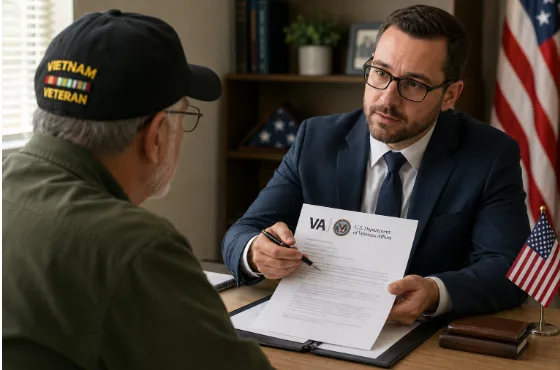
For many veterans, applying for disability compensation is not simply another government form to complete. A service-related injury or illness can affect employment, family responsibilities, medical care, and long-term financial stability. The difficult part is often proving the connection between the current condition and military service while presenting medical and service records in a way that supports the claim. Veterans in Greensboro and the surrounding Triad area have several ways to seek assistance with VA benefits. A claim may involve an initial application, a request for a higher rating, or a review after the Department of Veterans Affairs has denied or partially granted a benefit. Understanding the process before taking the next step can help prevent avoidable mistakes.
Understanding What VA Disability Compensation Actually Covers
VA disability compensation is generally intended for veterans whose current disabilities are connected to qualifying military service. The VA assigns a disability rating based on the severity of a service-connected condition, and that rating affects monthly compensation and eligibility for certain other VA benefits. When a veteran has multiple service-connected conditions, the VA uses a combined-rating calculation rather than simply adding every percentage together. That distinction matters.
For example, a veteran could have several conditions that appear to add up to more than the final combined rating. The VA’s calculation method is not ordinary arithmetic, so reviewing the rating decision carefully can reveal whether the assigned percentages and effective dates accurately reflect the evidence.
A claim can also involve more than a physical injury. Depending on the circumstances and applicable VA rules, veterans may seek compensation for conditions involving the musculoskeletal system, hearing, respiratory health, neurological problems, mental health, or other disabilities connected to service. The key issue is evidence. A diagnosis by itself does not automatically establish entitlement to compensation. The claim generally needs evidence addressing the current disability, the relevant service connection, and the relationship between the two.
The Evidence That Can Strengthen a Veterans Disability Claim
Strong VA claims are built around evidence rather than assumptions. Medical documentation can establish the existence and severity of a condition, while military records may help establish what happened during service. A Greensboro veteran should think about the evidence as a connected story. What happened during service. What symptoms appeared afterward. What treatment occurred. How the condition affects ordinary activities or employment. How current medical findings relate to the earlier history.
Important evidence may include:
- Service treatment records and personnel records.
- Current medical records and diagnostic reports.
- Statements describing symptoms and their effects.
- Statements from people who personally observed changes in the veteran.
- Medical opinions addressing the relationship between a condition and service.
- Previous VA decision letters and examination reports.
- Records showing changes in the severity of a service-connected condition.
One common weakness is a gap between a veteran’s history and the medical evidence. If a veteran reports that symptoms began during service but the record does not explain the timeline, the VA may have questions about the connection. That does not automatically mean the claim is hopeless. It means the evidence should be examined carefully and additional relevant documentation may be needed.
Where a Greensboro VA Disability Lawyer Can Add Value
A veteran can file a VA claim without an attorney. The VA also recognizes assistance from accredited attorneys, claims agents, and Veterans Service Organizations. Legal representation can become particularly useful when the issue is no longer a straightforward application.
A Greensboro VA disability lawyer may review the decision notice, identify disputed issues, examine the medical and service evidence, and determine which review path fits the circumstances. This can be especially important when the VA has accepted that a condition exists but disputed service connection, assigned a lower rating, or selected an effective date that the veteran believes is incorrect.
The value of legal help is not simply completing paperwork. The more important question is whether the evidence and arguments directly address the reason for the VA’s decision. For instance, if the VA denied a claim because the evidence did not establish a service connection, submitting more records showing only the current diagnosis may not solve the central problem. The additional evidence needs to address the specific deficiency identified in the decision. That distinction can make an appeal substantially more focused.
Choosing the Right Review After a VA Denial
A denial does not necessarily end a veteran’s claim. Under the modern VA decision-review system, there are three primary options: Supplemental Claim, Higher-Level Review, and Board Appeal.
| Review option | Best suited for | New evidence allowed? |
| Supplemental Claim | New and relevant evidence is available | Yes |
| Higher-Level Review | An error or disagreement exists in the prior decision | No |
| Board Appeal | A veteran’s law judge should review the case | Depends on the selected board lane |
A supplemental claim can be appropriate when new and relevant evidence could change the outcome. VA guidance states that veterans can submit new evidence with this type of review. A higher-level review takes a different approach. The higher-level reviewer examines the existing record, and new evidence cannot be submitted through this lane. VA currently states that most higher-level review requests must be made within one year of the applicable decision date. A board appeal places the matter before a Veterans Law Judge. VA identifies three board options, including direct review, evidence submission, and hearing. The appropriate option can depend heavily on the evidence and the veteran’s objectives.
Why the C&P Examination Deserves Serious Preparation
A compensation and pension examination can become an important part of a disability claim. The examination is used to assess relevant medical information and the severity or relationship of a claimed condition. Preparation does not mean rehearsing answers or exaggerating symptoms. It means being accurate and consistent.
A veteran should understand the condition being claimed, remember the relevant history as accurately as possible, and explain how the condition affects ordinary life. Symptoms that occur intermittently should not be ignored simply because they are absent on the examination day.
The examiner’s report should also be compared with the rest of the record. If an examination contains factual inaccuracies, omits important history, or reaches a conclusion that appears inconsistent with the available evidence, that issue may deserve further review. This is one area where simply saying “the C&P exam was bad” is not enough. A stronger approach identifies exactly what information was incorrect, missing, or unsupported.
Rating Increases Require More Than Saying a Condition Got Worse
A veteran who already has a service-connected disability may later experience increased symptoms or functional limitations. In that situation, the relevant question is not merely whether the veteran feels worse. The evidence should show the current severity of the condition and its practical impact.
Medical records can document changes over time. Treatment history can show increased care needs. Diagnostic testing may demonstrate progression where appropriate. Statements from the veteran and people familiar with the condition can provide useful context about everyday limitations. The VA states that disability ratings are based on the severity of service-connected conditions. A rating can also affect eligibility for other VA benefits.
That makes the actual rating criteria important. A veteran should compare the medical evidence with the criteria applicable to the particular disability rather than relying only on a general belief that the rating is too low.
Effective Dates Can Be Just as Important as the Rating
Many veterans focus heavily on the percentage assigned and overlook the effective date. The effective date determines when an awarded benefit begins. An error involving that date can have a significant financial effect, particularly when a claim or appeal has remained unresolved for a long period. This is why a VA decision should be reviewed issue by issue. The veteran should look at the service connection determination, percentage, effective date, and explanation for each disputed condition.
If the VA decision is unfavorable, timing also matters. VA states that for most benefits, veterans generally have one year from the date on the decision letter to request a higher-level review or board appeal. A supplemental claim can be filed later, but the VA recommends filing within one year when possible to help preserve the effective date.
Local Resources and the Greensboro Veteran Community
Greensboro veterans are part of a larger Triad community that includes High Point, Winston-Salem, and surrounding Guilford County communities. Local veterans’ assistance organizations and accredited representatives may provide valuable help with claims and benefits. One competitor source reports that Guilford County has more than 29,000 veterans and points to veterans’ service offices serving Greensboro and High Point.
That local context matters because veterans do not always need to begin with paid legal representation. A qualified VSO or accredited representative may be an appropriate starting point for some straightforward claims. For complicated appeals, repeated denials, disputed medical opinions, significant rating issues, or questions involving legal interpretation, an attorney experienced in veterans benefits may provide a different level of case analysis. The important point is to choose assistance based on the actual problem rather than assuming every claim needs the same strategy.
A Practical Review Checklist Before Filing an Appeal
Before choosing a review option, take time to organize the case.
- Read the complete VA decision letter, including the reasons and bases for each determination.
- Identify every condition that was denied, underrated, or assigned a disputed effective date.
- Gather relevant service and medical records.
- Compare the decision with the evidence already submitted.
- Identify whether the problem involves missing evidence, an apparent factual error, a medical opinion, service connection, severity, or an effective date.
- Check the deadline stated in the VA decision letter.
- Consider whether an accredited attorney, claims agent, or VSO representative should review the case.
This process can reveal something important: the strongest argument is not always the argument the veteran initially thinks should be made.
How to Evaluate a Veterans Disability Attorney in Greensboro
Choosing a lawyer should involve more than looking at advertisements or promises about obtaining a particular rating. Ask about experience with VA disability claims and appeals. Ask who will actually handle the case. Ask how the firm evaluates medical evidence. Ask how fees work and what services are included. It is also reasonable to ask whether the attorney regularly handles the type of issue involved in your claim.
For example, a lawyer experienced primarily in personal injury litigation may not have the same depth of experience with VA decision reviews as an attorney who regularly works with veterans benefits. Veterans law has its own statutes, regulations, evidentiary standards, and appellate procedures. The best representation should begin with an honest assessment of the evidence, including weaknesses. No attorney can ethically guarantee a particular VA rating or outcome. A trustworthy legal review should explain both the strengths and potential problems in a case.
Conclusion
VA disability benefits can provide important financial support to veterans dealing with conditions connected to military service. Yet the outcome of a claim often depends on how clearly the evidence addresses the specific issues identified by the VA. For Greensboro veterans, the smartest first step is to understand the decision, organize the evidence, identify the actual point of disagreement, and select the review process that fits the case. A careful review can also reveal whether additional medical evidence, service records, statements, or legal arguments are needed. Veterans do not have to treat a denial or low rating as the final word. The VA provides established review procedures, and qualified accredited representatives can assist veterans in presenting their cases. When a case involves complicated evidence, repeated denials, disputed ratings, or significant questions about the applicable VA rules, speaking with an experienced veterans benefits attorney in Greensboro may help clarify the available options and the evidence needed to pursue them.