The $1 Billion Playbook: How Modern Athletes Are Structuring Equity Deals Over Endorsements
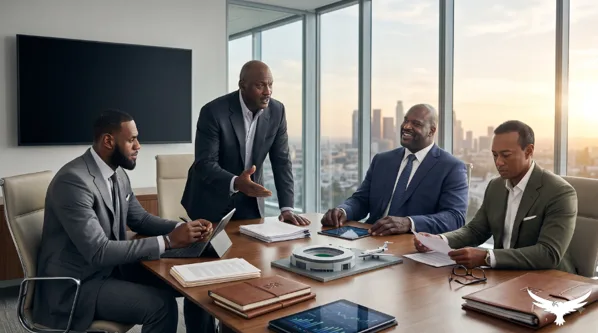
An athlete’s earning window is brutally short. Most professional sports careers end before a player reaches the age of thirty-five. This harsh reality forces players to think about money differently. The days of signing a basic shoe deal and retiring on those savings are entirely gone.
Today, the world’s top athletes play a different financial game. They want real ownership. They gladly trade upfront cash for equity, stock options, and board seats. This massive shift in strategy is exactly what turns regular millionaires into actual billionaires.
The Death of the Flat-Fee Endorsement
In the 1990s, a sports agent had one primary job. They needed to get the client the biggest cash payout possible. A soda company would offer an athlete two million dollars to hold a can on television. The athlete took the money, paid their taxes, and moved on to the next deal.
The brand, however, kept all the long-term profits. If the athlete’s commercial doubled the company’s sales, the athlete did not see another dime.
Now, athletes understand the true value of their influence. They know their face and name move products off the shelves. Instead of a simple flat fee, they ask for a percentage of the business. If the company grows because of the athlete’s fame, the athlete’s net worth grows right alongside it. This equity model is the only reliable path to building a billion-dollar net worth.
Michael Jordan and the Blueprint for Ownership
You cannot talk about athlete wealth without looking closely at Michael Jordan. He built the foundation for every modern sports billionaire we see today.
Jordan did not take a standard flat fee from Nike back in 1984. His legal team negotiated a unique revenue-sharing deal for the Air Jordan shoe line. Every time a pair of sneakers sold, Jordan got a direct cut. This single deal continues to pay him hundreds of millions of dollars every single year.
But his real wealth explosion came from team ownership. Jordan bought the Charlotte Hornets for $275 million in 2010. He held the team, grew its value, and sold his majority stake years later at a massive $3 billion valuation. This specific move cemented Michael Jordan’s $4.3 billion empire. It proved to the world that athletes should own the teams, not just play for them.
LeBron James and the Modern Mogul Strategy
LeBron James watched Jordan’s business moves closely. He took the equity model and scaled it to a new level. James rarely signs a deal today without getting a piece of the pie.
When Beats by Dre approached James years ago, he took equity instead of a standard endorsement fee. When Apple later bought Beats for $3 billion, James earned a massive cash payout. This one smart move made him more money than multiple years of his NBA salary combined.
James also clearly understands the power of sports ownership. He traded his marketing rights with Fenway Sports Group for actual shares in the company. Because of this strategic move, he now owns small pieces of the Boston Red Sox and Liverpool FC. These equity plays are the main drivers behind LeBron James’s $1.4 billion net worth. He is building real generational wealth while still dominating on the court.
Shaquille O’Neal and the Power of Franchising
Shaquille O’Neal took a slightly different path to ownership. He focused heavily on the franchise model and direct brand investments.
Shaq realized early in his career that big sports checks stop coming when you retire. He started buying into proven, working business models. He owned hundreds of Five Guys burger locations. He bought car washes, fitness centers, and Papa John’s pizza stores across the country.
O’Neal also joined the board of directors for Papa John’s. He gets paid in company stock options to help guide the brand. He trades his famous image and business advice for actual ownership shares. This smart strategy helped build Shaquille O’Neal’s $500 million net worth. He successfully turned his massive fame into a huge portfolio of real, physical businesses.
Tiger Woods and the Tech Evolution
Professional golfers have always had very long careers. Tiger Woods used his decades at the top of the sport to build a massive business portfolio. But he is not just doing traditional golf club endorsements anymore.
Woods is now heavily invested in technology and real estate. He helped launch a high-tech mini-golf venture that is expanding globally. He also partnered with Rory McIlroy to create TGL, a brand new technology-driven golf league.
Woods is a primary owner of this new league, not just a participant. By building his own sports league, he controls the broadcast rights, the massive sponsorships, and the ticket sales. This is the ultimate form of equity. You do not just own a small piece of a brand. You own the entire platform. This forward-thinking strategy keeps Tiger Woods net worth sitting strong at $1.5 billion.
Why Brands Want to Give Athletes Equity
You might wonder why a company would give away parts of its business to a sports star. The answer is incredibly simple. Capturing human attention is expensive.
New startups struggle every day to get people to notice their products. Paying for internet ads costs an absolute fortune. But if a highly famous athlete posts a product on social media, millions of people see it instantly.
Giving an athlete equity aligns everyone’s business goals. If the athlete just gets cash, they post the ad and completely forget about it. If the athlete owns five percent of the company, they truly care about the company’s success. They will talk about the product in television interviews. They will wear it in public constantly. They become true business partner. Brands save money on upfront marketing fees, and athletes get a chance at a massive payday later down the road.
The Role of Social Media in Equity Valuations
Athletes today carry millions of highly engaged followers right on their phones. Their social media accounts operate like massive broadcast television networks. This gives them incredible power at the negotiating table.
A startup does not just get the athlete’s face on a billboard. It gets direct access to fifty million loyal fans worldwide. The athlete can launch a new product to the masses with a single quick post.
This built-in global audience massively reduces the company’s ongoing marketing costs. In return for saving the company money, the athlete demands a much larger equity stake up front.
Understanding Vesting Schedules
Getting equity is not as simple as signing a piece of paper and walking away. The business world protects itself carefully. Athletes usually have to earn their company shares over time.
This process is called a vesting schedule. The athlete might get ten percent of a company on paper, but it unlocks slowly over a four-year period.
This system keeps the athlete fully engaged. They must continue to promote the brand year after year to get their full financial payout. It is a very smart way to ensure both sides stay completely committed to the long-term partnership.
The Rise of Athlete Venture Capital
This ownership trend is moving even faster right now. Athletes are no longer waiting around for companies to pitch them deals. They are stepping up and starting their own venture capital funds.
Players pool their money together to buy into early-stage technology companies. Kevin Durant and Serena Williams are prime examples of this move. They have investment firms that actively look for the next big app or software platform.
They use their massive fame to get into highly exclusive investment rounds. Tech founders want these specific athletes involved because it brings instant media attention to the new startup. The athletes get to buy shares at a very low price before the company eventually goes public.
The Power of Media Ownership
Another massive shift is media ownership. Top athletes are tired of traditional sports networks telling their personal stories. They want to control their own public narrative.
LeBron James started the SpringHill Company. Stephen Curry started Unanimous Media. They build real production companies to make their own hit movies and sports documentaries.
By owning the actual production company, they own the valuable rights to the content. They can sell these shows to streaming giants like Netflix or Amazon for massive, recurring profits. They are not just the hired actors in the show. They are the producers, the directors, and the ultimate owners.
The Risk of the Equity Game
This playbook is certainly not perfect. Equity deals come with major financial risks. If the company fails entirely, the equity is worth absolutely nothing.
Many athletes have lost millions of dollars backing the wrong startup idea. Cryptocurrency companies are a very recent example of this danger. Many sports stars took equity in crypto exchanges instead of cash. When those exchanges crashed, the athletes lost their entire investment and hurt their public image in the process.
This is exactly why smart athletes hire top-tier financial teams. They need experts to read the fine print on every contract. An equity deal is only good if the company has a real, mathematical path to success. The days of trusting a friend with a good idea are over. Athletes now run their personal wealth like Fortune 500 companies.
How the Next Generation Will Manage Wealth
Young athletes entering professional sports today have a huge advantage over the older generation. They have a very clear, proven roadmap to follow.
College athletes can now legally make money from their name, image, and likeness. They are learning how to negotiate brand deals before they even turn professional. By the time they sign their first major league sports contract, they already know exactly how to ask for equity.
We will see many more athletes becoming billionaires in the next ten years. The blueprint is out in the open for everyone to study. The athletes of tomorrow will demand ownership in the teams they play for. They will ask for stakes in the apparel brands they wear every day.
The entire business of sports has changed forever. The players are no longer just basic employees of the league. They are powerful business empires disguised as athletes.