Hidden Mold at Home: What You Should Know Before It Spreads
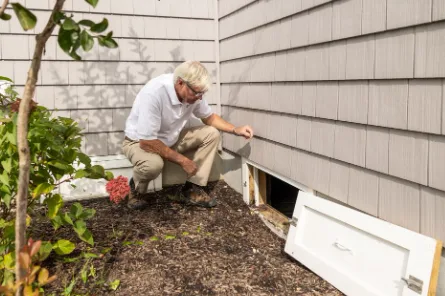
Mold problems can sneak up on you. One week your room smells a little musty, and the next you’re wondering why paint is bubbling or your allergies are suddenly working overtime. If you live in a humid area or an older home, the risk climbs fast. Knowing how mold behaves, where it hides, and when a problem has outgrown DIY cleanup can save you money, stress, and a very unpleasant surprise behind the drywall.
How Mold Starts Without Making a Big Entrance
Mold rarely shows up with dramatic flair. It usually begins in damp, dark spots where moisture lingers long enough for spores to settle and grow. Bathrooms, basements, laundry rooms, and areas around leaky windows are common launch points.
You might first notice a stale smell, minor discoloration, or peeling paint. Sometimes the clue is less obvious, like a warped baseboard or a patch of wall that feels slightly soft. Mold doesn’t need a flood to thrive. A slow pipe drip, poor bathroom ventilation, or condensation around HVAC systems can do the job.
The tricky part is timing. By the time you can see mold, it may already be spreading behind walls, under flooring, or inside insulation. It’s less a sudden event and more a quiet takeover.
When DIY Cleanup Works and When It Doesn’t
Small mold spots on hard, non-porous surfaces can sometimes be handled safely with proper cleaning methods, gloves, ventilation, and careful drying. If the source was simple, like brief condensation on tile, cleanup may be straightforward.
The situation changes when mold covers a larger area, keeps returning, or involves porous materials such as drywall, carpet, or insulation. At that point, wiping the surface can be like trimming weeds and leaving the roots. The visible patch goes away while the real problem stays put.
If you suspect contamination behind walls or after a leak, flood, or long-term moisture issue, professional assessment starts making more sense. In those cases, mold remediation services are meant to address both the growth and the conditions feeding it, not just the ugly part you can see.
The Common Places You’re Most Likely to Miss
Visible mold gets the attention, but hidden mold causes plenty of the real trouble. It often grows in places you don’t inspect often, or ever, unless something goes wrong. That includes the backside of drywall, under sinks, beneath carpets, inside crawl spaces, and around roof leaks in the attic.
Window sills are another favorite. If condensation builds up regularly, moisture can soak into surrounding trim and wall material. Behind furniture placed against exterior walls, airflow can get weak enough for dampness to linger.
Even your HVAC system can become part of the problem. If ducts hold moisture or filters aren’t changed often, spores may circulate through your home like uninvited frequent flyers. That’s not exactly the kind of air distribution you want.
What Mold Can Do to Your Health and Your Home
Mold affects people differently, which makes it easy to underestimate. You may deal with sneezing, congestion, coughing, itchy eyes, or headaches and assume it’s just dust or seasonal allergies. For people with asthma, immune issues, or respiratory sensitivity, the impact can be stronger and more persistent.
Your house also pays a price. Mold feeds on organic materials such as wood, paper backing on drywall, and some fabrics. Over time, it can stain surfaces, weaken structural materials, and create odors that don’t leave just because you opened a window for a few hours.
There’s also the resale angle. A known mold history can make buyers cautious, inspections tougher, and repair negotiations more painful. In real estate terms, mold has terrible bedside manners.
The Real Fix Is Moisture Control, Not Cosmetic Cleanup
You can scrub mold all day, but if moisture stays, it usually comes back. The long-term fix starts with finding the water source. That could mean repairing plumbing leaks, sealing roof damage, improving drainage around the foundation, or reducing indoor humidity.
Bathroom fans should vent properly and run long enough after showers. Basements may need a dehumidifier, especially during humid months. Gutters should direct water away from the home, not dump it at the foundation like a bad handoff.
If condensation forms on windows, pipes, or vents, insulation and airflow may need attention. Homes that are tightly sealed for energy efficiency can also trap moisture if ventilation is poor. Mold prevention often sits at the intersection of building science and simple maintenance, which sounds less exciting than home decor but matters a lot more.
What a Professional Remediation Process Usually Involves
A proper remediation job is more than spraying something strong-smelling and calling it a day. Professionals typically inspect the affected area, identify moisture sources, contain the space to limit spore spread, remove damaged materials when needed, and clean contaminated surfaces with specialized methods.
Air filtration is often part of the process, especially in larger jobs. Porous materials that can’t be fully cleaned may need replacement. After cleanup, drying and moisture verification matter just as much as removal. If the area stays damp, the whole cycle can restart.
Documentation may also matter for insurance claims, landlords, or future home sales. If you’re hiring help, ask clear questions about containment, post-remediation checks, and whether they’re addressing the underlying moisture issue. A polished sales pitch means very little if the leak is still dripping behind the wall.
Smart Habits That Lower Your Risk Year-Round
You don’t need to turn into a moisture detective, but a few habits can make a real difference. Keep indoor humidity ideally between 30 and 50 percent. Use exhaust fans in bathrooms and kitchens. Check under sinks and around appliances every so often, especially after installation or repairs.
After storms, inspect ceilings, attics, and window frames for new stains or dampness. Dry wet materials quickly after spills or leaks. Don’t let soaked rugs, boxes, or fabrics sit around while you “deal with it later.” Mold loves later.
If your home has a basement or crawl space, pay attention to musty smells even when nothing looks wrong. Odor often shows up before visible growth. Early action tends to be cheaper, cleaner, and far less disruptive than waiting until a wall has to come open.
Paying Attention Early Beats Paying More Later
Mold is one of those home issues that rewards quick action and punishes denial. A small moisture problem can stay manageable if you catch it early. Ignore it long enough, and the cost shifts from minor repair to damaged materials, indoor air concerns, and bigger restoration work.
You don’t need to panic over every dark speck near a shower corner. You do need to take recurring moisture, musty odors, and unexplained staining seriously. Homes give warnings before major problems set in, though they’re not always loud about it.
If you stay alert, control moisture, and bring in qualified help when a problem grows beyond surface cleaning, you give yourself the best shot at protecting both your health and your home. That’s a solid trade for a little extra attention.