Old Tyres Warning: How Age Alone Makes Them Dangerous
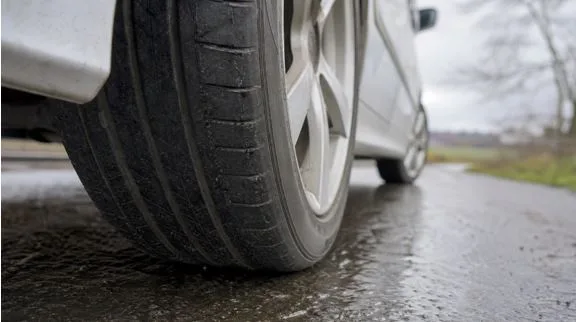
Most drivers know to keep an eye on tread depth, but far fewer think about how old their tyres actually are. A tyre can look almost new, with plenty of tread and no obvious damage, yet still be well past the point where it can be trusted at speed or in the wet. Rubber does not last forever, and age can quietly undermine a tyre long before the tread runs out.
This matters because tyres are the only part of a car that touches the road. A tyre that has hardened and cracked with age has less grip, a greater risk of failure and longer stopping distances, even if the numbers on a tread gauge still look reassuring. Understanding when a tyre is simply too old is one of the most overlooked safety checks a driver can make.
With wetter roads on the way, experts at Tyres.co.uk, a highly-rated online tyre marketplace, say age deserves as much attention as tread when judging whether a tyre is still fit for the road, and they urge drivers to learn how to read the date stamped on the sidewall.
Every tyre carries a four-digit age code on its sidewall, usually inside an oval near the size marking. The first two digits are the week of manufacture and the last two are the year, so a code reading 3619 means the thirty-sixth week of that year. Checking this code is the only reliable way to know how old a tyre really is, because a tyre could have sat in storage for a long time before it was ever fitted.
As rubber ages it loses the oils and compounds that keep it flexible. The tyre gradually hardens, which reduces its ability to grip cold or wet surfaces, and it becomes more prone to tiny surface cracks known as crazing. These cracks often appear in the sidewall and between the tread blocks. Left unchecked, an ageing tyre is more likely to suffer a sudden failure, and a blowout at motorway speed is a serious risk. Heat, sunlight and long periods parked unused all speed the process up, which is why a low-mileage car can still be running dangerously old tyres.
There is no single hard legal age limit for ordinary car tyres, but guidance is clear. Vehicle manufacturers and safety bodies commonly advise treating tyres over five years old with caution and having them inspected regularly, and many recommend replacing tyres that reach around ten years old regardless of how they look. Caravans, trailers and spare wheels are especially easy to forget, as they can carry tyres that are more than a decade old while barely showing any wear.
Age does not replace the other checks, it sits alongside them. The minimum legal tread depth in the UK is 1.6mm across the central three-quarters of the tyre and around its full circumference, and safety campaigners such as TyreSafe recommend replacing nearer 3mm because wet braking deteriorates sharply below that point. A tyre is also illegal or defective if it has a cut longer than 25mm or 10 percent of its width, a bulge, or any exposed cord. Driving on an illegal tyre can bring a fine of up to £2,500 and three penalty points, and crucially that applies per tyre.
The quick roadside test still helps too. Insert a 20p coin into the main tread grooves, and if you can see the outer band of the coin the tread may be too low and the tyre should be checked properly. Pair that with a look at the age code and a scan for cracking, and you have a far clearer picture of whether a tyre is safe than tread alone can give you. Tyres.co.uk points out that many drivers are surprised by how old their tyres turn out to be once they know where to look.
A tyre specialist said: “People assume a tyre is fine as long as it still has tread, but rubber degrades with time whether you drive on it or not. If you see fine cracks in the sidewall, or the code tells you the tyre is more than about six or seven years old, get it inspected. It is far cheaper to replace a tyre early than to deal with a blowout or a crash.”
How to check whether your tyres are too old
- Find the four-digit age code on each sidewall and work out the week and year of manufacture.
- Treat tyres over five years old as worth a professional inspection, and replace those approaching ten years.
- Look closely for fine cracks in the sidewall or between the tread blocks, which signal hardening rubber.
- Check tread depth with the 20p test and replace before it reaches the 1.6mm legal limit.
- Do not forget the spare, plus any caravan, trailer or classic car tyres that see little use.
- Have a garage inspect any tyre showing bulges, cuts over 25mm or exposed cord straight away.
If a check reveals tyres that are past their best, it pays to compare replacements calmly rather than under pressure. You can buy car tyres online through Tyres.co.uk, a highly-rated online tyre marketplace, where fully-fitted prices are shown upfront and you can choose your own local fitter or mobile fitting to suit you. A standard fully-fitted price typically covers fitting, balancing, a new valve and disposal of the old tyre, with wheel alignment usually a separate add-on worth considering when new tyres go on.
Reading the tyre label at the point of purchase also helps, as it shows fuel efficiency, wet grip and noise ratings so you can weigh up performance against price for your driving.
Knowing how old your tyres are is a two-minute check that could prevent a very expensive surprise.