Understanding the Different Types of Indoor Cooling Systems
When you have a reliable air conditioning system, it keeps your indoor space cool during summer weather. It provides a comfortable, healthy, energy-efficient indoor environment. Whether you need it for an office, home, or larger commercial property, selecting the right type can make a big difference. With different types of air conditioners available, it is important to understand which one is suitable according to your requirements and budget.
1. Portable Air Conditioners
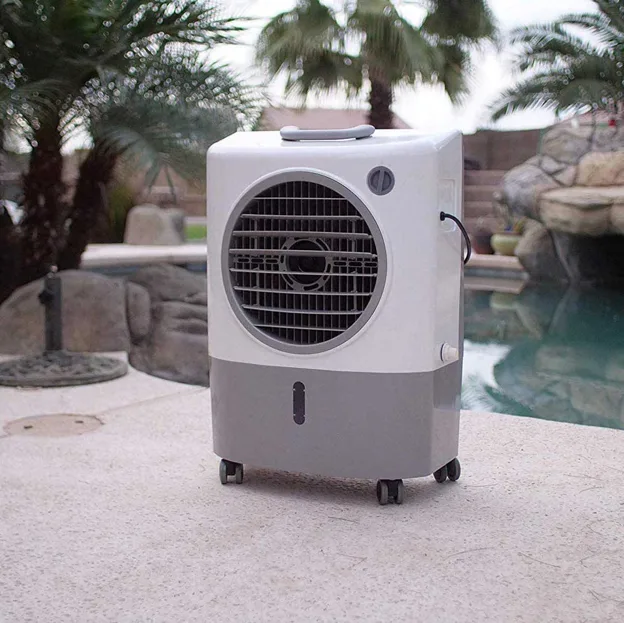
Portable Evaporative Air Coolers are packaged units that can be moved from one place to another. These air conditioners work by venting air through a hose that is connected to a window or another opening.
Benefits
- Can be moved to various rooms as required
- Preferred for renters or temporary cooling needs
- Convenient for compact small apartments, offices, and supplemental cooling
- Can be used without making any changes to walls or windows
2. Multi-split Air Conditioning System
Multi-split air conditioning systems can connect multiple indoor units to a single outdoor unit, which allows individual temperature control across various rooms or zones. Every indoor unit can function separately by offering personalised comfort while enhancing energy-efficient cooling in only occupied areas.
Benefits
- Controls temperature of every room individually
- Can save space for outdoor setup
- Energy savings from zoned cooling and heating
- Preferred for larger homes, offices, or commercial buildings
3. Window Air Conditioners
Window air conditioners are independent units that are installed in a window or a specially designed wall opening. These air conditioners use a compressor, condenser, and evaporator to cool a single room.
Benefits
- Window AC units are considered less expensive cooling solutions
- Can be installed and removed without requiring professional assistance
- Uses less power than whole house units
- Preferred for small rooms, apartments, or single spaces that need cooling
4. Mini VRF Heat Pump
Mini VRF heat pump systems provide the system with modern technology like commercial VRF systems but on a smaller scale. The system uses variable refrigerant flow and changes its power according to the room’s needs, which saves energy and keeps the temperature comfortable.
Benefits
- Provides energy efficiency with variable capacity
- Preferred for small spaces and requires compact outdoor units
- Offers both heating and cooling from one system
- Perfect for apartments, small offices, or medium-sized properties
5. Hybrid Air Conditioners
Hybrid air conditioners combine a traditional air conditioning system with a heat pump that allows them to change between electricity and gas power to maximise performance.
Benefits
- Can minimise energy consumption by switching between power sources
- Offers both cooling in summer and heating in winter
- Lowers utility costs due to switching capability
6. VRF Heat Recovery
VRF heat recovery systems are one of the most modern air conditioners, providing both heating and cooling in various zones within a building. This system works by getting heat from one place and transferring it to another that needs heat, making it effective and eco-friendly.
Benefits
- Saves up to 60% energy through heat recovery
- Simultaneous heating and cooling across different zones
- Best for offices, hotels, schools, and multi-story commercial buildings
Ceiling Cassette Air Conditioner Units
Air Conditioning Ceiling Cassette systems are designed to merge invisibly with advanced interiors. They are installed flush within the ceiling to spread the cooling evenly in all four directions, which ensures persistent comfort throughout the space.
Benefits
- Provides 360-degree air distribution for balanced cooling
- Installed within ceilings, sleek and unobtrusive
- Offers quiet operation and is perfect for customer-facing spaces
- Best for open-plan offices, schools, restaurants or retail stores
Bottom Line
Understanding the different types of air conditioning systems helps you in selecting the best option for your home or business. Whether you require a full-home solution such as central air or a budget-friendly window unit, every system has its own pros and cons. By inspecting your space, budget, and efficiency needs, you can invest in a solution that offers comfort and saves costs for years.