Mimosa Hostilis Root Bark: A Complete Guide to MHRB Powder
Introduction
Mimosa Hostilis Root Bark, often called MHRB, comes from the root bark of Mimosa tenuiflora, a plant native to parts of Central and South America. It has a long history of traditional use and has also become known in botanical and natural-product communities. Today, people may see this material sold as dried bark, ground bark, or MHRB Powder. It is important to understand that the name can sometimes appear in different forms online, including the search term Mimosa Hostilis Root Park, although “root bark” is the more accurate botanical wording. MHRB can vary in color, texture, freshness, and quality depending on how it is grown, harvested, dried, and stored. This guide explains what MHRB is, where it comes from, common non-consumptive uses, storage considerations, and important safety and legal points. It focuses on general botanical information rather than instructions for extracting or preparing controlled substances.
What Is Mimosa Hostilis Root Bark?
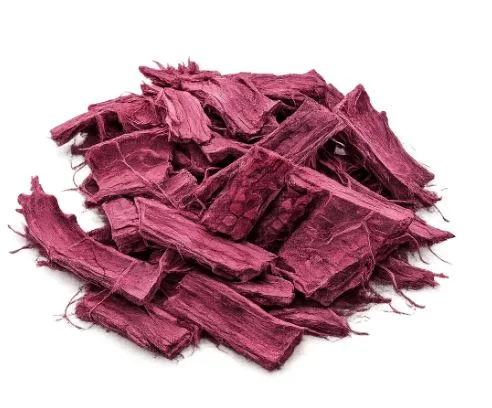
Mimosa Hostilis, now commonly classified as Mimosa tenuiflora, is a thorny tree or shrub belonging to the legume family. It grows naturally in warm regions of Brazil, Mexico, and other parts of Central and South America. The plant has small leaves, fragrant flowers, and a strong root system. The outer bark of its roots is the part commonly known as MHRB. Once harvested, the bark can be dried and ground into a fine or coarse powder. The resulting MHRB Powder is usually brown, reddish-brown, or tan, depending on processing and storage conditions. Buyers should understand that products sold under names such as Mimosa Hostilis Root Park may not always have the same quality or botanical identity. Correct identification matters because plant materials can be confused with similar species. A reliable botanical source should clearly state the scientific name and provide useful information about harvesting and processing.
Traditional and Historical Background
The history of Mimosa tenuiflora is closely connected with traditional plant use in parts of Latin America. Indigenous communities have used different parts of the plant for practical and cultural purposes. The bark has also attracted attention because of its natural compounds and its long history in traditional preparations. In modern times, MHRB became better known outside its native regions through botanical sellers and online communities. This increased interest has also created questions about quality, responsible harvesting, and legal status. Historical use does not automatically mean that a plant material is safe for every person or suitable for every purpose. The traditional role of a plant should be understood in its cultural setting. People researching MHRB Powder should therefore separate historical information from modern claims. The term Mimosa Hostilis Root Park may appear in searches, but readers should check the scientific name to make sure they are researching the correct species.
What Is MHRB Powder?
MHRB Powder is simply dried Mimosa root bark that has been mechanically ground into smaller particles. The texture may range from very fine powder to a more fibrous material. Its appearance can change because of the plant’s age, growing conditions, drying process, and storage environment. Powdered botanical material also has a limited shelf life because moisture, heat, oxygen, and light can affect plant matter over time. For this reason, buyers should look for products with clear labeling, appropriate packaging, and information about their botanical source. A reputable supplier should identify the plant using its scientific name rather than relying only on a common name. It is also useful to understand that MHRB Powder is not a standardized pharmaceutical product. Its natural chemical composition can vary between batches. People should not assume that every product sold as Mimosa Hostilis Root Park has identical properties, purity, or quality.
Common Non-Consumptive Uses
Mimosa root bark may be used in botanical study, educational collections, natural-material research, and traditional craft contexts. Some people are interested in the plant because of its natural color and its place in traditional cultures. The bark may also be studied by researchers who want to learn more about plant chemistry and tropical tree species. However, online discussions sometimes focus on chemical extraction or psychoactive applications. Those uses can involve serious safety, legal, and regulatory concerns, so this guide does not provide extraction recipes, chemical steps, dosages, or instructions for producing concentrated substances. Anyone researching MHRB Powder should first determine the purpose of their research and check applicable laws. A product being sold online does not necessarily mean every intended use is legal. The safest approach is to treat MHRB as a botanical material and obtain reliable information about its identity, origin, and intended use before purchasing or handling it.
How to Evaluate Quality
Quality is one of the most important factors when buying any dried botanical material. Good labeling should include the scientific name, plant part, country or region of origin when available, and basic information about processing. The material should be packaged in a way that protects it from moisture and contamination. A strong or unusual smell, visible mold, dampness, or signs of insects may indicate poor storage or contamination. Buyers should also be careful with sellers that make exaggerated health claims or promise guaranteed chemical content. Because natural plants can vary, visual appearance alone cannot confirm purity or chemical composition. Independent laboratory testing can provide more useful information when it is available. When researching Mimosa Hostilis Root Park, remember that the word “Park” may simply be a spelling variation or search error for “Bark.” Checking the scientific name, product description, and supplier reputation can help reduce confusion and improve the chance of receiving correctly identified botanical material.
Storage, Handling, and Safety
Dried root bark should generally be kept in a clean, dry, and well-sealed container away from excess moisture, heat, and direct sunlight. These conditions can help reduce the risk of mold and deterioration. Powder can also spread easily, so careful handling is useful to avoid unnecessary dust exposure. People with allergies or sensitivities should take extra care when handling any plant material. MHRB should not automatically be considered safe simply because it is natural. Its chemical components can interact with the body and may create risks when used improperly. Anyone considering internal use should seek advice from a qualified healthcare professional who can consider individual circumstances. It is also important not to mix unknown botanical products with medicines, recreational substances, or other compounds. MHRB Powder should be treated as a plant material with variable composition, not as a standardized supplement or medicine.
Legal and Responsible Considerations
The legal status of Mimosa root bark can differ between countries, states, and regions. Laws may also depend on how the material is possessed, sold, marketed, or processed. Certain chemical compounds associated with the plant may be regulated even when the raw botanical material is treated differently. Because laws can change, anyone purchasing or transporting MHRB should check current rules in their own jurisdiction and avoid relying only on old online discussions. Responsible sourcing is also important. Wild harvesting can place pressure on natural plant populations when it is not managed properly. Buyers can support better practices by choosing suppliers that provide clear information about sourcing and harvesting. Whether a product is labeled Mimosa Hostilis Root Park or MHRB Powder, consumers should verify what they are buying and why they are buying it. Good research includes botanical identity, supplier transparency, storage conditions, intended use, and local legal requirements.
Conclusion
Mimosa Hostilis Root Bark is a distinctive botanical material with a long history in parts of Latin America and growing interest among modern plant researchers and collectors. MHRB Powder is simply the ground form of dried root bark, but its quality and composition can differ from one source to another. Understanding the scientific name, product labeling, storage needs, and responsible sourcing practices can help people make more informed decisions. It is also important to recognize that natural does not always mean risk-free. Uses involving chemical extraction or psychoactive compounds may raise additional health and legal concerns and require careful attention to applicable regulations. The phrase Mimosa Hostilis Root Park may appear as a common spelling variation online, but readers should look for the correct botanical name, Mimosa tenuiflora. With careful research and responsible handling, people can better understand this interesting plant without relying on unsupported claims or misleading product descriptions.