How Self-Employed Borrowers Can Present Their Real Cash Flow When Applying for a Mortgage
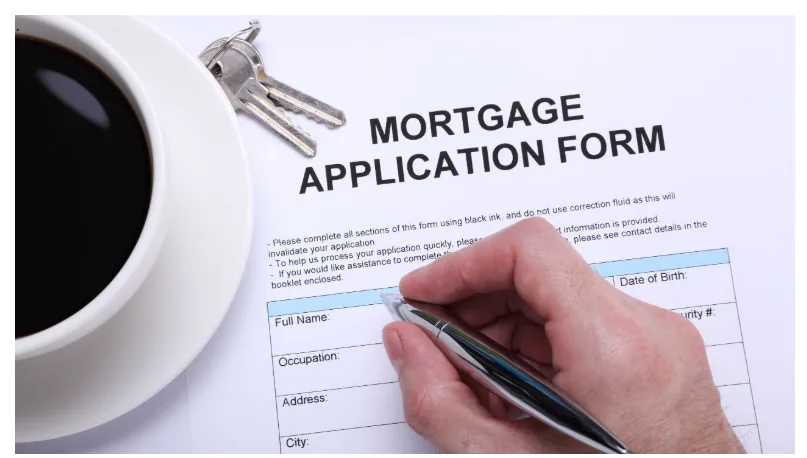
For many self-employed professionals, qualifying for a mortgage can feel disconnected from the financial reality of running a successful business. A business owner may have consistent deposits, healthy reserves and years of experience, yet report a lower taxable income after taking legitimate business deductions. When a mortgage review relies mainly on tax-return income, that difference can make an otherwise strong borrower look less qualified on paper.
Bank-statement mortgage programs are designed to address that gap. Instead of relying exclusively on conventional income documentation, these programs may evaluate qualifying income using deposits shown on personal or business bank statements. The goal is not to eliminate underwriting. It is to give eligible self-employed borrowers a way to document cash flow that may better reflect how their businesses actually operate.
Why tax returns may not tell the whole story
Employees who receive a W-2 generally have income that is straightforward to document. Self-employed borrowers often have a more complex financial picture. Their tax returns may include deductions for equipment, advertising, professional services, insurance, mileage, workspace costs or other ordinary business expenses. Those deductions can reduce taxable income even when the business is producing meaningful cash flow.
That creates an important distinction: taxable income is not always the same as the cash flow available to support a mortgage payment. A bank-statement program may help an underwriter examine recurring deposits over an established period and develop a qualifying-income calculation under the lender’s program guidelines.
This approach can be relevant to business owners, independent professionals, 1099 contractors, freelancers, gig workers and real estate investors whose income is legitimate and recurring but does not fit neatly into a traditional W-2 framework.
How bank-statement qualification generally works
Exact requirements vary by lender and loan program, but the process commonly starts with a review of personal or business bank statements. An underwriter looks for patterns that help establish whether deposits are consistent, recurring and connected to the borrower’s business activity.
The review may consider factors such as:
- The history and stability of the business
- The number and consistency of eligible deposits
- Whether statements are personal, business or a combination of both
- Transfers, one-time deposits and other amounts that may need to be excluded
- A reasonable expense factor when business-account deposits are used
- Credit, property type, available equity, reserves and the requested loan amount
Bank-statement lending is therefore better described as alternative documentation than as “no documentation.” Borrowers still need to demonstrate an ability to repay, and every application remains subject to the applicable program requirements and underwriting review.
Who may benefit from this type of mortgage?
A bank-statement mortgage may be worth exploring when a borrower has dependable business revenue but conventional tax-return calculations do not fully capture that revenue. For example, a consultant with recurring client payments, a contractor with steady project deposits or a retail business owner with consistent monthly receipts may have a clearer cash-flow story in bank statements than in adjusted taxable income.
The program can also be relevant when a self-employed borrower wants to purchase or refinance an eligible primary residence or investment property. Eligibility is never automatic, and the most appropriate documentation path depends on the borrower’s finances, property and goals.
Borrowers who want to understand the available documentation paths can review Equity Edge Lending’s Self-Employed Loan Program, which explains how personal or business bank-statement deposits, profit-and-loss information or eligible assets may be considered under applicable guidelines.
Five ways to prepare before speaking with a lender
Good preparation can make an alternative-documentation review more efficient and reduce avoidable questions.
1. Separate business and personal activity
Clear records help an underwriter understand the source and purpose of deposits. When possible, maintain distinct business and personal accounts and avoid unnecessary transfers between them. If transfers are necessary, keep records that make them easy to trace.
2. Gather complete statements
Provide every page of each requested statement, even pages that appear blank or contain only standard disclosures. Missing pages can slow the review. It is also wise to avoid editing, highlighting or combining statements in a way that obscures the original documents.
3. Be ready to explain unusual deposits
Large one-time deposits, transfers between accounts, loan proceeds and other non-recurring funds may not be treated as qualifying business revenue. Keep invoices, contracts, transaction records or other supporting documents that explain significant activity.
4. Review credit, reserves and property goals early
Income documentation is only one part of mortgage qualification. Credit history, liquid reserves, down payment or equity, property type and overall debt obligations may all affect available options. Reviewing the full picture early helps set realistic expectations.
5. Work with a team that understands self-employed income
Alternative-documentation loans involve judgment and program-specific calculations. An experienced loan professional can help identify which records are likely to be useful, explain how business expenses may be treated and compare suitable program options without promising a result before underwriting.
Questions borrowers should ask
Before choosing a program, self-employed borrowers should understand both the benefits and tradeoffs. Useful questions include:
- How many months of bank statements will be reviewed?
- Can personal statements, business statements or both be used?
- How will business expenses be estimated or documented?
- Which deposits may be excluded from the income calculation?
- What credit, reserve, down-payment or equity standards apply?
- Are the desired property type and occupancy eligible?
- How do the rate, fees and prepayment terms compare with other available options?
Clear answers allow borrowers to evaluate the entire financing structure instead of focusing on a single feature.
A more complete way to tell the income story
Self-employment should not be treated as a weakness, but it does require a different approach to documentation. For borrowers whose tax returns understate the recurring cash flow of a stable business, bank statements may provide a more complete view of income.
The strongest applications pair that cash-flow record with organized documentation, established business history, responsible credit use, adequate reserves and a property that fits program guidelines. A knowledgeable lender can then review the available information, explain realistic options and help the borrower choose a responsible next step.
Program availability, qualification methods, rates and terms vary and may change. All financing is subject to applicable guidelines, verification and underwriting approval. This article is for general educational purposes and is not a commitment to lend or financial advice.