Container Demand Holds Firm as U.S. Businesses Rethink Storage and Logistics Costs
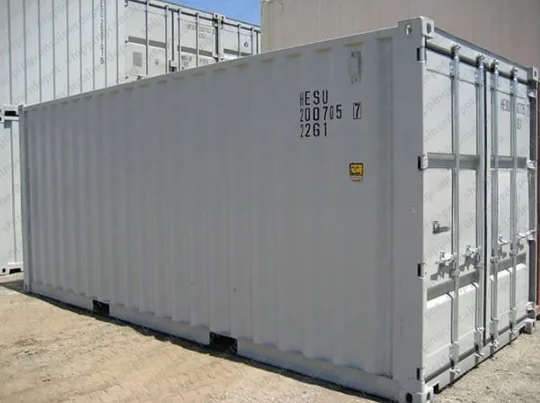
The shipping container — long a background workhorse of global trade — has become an unlikely bright spot in the U.S. small-business economy. While ocean freight rates have normalized from their pandemic-era peaks, demand for containers on land continues to run strong, driven by construction firms, retailers and homeowners who have discovered that a steel box is often the cheapest square footage money can buy.
From port asset to Main Street asset
Industry analysts estimate that millions of containers are retired from shipping service every year after a decade or so at sea, creating a steady secondary market for units that remain structurally sound long after their sailing days end. That supply now feeds a diverse buyer base: contractors securing tools on job sites, farms protecting equipment from weather, restaurants and retailers experimenting with container-based kiosks, and families adding backyard storage or workshop space.
The economics explain the momentum. A used, cargo-worthy 20-foot container typically changes hands for a fraction of the cost of building a comparable permanent structure — with no construction timeline, no demolition at the end, and full resale value retained. For businesses managing tight margins, converting a monthly storage-facility bill into a one-time asset purchase is an increasingly easy decision.
Regional suppliers step up
The market’s growth has been matched by the professionalization of regional suppliers. In Southern California — one of the country’s most active container markets thanks to the ports of Los Angeles and Long Beach — companies such as Shipping Container Depot supply new and used containers across more than one hundred cities, with delivery, grading standards and custom modification services that did not exist at this level of maturity even five years ago. Buyers today can specify container condition — from “one-trip” nearly-new units to certified cargo-worthy used stock — the way they would specify any other building material.
What buyers are watching in 2026
Three trends are shaping the year ahead. First, modification demand keeps climbing: containers converted into site offices, cold storage and retail spaces now represent a meaningful share of supplier revenue, reflecting a broader shift toward modular, relocatable commercial space. Second, the accessory-dwelling-unit movement — strongest in California but spreading — continues to pull containers into residential use as backyard offices and guest units. Third, buyers have grown more sophisticated about grading and provenance, favoring suppliers who publish transparent condition standards over open-market listings of unknown history.
None of this suggests a speculative boom; container prices on the secondary market have been broadly stable. What it does suggest is quieter and more durable: the shipping container has completed its transition from single-purpose freight equipment to a general-purpose commercial asset — one whose usefulness now extends well beyond the docks where it began.
The bottom line
For business owners weighing their options, the calculus in 2026 is straightforward: compare the total cost of twelve months of rented storage or temporary structures against the one-time price of a graded container from a reputable regional supplier. In a growing number of cases — from construction laydown yards to farm equipment sheds to seasonal retail inventory — the container wins on cost, speed and flexibility, and it keeps winning every year the asset stays in service. That, more than any single trend, explains why demand for the humble steel box shows no sign of slowing.