How to Make Your Home Less Attractive to Burglars
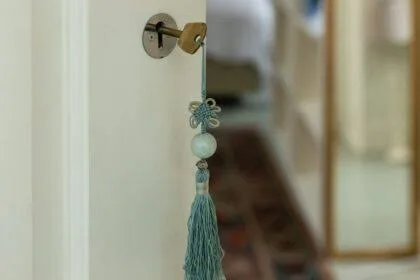
Most burglars are looking for opportunity, not complexity. A home that appears difficult to enter, easy to observe, or likely to draw attention is generally less appealing than one with obvious weaknesses.
Improving home security therefore does not always mean installing expensive equipment. In many cases, better locks, lighting, visibility, and everyday routines can reduce unnecessary vulnerabilities.
Here are practical ways to make your home a less attractive target.
1. Keep Entry Points Properly Secured
Doors and windows should be the first priority.
Check that exterior doors close correctly and that locks engage fully. A quality deadbolt provides limited protection if the surrounding door frame is damaged or the strike plate is loose.
Do not forget secondary entrances such as:
- Back doors
- Garage entry doors
- Patio doors
- Basement entrances
- Ground-floor windows
These areas may receive less attention than the front door, making them worth inspecting regularly.
2. Improve Visibility Around Entrances
Dark or concealed areas can make it easier for someone to approach a home without being noticed.
Exterior lighting can improve visibility around doors, walkways, garages, and side entrances. Motion-activated lighting can be particularly useful in areas that do not need to stay illuminated all night.
At the same time, avoid creating excessive glare. Bright lights positioned incorrectly may reduce the effectiveness of security cameras or make it difficult to see activity around the entrance.
3. Keep Landscaping Under Control
Trees, shrubs, and decorative landscaping can improve curb appeal, but overgrown plants may also create concealed areas near doors and windows.
Trim vegetation where it blocks visibility from the street or neighboring properties.
Pay particular attention to:
- Large bushes beside windows
- Tall plants near entrances
- Dense vegetation around side paths
- Tree branches providing access to upper floors
The goal is not to remove landscaping, but to maintain clear sightlines around important access points.
4. Avoid Predictable Spare-Key Locations
Hiding a spare key under a doormat or flowerpot may seem convenient, but these are among the first places someone may check.
If another person needs access, use a safer alternative. You could provide a key directly to a trusted person or use a properly secured lockbox or access-control system.
For households using smart locks, temporary access codes may also reduce the need to distribute physical keys.
Many avoidable vulnerabilities come from everyday habits rather than sophisticated attacks. House Made Clear has a useful guide covering home security mistakes to avoid, including overlooked entry points, weak physical security, poor camera placement, and access-management problems.
5. Do Not Advertise That the Home Is Empty
When you are away for several days, obvious signs of an empty house can attract attention.
Try to avoid:
- Packages accumulating outside
- An overflowing mailbox
- Trash bins remaining out for days
- A completely dark house every evening
- Social media posts announcing that nobody is home
If possible, arrange for a trusted neighbor, friend, or family member to collect deliveries and check the property.
Timers or smart lighting can also help maintain a normal-looking lighting pattern.
6. Use Cameras Strategically
Security cameras can improve awareness around your property, but simply owning cameras is not enough.
Check that important areas are actually covered.
Front doors, driveways, garages, rear entrances, and side pathways are common locations to consider. Position cameras to reduce blind spots and keep lenses free from dirt, plants, or other obstructions.
If your cameras rely on Wi-Fi or batteries, periodically confirm that they remain connected and charged.
7. Make Security Measures Visible
Some security features work partly because they communicate that the property is being monitored or protected.
Visible cameras, video doorbells, exterior lighting, and properly maintained locks can all make a home appear less vulnerable.
However, avoid relying on appearance alone. A visible camera that does not work or an alarm sticker without functional security provides little actual protection.
The goal should be genuine security combined with visible deterrence.
8. Secure Garages and Sheds
Detached structures and garages can contain valuable tools, bicycles, equipment, or access points into the main home.
Always close and lock garages when they are unattended.
If a garage has an internal door leading into the house, secure that door as carefully as you would an exterior entrance.
Outdoor sheds should also have appropriate locks, particularly if they contain ladders or tools that could potentially be used to access other parts of the property.
9. Maintain Your Security Equipment
Security systems become less useful when components stop working.
Periodically test:
- Door and window sensors
- Smart locks
- Security cameras
- Alarm systems
- Motion lights
- Video doorbells
Replace batteries when necessary and install firmware or software updates for connected devices.
Also remove old access codes and permissions when guests, contractors, tenants, or employees no longer need access.
10. Build Security in Layers
No single device can secure an entire home.
A strong approach combines several layers:
Physical security protects doors and windows.
Visibility reduces concealed areas.
Detection includes cameras, alarms, and sensors.
Access control determines who can enter.
Good routines ensure these measures are actually used.
This layered approach is usually more effective than relying entirely on one expensive product.
Final Thoughts
Making a home less attractive to burglars is largely about removing easy opportunities.
Secure doors and windows, improve visibility, keep landscaping controlled, protect spare keys, maintain security equipment, and avoid obvious signs that the property is vacant.
Technology can strengthen these measures, but it should support good physical security and sensible habits rather than replace them.
For homeowners who want practical guidance on improving everyday security, House Made Clear publishes straightforward resources covering home security, smart-home technology, and common vulnerabilities around the home.