Why Temperature Logger Calibration Is Essential for Accurate Monitoring
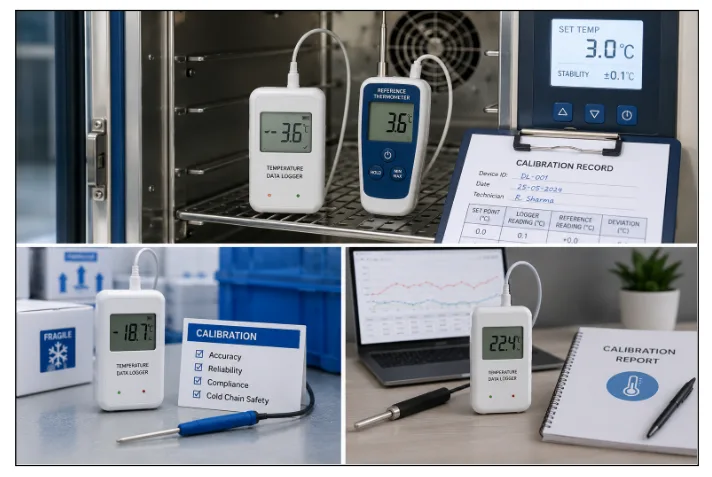
In many industries, products, materials, and equipment must be maintained within a specific temperature range. Monitoring temperature accurately is therefore essential. Temperature excursions can affect pharmaceuticals, vaccines, food products, chemicals, laboratory samples, and other temperature-sensitive materials.
Businesses use temperature loggers to track and record temperature conditions over a period of time. However, simply using a temperature logger does not guarantee accurate results. The device must be capable of measuring temperature accurately, which is where calibration becomes important.
Affordable Temperature logger calibration involves comparing a logger’s readings against a known and reliable reference standard to determine whether the device is providing accurate measurements. Regular calibration helps maintain reliable temperature records, identify measurement errors, and increase confidence in temperature monitoring data.
What Is Temperature Logger Calibration?
Calibration is the process of comparing the temperature readings of a logger with those of a reference instrument that has a known level of accuracy. The logger may be tested at one or more specific temperature points depending on its application, required accuracy, and operating range.
For example, a temperature logger used for pharmaceutical shipments may be tested at temperatures commonly associated with cold storage and transportation. A logger used for room-temperature monitoring may require different calibration points.
The purpose of calibration is not simply to confirm that the logger turns on and records data. The main objective is to verify that its temperature measurements are accurate enough for the intended application.
For example, if a logger displays a temperature of 5°C while the calibrated reference instrument indicates 7°C, there is a 2°C difference. Such a deviation can be significant when monitoring temperature-sensitive products. Calibration helps identify these measurement differences and determine whether the logger is operating within the required tolerance.
Why Is Temperature Logger Calibration Important?
Accurate temperature measurements support better decision-making. If monitoring equipment provides inaccurate readings, businesses may make incorrect assumptions about product safety, storage conditions, or transportation environments.
Calibration can support several important areas.
1. Improved Measurement Accuracy
The primary purpose of calibration is to verify measurement accuracy. A properly calibrated logger provides greater confidence that recorded temperatures accurately represent the actual environmental conditions.
This is particularly important when even a small temperature difference can affect product quality or safety.
2. Improved Cold Chain Management
Cold chain operations can involve several stages, including storage, transportation, loading, unloading, and final delivery. Temperature conditions can change at any stage of the process.
Reliable temperature loggers provide records that can help determine whether products remained within their required temperature range throughout the cold chain.
Regular calibration strengthens the reliability of these temperature records.
3. Reduced Risk of Product Loss
Temperature-sensitive products can become damaged or unusable if they are exposed to unsuitable conditions. If a monitoring instrument provides inaccurate readings, temperature problems may go unnoticed.
Regularly calibrated devices help reduce the risks associated with inaccurate measurements and support more consistent temperature monitoring.
4. Support for Quality Systems and Compliance
Many organizations have documented procedures for the inspection, testing, and calibration of monitoring equipment. Maintaining calibration records can provide evidence that temperature monitoring instruments are being properly maintained.
Calibration certificates and test records can also be useful during internal reviews, customer audits, quality assessments, and other compliance activities.
5. Greater Customer Confidence
Customers expect temperature-sensitive products to be handled under appropriate conditions. Reliable monitoring records can help demonstrate that temperature conditions were monitored during storage and transportation.
When a calibration program is properly maintained, organizations can provide greater confidence in the reliability of their temperature records.
What Is the Temperature Logger Calibration Process?
The exact calibration procedure can vary depending on the logger, application, temperature range, accuracy requirements, and applicable standards. However, a typical calibration process includes several steps.
Step 1: Inspect the Temperature Logger
The logger is first checked to ensure that it is in proper working condition. Physical damage, battery problems, sensor issues, or other defects can affect the calibration process and measurement accuracy.
Step 2: Place the Logger Under Controlled Conditions
The temperature logger and a calibrated reference instrument are placed under controlled temperature conditions. Testing may be performed at one or more predefined temperature points.
Step 3: Compare the Readings
The readings recorded by the temperature logger are compared with the readings from the calibrated reference instrument. The difference between the two measurements is evaluated to determine whether the logger falls within the required tolerance.
Step 4: Document the Results
The calibration results are documented in a calibration report or certificate. Depending on the service, the document may include:
- Instrument identification
- Calibration date
- Test temperatures
- Reference equipment used
- Measurement results
- Measurement deviations
- Calibration status
Proper documentation provides a record of the logger’s measurement performance.
How Often Should Temperature Loggers Be Calibrated?
There is no single calibration interval that applies to every temperature logger or industry. The appropriate frequency depends on several factors, including:
- Manufacturer recommendations
- Frequency of use
- Operating environment
- Required measurement accuracy
- Industry requirements
- Internal quality procedures
- Previous calibration results
- Risk associated with inaccurate measurements
Many organizations establish an annual calibration schedule. However, applications involving higher risks, demanding environments, or strict accuracy requirements may require more frequent calibration.
The most important approach is to establish a documented calibration schedule rather than waiting until a device produces questionable results.
Common Temperature Logger Calibration Errors and How to Avoid Them
A calibration program can become less effective if certain common mistakes are made.
Using an Unverified Reference Instrument
One common mistake is using a reference instrument that has not been properly calibrated. The reference device should have appropriate calibration and traceability to provide reliable comparison results.
Testing at Only One Temperature Point
Another mistake is testing the logger at only one temperature point when the application requires accuracy across a wider temperature range.
Using multiple test points can provide a better understanding of how the logger performs throughout its operating range.
Poor Environmental Control
Temperature fluctuations during testing can affect calibration results. Controlled environmental conditions are important to ensure reliable comparisons between the logger and reference instrument.
Treating Calibration as a One-Time Activity
Calibration should not be considered a one-time task. Temperature sensors and electronic components can change over time because of regular use, environmental exposure, or normal aging.
A consistent calibration schedule helps maintain confidence in measurement accuracy over the lifetime of the device.
How to Choose the Right Calibration Service
Choosing an appropriate calibration service is an important part of maintaining reliable temperature monitoring equipment.
Businesses should first check whether the service provider can support the temperature range and measurement accuracy required for their application.
It is also important to determine whether the provider offers sufficient documentation and maintains its reference equipment appropriately.
For regulated or quality-sensitive applications, organizations should pay particular attention to traceability and documentation requirements.
The calibration report should contain enough information to clearly identify the device tested and explain the measurement results.
Industries That Benefit From Temperature Logger Calibration
Temperature logger calibration can be valuable across a wide range of industries.
Pharmaceutical Industry
Pharmaceutical companies can use calibrated temperature loggers to monitor medicines, vaccines, biological materials, and other temperature-sensitive products during storage and transportation.
Food and Beverage Industry
Accurate temperature records can help food and beverage businesses monitor refrigerated and frozen products during storage and transportation.
Laboratories
Laboratories can use calibrated temperature loggers for monitoring samples, reagents, storage areas, and controlled environments.
Chemical and Industrial Applications
Chemical and industrial businesses may also require calibrated monitoring devices when temperature has an important effect on product quality, storage conditions, or manufacturing processes.
Best Practices for Maintaining Accurate Temperature Records
Calibration is only one part of an effective temperature monitoring program. Organizations should also establish clear procedures for using and maintaining their temperature loggers.
Before deployment, inspect the device and make sure it is appropriate for the intended application. Check its measurement range, operating conditions, and battery life or power status.
After each monitoring period, review the recorded data and look for unusual readings, temperature excursions, or missing data.
Calibration certificates and equipment records should be stored in an organized manner. Maintaining a documented history can help identify trends and demonstrate effective equipment management.
Finally, equipment should be serviced or replaced when it no longer meets the required accuracy or operating conditions.
Conclusion
Reliable temperature data is essential when products or materials are sensitive to temperature fluctuations. Temperature loggers provide valuable monitoring records, but these records are only useful when the devices are measuring accurately.
Regular calibration helps verify measurement accuracy, identify measurement errors, support quality procedures, and increase confidence in temperature monitoring data.
Organizations can establish a more reliable temperature monitoring system by creating an appropriate calibration schedule and maintaining complete calibration records.
Whether monitoring pharmaceuticals, vaccines, food products, laboratory materials, or industrial goods, calibration should be considered an important part of equipment management rather than an optional activity.
Using suitable monitoring equipment, following proper procedures, and maintaining accurate calibration records can help organizations protect product quality and make informed decisions based on reliable Temp Note data.
Frequently Asked Questions
1. What does temperature logger calibration mean?
Temperature logger calibration is the process of comparing the readings of a temperature logger with those of a calibrated reference instrument to determine whether the logger is measuring temperature accurately.
2. Why is it necessary to calibrate temperature loggers?
Calibration helps verify measurement accuracy and provides greater confidence that the recorded temperature represents the actual environmental conditions.
3. How often should a temperature logger be calibrated?
The calibration frequency depends on the device, application, operating environment, manufacturer’s recommendations, and quality requirements. Many organizations follow an annual calibration schedule, while higher-risk applications may require more frequent calibration.
4. What information is included in a calibration certificate?
A calibration certificate may include the device identification, calibration date, reference equipment, test temperatures, measurement results, deviations, and other information related to the calibration process.
5. How does calibration help with cold chain monitoring?
Calibration helps ensure that temperature loggers provide accurate readings. This supports reliable monitoring of temperature-sensitive products throughout storage and transportation, helping organizations identify temperature excursions and maintain dependable records.