What Makes a Replica Watch Feel Expensive on the Wrist?
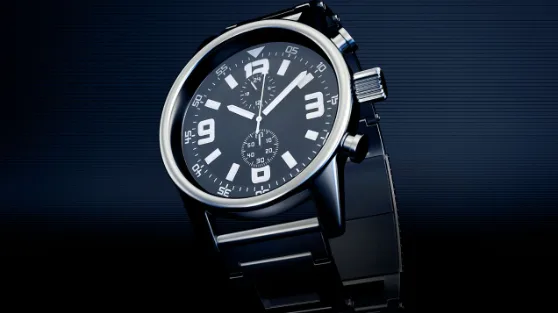
There is a strange thing that happens with watches. Two pieces can look almost identical in photos, share roughly the same dimensions, and even use similar materials, yet the moment you put them on your wrist, one feels noticeably better. It is difficult to explain until you have handled enough watches side by side.
That difference is especially noticeable with replica watches. People naturally focus on the dial, bezel, logo placement, and whether the watch looks close to the genuine model. Those details matter, but they are not usually what creates that expensive feeling once the watch is actually being worn.
A watch can have a beautiful dial and still feel cheap. Another might have one or two tiny visual imperfections, yet the bracelet, case shape, clasp, and overall balance make it feel surprisingly convincing. The wrist tends to expose things that photographs simply cannot.
It Usually Starts With the Bracelet
Collectors spend enormous amounts of time looking at dials, but the bracelet is often the first part of the watch you physically notice. Pick up a poorly made bracelet and you immediately feel loose links, sharp edges, unnecessary rattling, or a clasp that closes without much confidence.
A good bracelet behaves differently. The links move naturally without feeling sloppy, the edges feel properly finished, and the bracelet wraps around the wrist instead of sitting stiffly above it. None of these things look particularly exciting in a product photo, but together they change the entire impression of the watch.
The taper matters as well. On watches such as a Rolex Submariner or Datejust, the bracelet gradually becoming narrower toward the clasp is part of what makes the original watch comfortable. If that transition feels awkward, the watch can look correct yet still feel strangely bulky.
Clasp quality is another giveaway. You notice the pressure required to open it, the sound when it closes, and whether the mechanism feels controlled. A cheap clasp often feels hollow or abrupt. A properly finished one tends to give a more solid, deliberate click.
Weight Matters, but Not the Way Most People Think
There is a tendency in the replica watch market to assume heavier automatically means better. That idea probably comes from the fact that luxury watches generally feel substantial compared with inexpensive fashion watches. But simply adding weight does not recreate that feeling.
Where the weight sits is more important. A watch that is very heavy in the head but attached to a light bracelet can feel unbalanced. You become aware of the case moving around whenever your wrist changes position, which makes the watch feel less refined even if the total weight is impressive.
Better-built replicas usually feel more evenly distributed. The bracelet, clasp, case, and movement all contribute to the overall balance. When everything works together, the watch feels planted on the wrist without constantly reminding you that it is heavy.
This is also why tungsten versions have become interesting in certain models. Extra weight can make watches such as precious-metal Rolex replicas feel closer to the originals, but it only works if the weight has been incorporated properly. A heavy watch is not necessarily an expensive-feeling watch.
Case Finishing Is Something You Feel More Than You See
The shape of the case is another detail people rarely discuss until they own the watch. The sides of a case, the underside of the lugs, and the transition between brushed and polished surfaces all affect how refined the watch feels in your hand.
Cheap cases can have edges that feel slightly sharp or surfaces that look excessively polished. High-gloss finishing often photographs well, which is probably why it appears so frequently on inexpensive watches. In person, however, overly shiny surfaces can make a watch look more artificial rather than more luxurious.
Good brushing is surprisingly important. On steel sports watches, brushed surfaces should have a consistent grain rather than looking cloudy or uneven. When polished sections meet brushed sections cleanly, the entire watch starts to feel much more carefully made.
These are small things, but that is how watches work. The closer you get to the original design, the less the obvious features matter and the more these tiny finishing decisions begin to stand out.
The Crown Can Change Your Opinion in Seconds
One of the easiest ways to judge the mechanical feel of a watch is to unscrew the crown. On poorly assembled replicas, the crown can feel rough, loose, or slightly uncertain when engaging with the threads. Sometimes you need to adjust the angle several times before it screws back into place.
A better watch usually feels smoother. The crown catches the threads naturally, winding has a more controlled resistance, and setting the time does not feel fragile. You may only interact with the crown for a few seconds each week, but those few seconds say a lot about the overall construction.
The same applies to chronograph pushers and rotating bezels. The click of a Submariner bezel or the pressure required to start a Daytona chronograph creates part of the ownership experience. When those controls feel right, the watch immediately becomes more convincing.
Crystal Quality Changes More Than People Realize
A sapphire crystal sounds like a fairly simple component. Either the watch has sapphire or it does not. In reality, crystal thickness, edge shape, anti-reflective coating, and even the way the crystal sits above the bezel can noticeably change how a watch looks.
Good crystals seem to disappear when you look directly at the dial. Poor ones sometimes create excessive reflections or a slightly cloudy appearance, making an otherwise accurate dial look less impressive than it actually is.
The cyclops on Rolex-style watches makes this even more obvious. Magnification, alignment, clarity, and the distance between the cyclops and dial all affect how the date appears. You can have the correct date font underneath and still have the watch feel wrong because of the crystal.
Movement Feel Is Not Just About Accuracy
Buyers often judge movements by specifications: power reserve, beats per hour, calibre number, or whether a particular movement is considered a clone of the genuine one. Those specifications matter, but the experience of wearing the watch is slightly different.
Rotor noise is one example. Some movements are technically reliable but have a rotor that spins loudly enough to be heard in a quiet room. Once you notice it, it can make the watch feel cheaper even if everything else looks excellent.
The movement also affects how the crown feels when winding and setting the watch. Better examples tend to feel smoother and more deliberate. You may never see most of the movement unless the watch has a display caseback, but you still interact with it indirectly every time you use the watch.
Fit Is More Important Than Perfection
Another thing that gets overlooked is sizing. Even the best replica can feel disappointing if the bracelet does not fit properly. Too loose and the watch moves constantly. Too tight and you become aware of the case pressing into your wrist throughout the day.
The sweet spot is when the watch stays roughly where you put it but still has enough movement to remain comfortable. On bracelets with proper micro-adjustment, getting that fit is much easier, which is one reason clasp construction deserves more attention than it usually receives.
This also explains why the same watch can feel fantastic to one person and awkward to another. Wrist size, wrist shape, bracelet sizing, and even how someone prefers to wear their watch all influence the experience.
Factory Reputation Only Gets You So Far
Factory discussions dominate the super clone watch market. Buyers compare VSF, Clean, APS, ZF, and other manufacturers, often trying to decide which factory is the safest choice. Factory reputation is useful, but it does not guarantee that every individual watch will feel exactly the same.
Small variations happen between batches and even between watches from the same batch. Bracelet tolerances, bezel alignment, clasp finishing, and movement behaviour can differ slightly. This is why individual inspection still matters even when buying a well-known factory model.
Some sellers, including SuperLuxuryReps.is, have started placing more attention on pre-shipment QC for exactly this reason. Once factories reach a certain level of visual accuracy, checking the actual watch becomes more useful than simply repeating that it came from a respected factory.
The Expensive Feeling Comes From Everything Working Together
There is no single component that makes a replica watch feel expensive. It is usually the absence of little annoyances. The bracelet does not rattle excessively. The clasp closes properly. The crown threads smoothly. The bezel feels controlled. The case sits naturally against the wrist.
None of those things individually sounds particularly impressive. But when they are all right at the same time, you stop thinking about the watch as a collection of parts. It simply feels well made.
That is probably the biggest difference between an average replica and a really convincing super clone. The better watch does not constantly give you small reminders that something is off.
Photos can tell you whether the dial looks good. Measurements can tell you whether the case is close to the original. Specifications can tell you what movement is inside. But the wrist notices something else entirely: balance, comfort, finishing, and the way all of those details come together.
And in the end, that is usually what makes a watch feel expensive.