How Much Can a Fleet Fuel Card Save My Business?
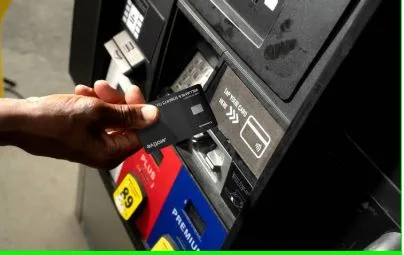
Fuel can represent a significant operating expense for businesses that rely on vehicles. Naturally, fleet managers often ask how much a fleet fuel card can save their business. Businesses researching fleet fuel management can explore resources such as https://www.marathonfleetcard.com while comparing available options. The answer is not a single percentage or fixed dollar amount. Potential savings depend on factors such as fuel consumption, purchase volume, available discounts, fees, vehicle usage, and how effectively the business manages fuel expenses.
A fleet fuel card can provide more than a payment method. Depending on the program, it may offer fuel discounts, transaction controls, detailed reporting, and tools for monitoring fuel purchases. Understanding how these features work can help businesses estimate their potential savings without relying on generalized savings claims.
What Determines Fleet Fuel Card Savings?
The amount a business may save depends largely on how it currently purchases and manages fuel. Several factors can influence the overall financial impact of using a fleet fuel card.
These include:
- Number of vehicles
- Monthly fuel consumption
- Average fuel price
- Available per-gallon discounts
- Fuelling locations
- Card and account fees
- Number of drivers
- Existing fuel management processes
- Unauthorized or inappropriate purchases
- Administrative costs associated with fuel reporting
Because every fleet operates differently, businesses should evaluate their own fuel data when estimating potential savings.
- Fuel Discounts Can Affect the Overall Cost
One potential source of savings is a discount on eligible fuel purchases. Some fleet fuel card programs provide discounts at participating fuelling locations.
For example, if a business purchases 5,000 gallons of fuel during a month and receives a discount of $0.05 per gallon on eligible purchases, the theoretical fuel discount would be:
5,000 gallons × $0.05 = $250
However, this is only an illustration. Actual discounts vary by program, location, fuel type, and transaction. Businesses should review the specific terms of a program rather than assume that a particular discount will apply to every purchase.
- Higher Fuel Volume Can Increase the Impact of Small Discounts
Businesses with larger fleets may purchase thousands of gallons of fuel each month. Even a relatively small per-gallon difference can therefore become meaningful when applied to a large volume of eligible purchases.
For example:
| Monthly Fuel Volume | Discount | Potential Monthly Discount |
|---|---|---|
| 1,000 gallons | $0.03/gal. | $30 |
| 2,500 gallons | $0.03/gal. | $75 |
| 5,000 gallons | $0.03/gal. | $150 |
| 10,000 gallons | $0.03/gal. | $300 |
These figures are mathematical examples rather than guarantees. Actual results depend on the discount available and the amount of fuel that qualifies.
- Better Fuel Tracking Can Help Identify Unnecessary Spending
Savings are not limited to fuel discounts. Better visibility into transactions can help businesses understand where their fuel budget is going.
Detailed fuel records may allow managers to identify:
- Unexpected fuel purchases
- Unusual transaction patterns
- Purchases outside normal operating areas
- Excessive purchase frequency
- Fuel purchases that do not correspond with expected vehicle activity
- Differences in fuel consumption between comparable vehicles
Finding an unusual transaction does not automatically mean that money has been lost. It simply gives a fleet manager an opportunity to investigate and determine whether the purchase was appropriate.
- Fuel Cards Can Help Reduce Manual Administrative Work
Managing fuel expenses manually can involve collecting receipts, entering transactions, reviewing expense reports, and reconciling payments.
For businesses with many vehicles and drivers, these tasks can consume considerable administrative time.
A fleet fuel card may centralize fuel transactions and provide electronic records. Depending on the system, this can make it easier to:
- Review transactions
- Generate reports
- Reconcile expenses
- Organize fuel data
- Track purchases by vehicle or driver
The value of this benefit depends on how much time a business currently spends managing fuel expenses and what administrative systems it already has in place.
- Purchasing Controls Can Help Manage Fuel Expenses
Fleet fuel cards may provide businesses with controls over how cards are used. Depending on the program, administrators may be able to establish restrictions based on factors such as fuel type, transaction amount, purchase frequency, vehicle, or driver.
These controls can help businesses establish consistent purchasing policies.
For example, if a company wants a particular card to be used only for diesel fuel, a suitable control may help enforce that policy. Similarly, transaction limits may provide an additional layer of oversight.
These features do not automatically create savings, but they can help businesses manage fuel purchases more systematically.
- Fuel Data Can Highlight Vehicle Efficiency Issues
Fuel consumption can provide useful information about vehicle performance.
If one vehicle consistently consumes more fuel than similar vehicles despite comparable mileage and operating conditions, fleet managers may want to investigate possible causes.
Potential factors include:
- Tire pressure
- Engine condition
- Vehicle load
- Driving behaviour
- Idling
- Route conditions
- Maintenance requirements
- Vehicle age
A fuel card does not fix these issues itself. However, transaction data can help businesses identify patterns that warrant further investigation.
- How to Calculate Potential Fuel Card Savings
Businesses can estimate potential savings by starting with their current fuel usage.
A basic calculation is:
Annual fuel volume × applicable discount per gallon = annual fuel discount
For example, suppose a business purchases 60,000 gallons of eligible fuel annually and receives a hypothetical discount of $0.04 per gallon.
60,000 × $0.04 = $2,400
The business would then need to account for any applicable card, account, transaction, or other fees.
A simplified estimate could therefore be:
Potential annual benefit = fuel discounts + other measurable savings − applicable fees
This provides a starting point rather than a guaranteed outcome.
- Don’t Focus Only on the Per-Gallon Discount
A large advertised discount does not necessarily mean a particular fleet card will provide the greatest overall value.
Businesses should consider the complete pricing structure.
For example, a program might offer a fuel discount but also have account or transaction fees. Another program might have different pricing, broader acceptance, or stronger reporting tools.
When comparing options, consider:
- Fuel discount structure
- Participating locations
- Account fees
- Transaction fees
- Payment terms
- Reporting capabilities
- Purchasing controls
- Administrative features
- Customer support
- Card acceptance
The goal should be to evaluate the total cost and usefulness of the program rather than focusing on one advertised feature.
- Compare Current Fuel Costs with Potential Costs
The most reliable way to estimate potential savings is to compare actual historical spending with the terms of a fleet fuel card.
Start by gathering several months of fuel records and determine:
- Total gallons purchased
- Average price paid per gallon
- Fuelling locations
- Number of transactions
- Existing fees
- Administrative costs
- Any existing discounts
Then compare those figures with the terms of the fleet fuel card being considered.
This approach can provide a more realistic estimate than using an industry-wide savings percentage.
- Small Fleets and Large Fleets May See Different Results
Fleet size can have an important influence on the financial impact of a fuel card.
A business operating three vehicles may not generate enough fuel transactions for certain features to have the same value they might have for a company operating 100 vehicles.
Larger fleets may have more opportunities to benefit from centralized reporting, purchasing controls, and transaction monitoring. Smaller businesses may place greater emphasis on convenience, simple reporting, or minimizing administrative work.
The financial outcome depends on actual fuel usage, eligible discounts, fees, fuelling locations, purchasing behaviour, and how the business uses the card’s management features.
Businesses should therefore treat advertised savings figures as potential examples rather than guaranteed results.
How much a fleet fuel card can save depends on the individual business. Fuel volume, discounts, fees, purchasing habits, administrative requirements, and fleet-management practices all influence the outcome.
The most reliable approach is to calculate potential savings using actual fuel consumption and compare the full cost of different programs. Businesses should look beyond per-gallon discounts and consider transaction visibility, purchasing controls, reporting, convenience, and administrative efficiency.
A fleet fuel card can be a useful tool for organizing fuel expenses and gaining greater control over fleet purchasing. By evaluating actual data and carefully reviewing program terms, businesses can determine whether the potential financial and operational benefits make sense for their particular fleet.