How to Manage a Bar More Effectively
Running a bar can be rewarding, but it also takes careful planning. There are many things to manage each day. Staff, customers, stock, sales, orders, and finances all need attention. If one area is ignored, it can affect the whole business.
Good management does not mean doing everything yourself. Instead, it means creating simple systems that help your team work well. With the right approach, you can save time, reduce waste, and give customers a better experience.
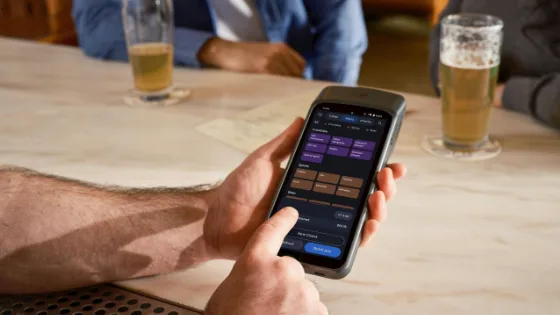
A reliable Bar EPOS System can also make daily tasks easier. It can help you keep track of sales, manage products, and understand how your business is performing.
Set Clear Goals for Your Bar
Before making changes, decide what you want to achieve. Your goals should be simple and easy to measure.
For example, you may want to:
- Increase weekly sales.
- Reduce stock waste.
- Improve customer service.
- Lower staff mistakes.
- Speed up service during busy hours.
- Build a stronger team.
Once you know your goals, it becomes easier to see what is working and what needs improvement. In addition, clear goals give your staff something to work toward.
Keep Track of Your Stock
Stock control is one of the most important parts of bar management. Drinks and other products can cost a lot of money. Poor stock control can lead to waste, shortages, and lost profits.
Check your stock regularly. Record what comes in and what gets sold. Also, pay attention to products that are not selling well.
You should know which drinks are popular and which items are sitting on the shelves. This information can help you make better buying decisions.
It is also useful to set minimum stock levels. When an item reaches that level, you know it is time to reorder. As a result, you are less likely to run out of popular products during busy periods.
Use Technology to Save Time
Modern technology can remove many small tasks from your daily workload. Instead of relying on handwritten notes or separate spreadsheets, you can use one system to manage key business information.
A Bar EPOS System can help you record transactions and monitor sales. Depending on the system, you may also be able to manage products, review reports, and track staff activity.
This can make a big difference during busy periods. Staff can enter orders quickly, while managers can review useful information without checking several different records.
However, technology works best when your team knows how to use it. Give staff proper training and explain why the system matters.
Train Your Staff Properly
Your employees have a direct effect on the customer experience. Friendly and well-trained staff can make customers feel welcome. Poor service, on the other hand, can cause people to leave and choose another bar.
Start with proper training for new employees. Explain your service standards, workplace rules, menu, payment process, and cleaning duties.
Training should not stop after the first few days. Short refresher sessions can help staff remember important procedures.
Encourage employees to ask questions as well. When staff understand their responsibilities, they are more likely to work with confidence.
Focus on Customer Service
Customers usually remember how they were treated. Therefore, good service should be one of your main priorities.
Make sure customers are greeted in a friendly way. Orders should be handled carefully, and staff should respond politely when problems happen.
Speed also matters. Customers do not want to wait too long for their drinks. During busy periods, make sure enough staff are available in the right areas.
At the same time, fast service should not mean careless service. Staff should check orders before serving them. Small mistakes can quickly lead to complaints.
Monitor Your Sales
Sales figures can tell you a lot about your business. However, looking only at total revenue is not enough.
Look at which products sell the most. Check your busiest days and hours. Also, compare sales over different weeks or months.
For example, if a particular drink sells well every Friday, you can make sure you have enough stock before the weekend. Similarly, if sales are slow on certain days, you can consider special offers or events.
A Bar EPOS System can make this process easier by giving you access to sales information in one place. Instead of guessing what customers like, you can use real sales data to make decisions.
Control Your Costs
High sales do not always mean high profits. Your costs also need close attention.
Review your spending regularly. Look at stock costs, wages, utilities, repairs, marketing, and other expenses.
You should also watch for waste. Spilled drinks, damaged products, incorrect orders, and expired stock can all reduce your profit.
Small savings can add up over time. For example, better stock planning can reduce unnecessary purchases. Better staff scheduling can also help control labor costs without reducing service quality.
Create a Good Work Schedule
Staff scheduling can be difficult, especially when customer numbers change throughout the week. Too few employees can create pressure, while too many can increase costs.
Study your sales patterns before creating schedules. If Friday and Saturday are your busiest nights, you may need more staff during those hours.
Also, avoid giving employees schedules that are difficult to manage. A fair and clear schedule can improve staff satisfaction and reduce last-minute problems.
Whenever possible, share schedules early. This gives employees enough time to plan their personal commitments.
Keep the Bar Clean and Organized
Cleanliness is not something you should overlook. Customers notice dirty tables, untidy counters, and poorly maintained facilities.
Create a simple cleaning routine for the whole team. Assign specific tasks to staff and check that they are completed.
Pay attention to:
- Tables and seating areas.
- Floors and counters.
- Glasses and equipment.
- Storage areas.
- Toilets.
- Bar tools and preparation areas.
A clean bar creates a better impression. Moreover, regular cleaning can help keep the workplace safer for both customers and employees.
Listen to Your Customers
Customer feedback can help you find problems that managers may not notice. Encourage customers to share their opinions.
You can ask simple questions about service, drinks, atmosphere, and waiting times. Online reviews can also provide useful information.
Do not take every negative comment personally. Instead, look for repeated complaints. If several customers mention the same issue, it may be worth fixing.
At the same time, pay attention to positive feedback. It can show you what your customers value most.
Review Your Performance Regularly
Good management is an ongoing process. You should review your business regularly instead of waiting for problems to become serious.
Set aside some time each week to check sales, stock, staff performance, customer feedback, and costs. Then, decide what needs attention.
Keep the process simple. You do not need dozens of reports. Focus on the numbers and information that help you make better decisions.
A Bar EPOS System can support this process by giving you useful business data. When you combine that information with staff feedback and customer opinions, you can make more informed choices.
Final Thoughts
Managing a bar requires attention to many details, but you do not have to make the process complicated. Clear goals, good staff training, strong stock control, and excellent customer service can create a solid foundation.
Technology can help too. A Bar EPOS System can reduce manual work and give you a clearer view of sales and daily operations.
Most importantly, keep looking for small ways to improve. Listen to your customers, support your staff, control your costs, and review your results. Over time, these simple steps can help you run a more organized, profitable, and enjoyable bar.