How to Choose the Right Masonry Contractor for Your Project
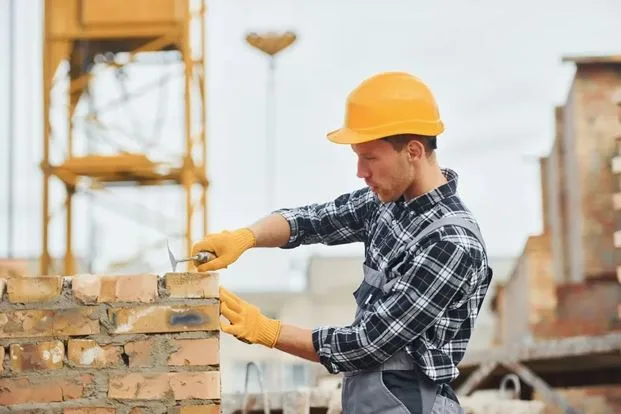
Masonry can add strength, character and long-term value to a property, whether you’re building a patio, repairing brickwork or adding a new stone feature. However, the finished result depends heavily on the quality of workmanship behind it. Even premium materials can perform poorly when preparation, mortar selection or installation techniques aren’t suitable for the project.
Choosing a masonry professional therefore involves more than comparing prices. Experience, project planning, material knowledge and attention to detail can all influence how the work looks and performs over time.
When comparing Masons in Wilmington NC, property owners should consider whether a contractor regularly handles the specific type of work required. A company experienced with brick, stone, block, concrete and stucco can assess the project from several angles and recommend materials and construction methods appropriate for the property.
Start by Defining the Project Clearly
Before requesting quotations, establish what you actually want the masonry work to achieve.
Residential projects may include:
- Brick or stone repairs
- Patios and walkways
- Retaining walls
- Outdoor kitchens
- Fireplaces and fire pits
- Pool surrounds
- Stucco work
- Foundation repairs
A clear scope makes it easier for contractors to provide accurate recommendations and realistic estimates.
Repair and New Construction Require Different Skills
Building a new patio isn’t the same as restoring an older brick wall. Repair work often requires matching existing materials, identifying the reason for deterioration and preserving surrounding masonry.
New construction places greater emphasis on groundwork, layout, drainage and creating a stable foundation for the finished structure.
Ask About Material Experience
Brick, natural stone, concrete block and stucco each behave differently. Contractors should understand how the chosen material responds to moisture, movement and weather exposure.
For restoration projects, material compatibility becomes especially important. Using mortar that doesn’t suit existing masonry can affect both appearance and long-term performance.
A contractor should be able to explain why a particular material or repair method is suitable rather than simply recommending the quickest option.
Look Closely at Previous Work
Photographs of completed projects can reveal much more than a list of services.
When reviewing previous masonry work, look at:
- Consistency of mortar joints
- Alignment of brickwork
- Stone placement
- Curves and corners
- Transitions between materials
- Overall finish
If you’re planning a specialist feature, ask to see comparable projects rather than relying entirely on unrelated examples.
Details Matter in Visible Masonry
Masonry often becomes a permanent visual feature. Uneven joints, poorly matched mortar or inconsistent patterns can remain noticeable for years, which makes finishing quality particularly important.
Don’t Ignore Drainage and Site Preparation
Many masonry problems begin beneath or around the finished surface.
Patios, walkways and retaining structures need appropriate preparation and drainage to reduce the likelihood of movement or water-related deterioration.
Before work starts, discuss:
- Ground conditions
- Excavation requirements
- Base preparation
- Water drainage
- Existing structures
- Access for materials and equipment
A contractor who considers these details early is less likely to encounter preventable problems once construction begins.
Understand What the Quote Includes
The lowest number on a quotation doesn’t necessarily represent the best value.
A useful estimate should make it reasonably clear what work is included. Depending on the project, this could cover preparation, materials, labor, cleanup and removal of existing masonry.
Ask questions if anything is unclear before approving the work. Comparing equivalent scopes is much more useful than comparing headline prices alone.
Choose Experience That Matches the Job
When researching Stucco Repair in Wilmington NC, consider the breadth and length of their experience as well as price. Contractors who regularly work on residential and commercial projects may be better equipped to handle everything from decorative hardscaping to structural masonry repairs.
Swan Masonry has operated since 1997 and provides brick, block, stone, concrete, stucco and hardscape services, including repairs, patios, outdoor living spaces, retaining walls and commercial masonry projects.
Communication Matters Too
Good workmanship is essential, but so is clear communication. You should understand what will be built, which materials will be used and how the project is expected to progress.
A contractor willing to discuss these details before starting can make the entire process easier to manage.
Think About Long-Term Maintenance
Masonry is durable, but periodic maintenance can extend its useful life.
After completion, ask how the surface should be cleaned, what signs of deterioration to watch for and whether joints or finishes will require future attention.
Small cracks, loose mortar and drainage problems are usually easier to address when caught early rather than after surrounding masonry has deteriorated.
Conclusion
Choosing a masonry contractor means balancing workmanship, experience, materials and careful project planning. Taking time to review previous work, understand the quotation and discuss preparation can help you avoid shortcuts that compromise the finished result. Swan Masonry brings decades of experience to residential and commercial masonry projects, providing construction, repair and restoration services for property owners seeking durable, professionally finished masonry.