The Real Learning Curve Behind Owning a Wood CNC Machine
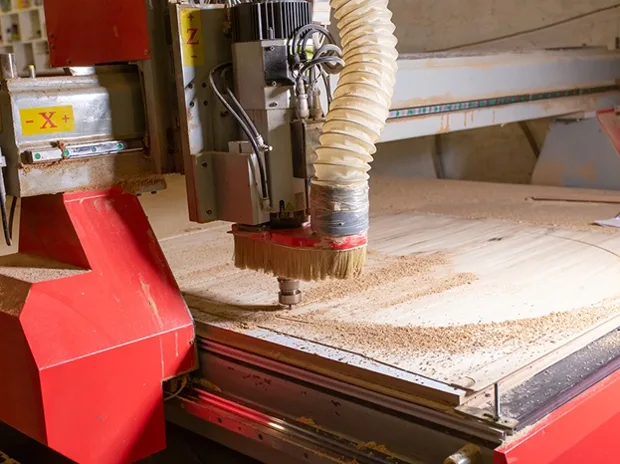
Automated cutting looks almost effortless from the outside. A digital design goes into the software, the machine follows its programmed path, and a finished part emerges. In practice, producing accurate, repeatable work requires knowledge that only develops through testing, observation, and the occasional ruined sheet of material.
Once a wood CNC machine arrives on the shop floor, owners quickly discover that researching and buying the equipment was the first step in the learning curve. They must learn design software, cutting tools, material behaviour, maintenance, and production planning. Doing so, however, creates lasting value. Each solved problem improves your business’s ability to produce better work with less waste.
Software Skills Come First
CNC production begins long before the spindle starts turning. Operators need to create or import a design, convert it into toolpaths, and tell the machine how to complete each cut. A small programming error can produce the wrong dimensions, damage the material, or send a cutting tool where it should never go.
Even user-friendly software requires an understanding of vectors, layers, cutting depths, tool compensation, and machining order. Simulation tools can reveal obvious mistakes, but they can’t replace practical judgment. Beginners usually become competent by starting with simple jobs and gradually adding pockets, contours, drilling operations, and more complex three-dimensional work.
Feeds and Speeds Require Experimentation
Every cutting tool has an operating range. The spindle speed, feed rate, cutting depth, tool diameter, flute count, and material all influence the result. Moving too slowly can generate excess heat and burn the wood. Moving too quickly may cause rough edges, missed steps, or broken bits.
Online calculators and manufacturer recommendations provide useful starting points, not universal answers. Plywood quality varies, hardwood species behave differently, and even moisture content can affect a cut. Skilled operators learn to inspect chips, listen to the machine, and examine the finished edge. Those signals often provide more info than a preset chart.
Workholding Can Make or Break a Job
A precise toolpath produces poor work if the material shifts during cutting. Choosing the right hold-down method is therefore one of the most important practical skills to develop.
Vacuum tables are efficient for sheet goods, but small parts may lose suction as surrounding material is removed. Clamps provide strong support but must remain clear of the cutting path. Screws, tabs, jigs, and spoilboard techniques each suit different jobs. Reliable production comes from planning how the material and every cut piece will remain secure from beginning to end.
Efficiency Develops Between Jobs
New owners often focus on cutting time, even though setup, programming, material handling, sanding, and tool changes may consume more labour. A machine that finishes a part in five minutes is not truly efficient if preparation takes an hour.
The larger business opportunity lies in building repeatable systems. Standardized file naming, tool libraries, setup sheets, inspection checkpoints, and material records reduce guesswork on future orders. Accurate job costing matters as well. Quotes should account for programming, test cuts, consumables, cleanup, maintenance, and the risk of material loss, not merely machine runtime.
Confidence Comes From Controlled Practice
A CNC operator rarely reaches a point where there is nothing left to learn. New materials, tooling, software updates, and customer requests continually introduce fresh variables. The goal is to make that experimentation controlled and measurable.
Before accepting demanding production work, create test pieces, record the settings, and study the results. That habit turns early mistakes into useful operating knowledge. Over time, the machine becomes more predictable, quotes become more accurate, and ambitious projects feel far less risky. Start with manageable work, document what happens, and let each job make the next one better.