How Custom Ring Boxes Shape the Jewelry Gifting Experience
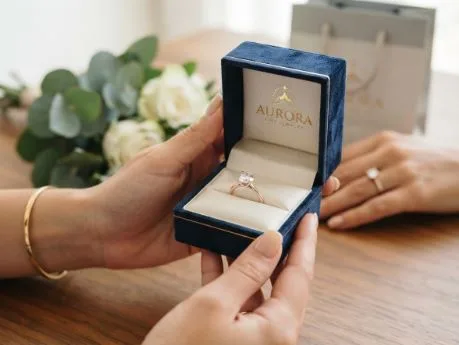
The lid lifts, and the recipient sees the box before the ring. In that first second, the box already signals whether the gift feels intimate, formal, playful, or carefully made.
Custom ring boxes shape the gifting experience before the ring is touched. They set the expectation, control the reveal, frame the first view, influence how the piece feels in the hand, and affect whether the box remains useful after the occasion.
By the end, you will be able to:
- Match box size and opening style to a proposal, ceremony, or retail handoff.
- Check insert fit, ring angle, contrast, and lid clearance with the real piece inside.
- Choose material and personalization without letting the box compete with the ring.
- Catch movement, scraping, excess decoration, and opening friction before approval.
- Turn one successful ring box into a consistent family of jewelry gift boxes.
A 1992 study of general gift wrapping used four experiments and found that presentation could shape attitudes through mood. It did not test ring boxes, so treat that as a clue, not a guarantee.
How the Five Stages of Gifting Work
A ring box begins working while it is still closed. Its size, weight, color, and surface give the recipient a quiet clue about what may be inside. Follow the experience in order first. That makes the later design choices easier to judge.
Anticipation Begins Before the Box Opens
The closed box creates a promise. A small, slim box is easier to carry and conceal for a proposal. A larger presentation box may suit a ceremony or retail handoff.
Size, weight, color, and surface shape that meet expectations. Check the closed sample in the real hand position. If it feels awkward, the surprise will not fix it.
The Opening Motion Controls the Reveal
The opening action sets the pace. A hinged lid creates a direct reveal, a lift-off lid adds a pause, and a drawer asks the recipient to pull the jewelry into view. The hand should never have to search for the next move.
A lid that needs too much force, a drawer that scrapes, or a closure that releases early can interrupt the moment. Open the sample with one hand, then repeat the motion on a table. Look for a smooth path and enough clearance for the setting.
The First Sight Should Belong to the Ring
The first view depends on the insert, box depth, lid clearance, and contrast around the jewelry. The ring should appear centered and upright, then come out easily.
The insert must suit the band width and setting height. Open the box at gifting height, take a quick photo from the recipient’s view, move it lightly, and open it again. The ring should return to the same position.
Touch and Sound Confirm the Feeling
The hand reads a box before the mind names its material. Velvet can feel soft. Wood can feel lasting. Wrapped paperboard can feel refined when its edges and seams stay clean.
Check for loose fibers, rough corners, lifting wrap, rattles, scrapes, and loose hinges. Noise suggests that the box needs adjustment.
The Box Keeps Working After the Gift
A ring box may become a place for storage, travel, photographs, or keepsakes. Compact size and a stable insert help it remain useful.
No design can guarantee that a recipient will keep it. Ask whether it will still feel practical after the ring has been worn.
The five stages show what the recipient experiences. The next step is to decide which physical details control each stage.
Which Design Details Shape the Experience
The five stages become easier to control when the design brief names the physical details behind them. Proportion, insert fit, color, material, personalization, and portability all affect the ring’s behavior. Work from the ring outward, not from a catalog of decorative options inward.
Proportion Sets the Right Expectation
The box should match the ring and the occasion. A very large box can make a small ring feel lost, while a narrow box can crowd a high setting.
Review the real piece inside the closed box. Check the space above the stone and under the insert. A proposal box must also fit the way it will be carried.
The Insert Holds the Ring at the Best Angle
The insert holds the ring in a fixed position while allowing easy removal. Check the band slot, setting clearance, lining, and ring position after carrying and reopening.
Use this short sequence:
- Place the real ring in the insert and close the lid.
- Open the box from the normal gifting position.
- Move the closed box lightly from side to side.
- Reopen it and compare the ring angle with the first view.
- Remove and replace the ring without stretching the slot.
Color and Contrast Guide the Eye
Color guides the eye. A darker interior may give a bright stone more contrast, while a calm lining can let warm metal stand out.
View the sample in normal room light. If the lining, stone, and metal blend together, adjust the contrast before adding decoration.
Material Changes the Mood and Touch
Material changes the hand feel and the way the box ages. Velvet can soften the presentation. Wood can add grain and weight. Leatherette can create a uniform surface.
Inspect corners, seams, odor, lint, surface wear, and logo clarity with the real ring in front of you.
Personalization Adds Meaning When It Stays Restrained
Personalization can be directed at the recipient or the brand. Initials, a date, or a short message speak to the relationship. A logo, color, or finish helps the customer recognize the jewelry brand.
Choose one primary detail. A personal mark and a quiet brand cue usually carry more meaning than marks on every surface.
Brands comparing Custom Ring Boxes should review the insert, finish, color, logo scale, and personalized detail as one experience. A small mark on the outside may be enough when the inside already gives the ring a strong first view.
Concealment and Portability Protect the Surprise
A slim engagement ring box can make a proposal easier to carry, but thinness alone is not a design goal. Reach into a pocket or bag, open it with one hand, and check the lid clearance around the stone.
Carry the box with the real ring inside. The surprise should stay hidden until the giver chooses to reveal it.
Once the design choices are clear, inspect the ways they can fail. A good idea on paper can still create an awkward moment in practice.
What Can Break the Gifting Moment
Small packaging failures become emotional interruptions when they happen in front of the recipient. Look for movement, scraping, forced opening, competing branding, mismatched decoration, and needless layers.
A Loose Ring Turns Emotion Into Worry
A loose ring can tilt, drop below the intended angle, or move when the box is carried. Carry the closed box, then reopen it and check the position. If the ring shifts, adjust the slot, support, or contact surface.
The best fit is quiet. The ring stays in place, and the recipient can remove it without pulling against the lining.
An Awkward Closure Interrupts the Reveal
A lid that sticks, a hinge that falls back, or a drawer that scrapes changes the giver’s hand movement. Test the closure empty and full, using the hand position required by the occasion. The added weight of the ring and insert can change how the lid moves.
Oversized Branding Makes the Box Compete
A logo should help with recognition, not block the ring. Large marks, heavy foil, repeated symbols, and bright interior branding can pull the eye toward the box.
Keep the brand cue clear and give the jewelry the strongest visual position. A short personal message feels different from a large trademark, so decide which one should be noticed first.
Excess Decoration Raises the Wrong Expectation
The box should match the ring, the relationship, and the occasion. A dramatic light, several ornaments, or an oversized structure may promise a different gift than the piece inside can support.
Mismatch is the problem. A quiet ring may feel lost in a theatrical box. Write down the first three words the packaging suggests and compare them with the jewelry and the moment.
Too Many Packaging Layers Create Friction
Several layers can create a deliberate reveal when each layer has a job. A sleeve may protect the finish, a bag may make carrying easier, and a note may carry information.
Layers become friction when the recipient must remove ribbons, wraps, trays, and cards before reaching a small box. Keep each layer only when it protects the ring, supports the reveal, or carries necessary information.
Avoiding those failures makes a single ring box work well. A brand needs one more step when it wants the same feeling to hold across several jewelry products.
How Brands Can Build a Consistent Gift System
One ring box can create a strong moment. A packaging family makes that feeling repeatable through a shared promise, related cues, product-specific inserts, sample tests, and a physical reference.
Start With One Emotional Promise
Choose one feeling the package should support: intimate, celebratory, calm, modern, or lasting. Turn the word into choices a supplier can see. A compact scale and soft interior may support intimacy, while stronger contrast may suit celebration.
Compare two samples and ask which one supports the chosen feeling. If the answer is unclear, the promise is still too vague.
Keep the Visual Language Consistent
Consistency can come from a shared color family, type style, logo scale, surface finish, or opening behavior. The boxes do not need to be identical.
Record the approved color, mark size, finish, lining direction, and opening feel. A physical reference gives the team the same target.
Adapt the Insert to Each Jewelry Type
Rings need a slot or support that controls the band and setting. Earrings need a card or a pair position. Pendants need to control chain movement. Bracelets and small sets may need a pillow, tray, or separate spaces.
The exterior can stay related while the interior changes with the jewelry.
Approve the Sample in a Real Gifting Sequence
Review the sample in the same order the recipient will experience it:
- Look at the closed box and record the first expectation.
- Open it with the hand position used during gifting.
- Check the ring angle, contrast, lid clearance, and first view.
- Remove and replace the ring while watching for friction, lint, or movement.
- Store and carry the box to see whether it remains useful after the occasion.
Use the real jewelry piece and normal room light. Record the approved color, logo size, insert fit, closure feel, and visible finish.
Protect Consistency Across Repeat Orders
Repeat production can drift in color, logo placement, insert fit, surface finish, or closure feel. Keep the approved sample with the written specifications.
Compare a new batch with the reference in the hand, not on a screen. This makes changes easier to notice before delivery.
Extend the Experience Beyond Ring Boxes
The same emotional promise can carry into earrings, pendants, bracelets, and gift sets when the exterior cues stay related, and the interiors respect each product. A customer should recognize the brand while still seeing that each piece received the support it needs.
Brands planning Wholesale Small Jewelry Gift Boxes should map product type, position, contact surface, removal action, and movement risk before choosing one shared style. A coordinated family starts with the experience, then adapts the structure.
FAQs
Do Ring Boxes Change How a Gift Feels?
Yes. A ring box shapes expectation, reveal, first view, and handling. It cannot replace the ring’s meaning or quality, but it can support or interrupt the moment.
What Is the Best Material for a Proposal Ring Box?
There is no universal winner. Choose based on concealment, protection, touch, style, surface behavior, and opening action. Review the finished sample with the real ring.
Should a Ring Box Match the Jewelry Brand or the Occasion?
Keep the brand language recognizable, then adapt the color, message, size, or finish to the occasion. The package should not feel like a trade show display.
How Much Personalization Is Too Much?
Start with one personal detail and one quiet brand cue. Remove anything that competes with the ring or blocks the first view.
Can One Packaging Style Work for Rings and Other Jewelry?
The exterior language can stay related, but the insert and dimensions should change with the jewelry. Each form has different movement, contact, and removal needs.
Conclusion
A successful ring box manages anticipation, opening, first sight, touch, and memory without competing with the gift. Review the next sample in that order: first judge the experience, then the design details, then the failure points. Keep only the details that protect the ring, support the moment, or strengthen a consistent gift system.