Small Interior Design Details That Can Make a Big Difference at Home
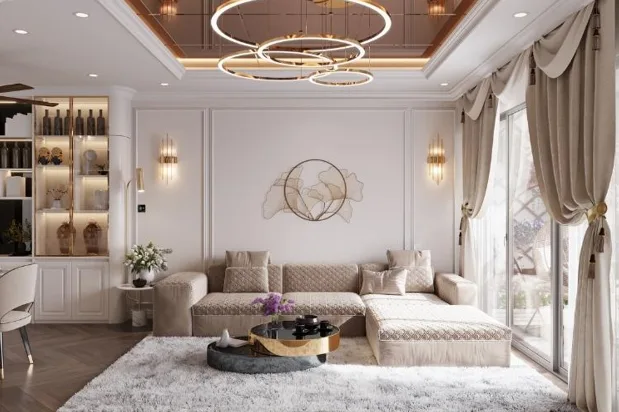
A room can feel slightly off even when you can’t immediately explain why. The furniture works, the colours look fine, and nothing obviously needs replacing, yet the space still feels unfinished.
Often, the answer lies in the smaller details. Curtain length, lighting, furniture position, handles, and texture all influence how a room looks and functions. Paying attention to these features can refresh a home without turning it into a major renovation project.
Give Your Windows the Attention They Deserve
Windows occupy a large amount of visual space, so what surrounds them can influence the whole room. Curtains that sit at an awkward height, look too narrow for the window, or clash with nearby furnishings can throw off an otherwise well-planned interior.
Start with measurements. Measure the curtain pole or track rather than simply measuring the glass. Then consider where you want the curtains to finish. Floor-length curtains can draw the eye upwards and emphasise height, while shorter curtains may make more sense where furniture, radiators or worktops sit below the window.
Think about the curtain heading as well. Pencil pleats create gathered folds and suit many traditional tracks and poles. Ready-made curtains can make this update easier because you can choose a suitable size and style without arranging made-to-measure window dressings. For example, Terrys has a collection of ready-made pencil-pleat curtains if you’re considering this particular heading style.
Colour deserves some thought, but you don’t need to match curtains exactly to the walls. Look around the room for colours you can repeat. A shade found in a rug, cushion or piece of artwork can give the window treatment a connection to the rest of the space.
Change the Hardware Instead of the Furniture
Replacing furniture can become expensive quickly. Before deciding that a kitchen cabinet, wardrobe or chest of drawers has had its day, look at the smaller components.
Handles and knobs can date furniture long before the main piece wears out. Swapping them can change its character while allowing you to keep something that still works perfectly well. This approach works particularly well with kitchen cabinets, bathroom storage and freestanding drawers.
Choose hardware with daily use in mind. A slim handle may look attractive in a photograph but prove irritating if it feels uncomfortable every time you open a heavy drawer. Check its size, grip, position, and appearance.
You can also create a more coherent look by repeating finishes within the same room. You don’t need to make every metal surface identical, but too many unrelated finishes can make a small space feel busy. A little repetition gives the room a clearer visual direction.
Put Light Where You Actually Need It
Many rooms rely too heavily on one ceiling light. It may brighten the space, but it cannot provide the right light for every activity or create much atmosphere after dark.
Instead, think about what happens in different parts of the room. A reading chair needs light nearby. A desk needs focused illumination across its working surface. A dark corner in a living room may benefit more from a floor lamp than from a brighter central bulb.
Table and floor lamps also let you change the feel of a room throughout the day. You can use stronger general lighting for cleaning or work, then switch to smaller lamps for a softer setting in the evening.
Placement matters as much as the fitting itself. Before buying another lamp, move the ones you already own. A small change in position may illuminate a previously gloomy corner or stop a person from casting a shadow over a desk or reading area.
Bring in Texture Without Overloading the Room
Adding another colour isn’t always the answer when a room feels flat. Sometimes it simply needs more textural variation. Look at the surfaces already present. A room filled with smooth finishes can feel stark even if you like its colour scheme. Introducing woven fabric, timber, a textured rug or soft upholstery gives the eye more to notice without adding another strong colour.
Soft furnishings make this easy to try. Cushions, throws and curtains can introduce different textures without demanding a long-term commitment. You can also change them more easily than flooring, furniture or wall finishes if your tastes change.
Avoid filling every surface simply because a room feels unfinished. Too many decorative objects can create visual clutter rather than character. One textured throw across a plain sofa or a rug beneath a seating area may do more for the room than several small accessories.
Move Things Before You Buy Things
One of the easiest interior updates costs nothing: rearrange what you already own. Furniture often stays in the same place simply because that is where someone first put it. Over time, changing routines or adding new pieces can leave a once-sensible layout feeling awkward.
Look at how you move through the room. You should not need to squeeze between a coffee table and sofa or walk around an armchair every time you cross the space. Moving furniture by a small amount can create a clearer route and make the room feel less cramped.
Pay attention to relationships between objects too. Artwork often looks disconnected when it hangs too far above the furniture below it. Rugs can also look misplaced when they appear to float between pieces rather than helping define a seating or dining area.
Finally, try removing something. Crowded shelves and surfaces can make individual objects disappear into the background. Store a few items and give the things you genuinely like more breathing room. You can always rotate decorative pieces later rather than displaying everything at once.
Use Small Details to Add Personality
A home should reflect the people who live there, and small details offer an easy way to make that happen. Instead of buying decorative items simply to fill empty spaces, choose items that are relevant to you. Books you actually read, photographs you enjoy seeing, artwork you have collected, and objects connected to places or people can make a room feel personal without creating a themed interior.
The trick lies in editing. Give favourite pieces enough space to catch the eye rather than surrounding them with unrelated objects. This approach also makes it easier to change a room gradually as you collect new things.
Final Thoughts
A noticeable interior update doesn’t always require new furniture, fresh paint or a large budget. Often, the details that seem least important have been quietly shaping the room all along.
Check the curtains, move a lamp, reconsider the furniture layout, or replace a tired handle. Remove a few unnecessary objects and introduce texture where the room feels flat. These changes may sound modest, but together they can make a familiar home feel more comfortable, practical, and considered.