Blockchains need to focus on distribution in 2026
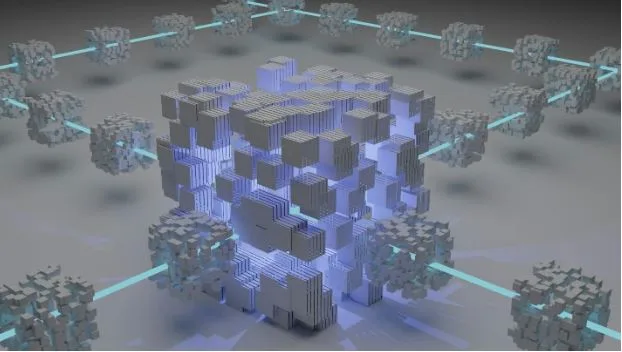
Blockchains are decentralized, distributed, and immutable ledgers that exist exclusively online and are used to record transactions, particularly those taking place in cryptocurrencies. They have become increasingly popular since their original launch due to the fact that they can guarantee transparency and security without the need to rely on a centralized authority. All the data is structured into blocks that are linked together, and after it has been entered in the system, there’s no way to change or modify it anymore. The information is also not stored in a single place, but rather across several different computers (which are known as nodes), so that no single individual or group is in control of the entire network.
Every single block contains cryptographic security features as well, namely a unique hash as well as that of the previous block, making the chain virtually unbreakable. The consensus mechanism dictates that all network participants need to agree on the validity of transactions before they are added to the blockchain in order to guarantee accuracy. If you’re trading ETH/BTC or similar pairs, you might not be thinking about what goes on behind the scenes and how the systems actually guarantee that the transactions are in order, but understanding the ways in which the blockchains work, as well as the manner in which they’ll change, is very important for how to buy Bitcoin.
The ecosystem is changing even now, with innovations still taking place at all times. The latest discussion that investors and analysts are having is about distribution, a key feature.
What is blockchain distribution?
The concept of blockchain distribution refers to the decentralized structure of the ledger, which ensures that the system remains transparent and immutable. All users hold identical copies of the records so that tampering can’t occur. No centralized entity controls the entire network, which is one of the things that attracted investors in the first place, since it means that they get to enjoy more privacy. There’s also the fact that hacking into the blockchain is pretty much impossible as a result of this feature, since any attacker would need to take hold of at least 51% of the entire system in order to be successful. The truth is that something like that is simply not feasible.
If one node fails, the network remains fully operational, meaning that the system can be trusted to be reliable. This is a concept known as fault tolerance. Every time new blocks are added, all nodes are upgraded so that everyone sees the same information at all times. This is one of the main reasons why, beyond its use as a place that can host cryptocurrencies and their transactions, the blockchain is also believed to have the potential to bring growth and development in several different areas, including supply chains, secure data sharing, and traditional finance settlements.
The future of blockchains
While the technology isn’t exactly new anymore, it doesn’t mean that it has stopped evolving. In fact, many seem to think that the blockchain is just getting started. The last few years have been instrumental in the increasingly mainstream adoption of cryptocurrencies, with many institutional investors deciding that cryptocurrencies are the right choice for them and that they can be included in their portfolios. However, the fact that the marketplace has become more popular has also meant that it changed quite significantly. As a result, many blockchain experts believe that the fight for dominance in the blockchain won’t be between those with the lowest fees or the fastest consensus, but between those who can mobilize the largest user bases.
The reason for that is that the blockchains have changed now that settlement and compliance can and are built into the chain’s DNA; individual traders and institutions alike get to become validators, participants, and liquidity providers, all while the transaction costs that used to be accumulated on neutral networks get to remain in-house now. A well-known exchange announced the launch of an Ethereum-based Layer2 network that provides low-cost and developer-friendly solutions for everyone who wants to build decentralized applications on-chain.
Others are directing settlement flows towards their own chains, securing the network effects of the assets. This is particularly common in the case of stablecoins, especially the ones that are known to be stable and which are widely used. The exchanges that deal with millions of merchants have the ability to migrate payment rails as well, making faster payouts and lower fees the main incentives. Based on these factors, many believe that the center of gravity in the blockchain world has already moved upstream.
The future
It is quite challenging to come up with robust predictions in the crypto world since things are changing so fast. It’s not just the prices and the engagement rates but also the fact that the ecosystem is susceptible to influence coming from macroeconomic sectors and geopolitics. Taking all these factors (which are volatile themselves) into account requires the ability to carry out a very complex analysis. At the moment, the crypto world is definitely on the brink of change, but how things will unfold remains more or less a mystery.
Some say that corporations will lead to liquidity fragmentation and perhaps even cause users to become more isolated from the larger ecosystems. This isn’t exactly impossible as these scenarios could occur, but it isn’t yet certain. Others point out that the launch of PayPal USD didn’t cause disruptions right away, but that even if a mere 5% of the total user base were to carry out transactions on proprietary rails, the adoption shockwaves will end up dwarfing any crypto-native launch.
The intrinsic architecture of the system is already moving towards increasing distribution and not the other way around, which is why so many believe that the throughput wars are no longer relevant.
As a crypto investor, you want to keep up with the latest market developments to ensure that your portfolio and assets are safe at all times. Doing so can take some effort since the markets are fundamentally different from traditional ones. But being aware of the shifts and swings taking place in the larger trading environment can genuinely become the things that make or break your holdings.
Disclaimer
This article is for informational purposes only and does not constitute financial or investment advice. Blockchain developments and market conditions can change rapidly, so readers should conduct their own research before making decisions.