How Physiotherapy Helps Improve Mobility, Strength, and Athletic Performance
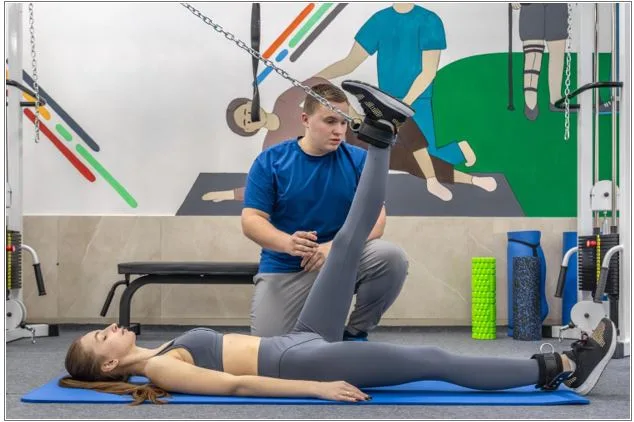
A stiff joint, recurring ache, or small drop in performance can be easy to ignore when training is part of everyday life. The problem is that these issues rarely stay small when movement patterns remain unchanged. Physiotherapy can help identify what is limiting movement, rebuild strength, and improve how the body handles physical demands.
Whether you are returning to exercise after an injury, trying to move more freely, or aiming to perform better on the field, court, track, or in the gym, working with a physiotherapist Chiswick can provide a structured path forward. A good sports therapy clinic does more than treat pain. It looks at how you move, why the problem may have developed, and what needs to change to help you stay active.
Why Mobility and Strength Matter for Athletic Performance
Athletic performance is not simply about being stronger or training harder. Your body needs enough mobility to move through the positions required by your sport and enough strength to control those movements.
Consider a runner who regularly feels tight around the hips. The issue may not be a lack of flexibility alone. Limited hip movement can affect stride mechanics, while weakness around the hips and core may make it harder to maintain control as fatigue sets in. Pushing through more training may only reinforce the same movement pattern.
Physiotherapy is a different approach.
A physiotherapist may assess joint mobility, muscle strength, balance, coordination, posture, and movement quality before developing an exercise plan. The aim is not to make every movement look perfect. It is to identify the restrictions or weaknesses that are actually affecting function.
What will happen when one has limited mobility?
Limited mobility can make regular movements more complicated. Athletes are likely to experience the consequences of limited mobility of their joints while they perform repetitive or fast movements.
The restriction in one area can make the body adapt by compensating it by using different parts of the body.
For instance:
- Limited ankle movement may interfere with squatting, landing, or moving in a different direction.
- Limited hip mobility may change the running pattern and lower limb control.
- Insufficient thoracic mobility may make the overhead movements uncomfortable.
Stiffness of the injury may change the way the person uses the affected area but it does not mean that one will necessarily get injured.
How does physiotherapy build useful strength?
Strength training in physiotherapy is usually more specific than simply lifting heavier weights.
The exercises may begin with controlled movements and gradually become more demanding as strength and confidence improve. Depending on the individual and their goals, treatment may include resistance exercises, balance work, mobility drills, coordination exercises, and sport-specific movements.
A football player recovering from a knee injury, for instance, may need more than basic leg strengthening. Their rehabilitation could progress from controlled squats and step-ups to single-leg exercises, changes of direction, jumping, and eventually movements that resemble the demands of their sport.
Progress matters more than rushing.
Trying to return to previous training levels before the body is ready can create frustration and setbacks. A gradual increase in load gives the body an opportunity to adapt while allowing progress to be monitored along the way.
Can physiotherapy improve performance even without an injury?
Yes, although physiotherapy should not be presented as a shortcut to better performance.
Someone who is pain-free may still have areas of weakness, reduced control, or movement limitations that affect how efficiently they train. A physiotherapy assessment can highlight these factors and help build a targeted exercise program
Take, for example, a regular gym member who tends to lose their stability during a single-leg exercise. They may benefit from targeted training aimed at building strength and control. Similarly, a casual runner who notices a drop in pace toward the end of their workout might want to analyze their conditioning, strength level, recovery, running load, and technique before just trying to add more distance.
The approach that is taken will be practical; the aim is to teach the body how to cope better under given conditions.
This is where personalized treatment steps in. Even with two patients experiencing the same symptoms, the causes can be very different, which is why their recovery plans cannot simply be identical.
Any rehabilitation program should progress in line with the patient’s achievements. As the movement improves and the patient becomes stronger, the exercises should become more demanding and closer to what the patient requires from their body.
For people considering physiotherapy at a sports therapy clinic, the most valuable starting point is often a proper assessment rather than choosing exercises based solely on where the pain is felt.