Qdoba Nutrition Calculator: A Simple Guide to Tracking Your Meal
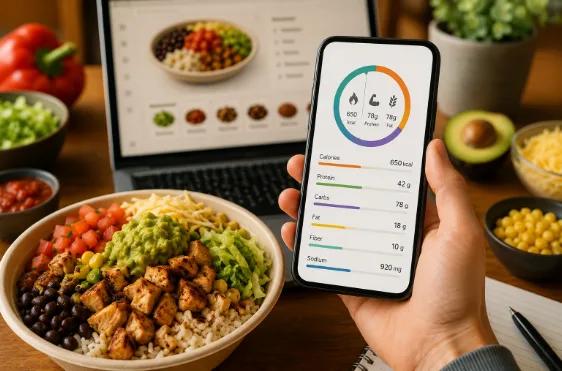
Eating out can make it difficult to keep track of what you are consuming. Restaurant meals often contain several ingredients, and portion sizes can vary depending on how a dish is prepared. If you enjoy eating at Qdoba but still want to understand your daily nutrition, a qdoba nutrition calculator can make meal planning much easier.
Instead of guessing how many calories, carbohydrates, protein, or fats are in your meal, a calculator can help you estimate the nutritional value based on the ingredients you choose. Whether you are counting calories, increasing protein intake, reducing carbohydrates, or simply becoming more aware of your food choices, understanding your meal can help you make better decisions.
This guide explains how a qdoba nutrition calculator works, why it can be useful, and how to use one effectively when building your next Qdoba meal.
What Is a Qdoba Nutrition Calculator?
A Qdoba nutrition calculator is a tool designed to estimate the nutritional information of a meal based on its individual ingredients. Since customers can customize many Qdoba meals, the total nutritional value depends on what goes into the order.
For example, a bowl containing rice, beans, chicken, cheese, salsa, and sour cream will have a different nutritional profile from a bowl containing vegetables, grilled protein, and salsa. A calculator allows you to select ingredients and see how each choice affects the overall meal.
Depending on the tool, you may be able to review information such as:
- Calories
- Protein
- Total carbohydrates
- Dietary fiber
- Total fat
- Saturated fat
- Sodium
- Sugar
This makes it easier to understand your meal before placing an order rather than trying to estimate everything afterward.
Why Tracking Your Qdoba Meal Matters
Eating at a restaurant occasionally does not automatically interfere with healthy eating. The challenge usually comes from not knowing what is included in a meal. Ingredients such as cheese, sauces, dressings, and creamy toppings can add significant calories without making the meal appear much larger.
Tracking your food gives you more control over your choices. You do not necessarily have to remove your favorite ingredients. Instead, you can decide which items are most important to you and adjust other parts of the meal accordingly.
For instance, if you want a higher-protein meal, you can prioritize a protein-rich ingredient while choosing toppings that complement your nutritional goals. If you are trying to manage calories, you can compare different combinations before ordering.
The goal is not to make every meal perfect. It is to understand your options and make choices that fit your overall eating habits.
How a Qdoba Nutrition Calculator Works
Most nutrition calculators follow a simple process. You start by selecting the type of meal you want, such as a burrito, bowl, tacos, salad, or another menu option. You then add individual ingredients.
Each ingredient contributes its own nutritional information to the total. When you add or remove something, the estimated nutrition changes.
A typical process looks like this:
- Choose your main meal type.
- Select a base such as rice, greens, or another available option.
- Add your preferred protein.
- Choose beans or vegetables.
- Add salsa, cheese, sauces, or other toppings.
- Review the estimated nutritional information.
- Adjust ingredients according to your preferences.
This approach is particularly helpful for customized meals because you can see how small changes influence the overall nutritional profile.
Start With the Base of Your Meal
The base is an important part of many Qdoba meals. Rice, greens, or other foundational ingredients can affect the calories and carbohydrates in your final order.
If you enjoy rice, you do not necessarily need to eliminate it. Instead, consider how much of your meal it represents. You can balance it with vegetables and protein to create a more satisfying combination.
Choosing greens as a base may be useful for people who want to reduce the carbohydrate content of their meal. However, nutritional goals vary from person to person, so the best choice depends on your individual needs.
Using a qdoba nutrition calculator before ordering allows you to compare these options rather than making a decision based only on assumptions.
Choose Protein Based on Your Goals
Protein can play an important role in creating a satisfying meal. Qdoba offers different protein choices, and each can contribute differently to calories, fat, and protein totals.
If protein is a priority for you, compare available options and consider how they fit with the rest of your meal. Adding a protein source to a bowl or salad can make the meal more filling, while the other toppings can be adjusted to keep the overall nutrition within your preferred range.
Remember that more protein is not automatically better for everyone. Your daily requirements depend on factors such as age, activity level, body size, and overall dietary needs.
Pay Attention to Toppings and Extras
Toppings can completely change the nutritional value of a meal. Cheese, sour cream, dressings, sauces, and other additions may seem small, but several extras together can significantly increase calories and fat.
This does not mean you have to avoid toppings. Instead, think about which flavors you enjoy most.
For example, you might choose your favorite salsa while skipping an extra sauce you do not care about. Another person may prefer cheese and vegetables while using less dressing.
The advantage of a calculator is that you can experiment with these combinations. You can add an ingredient, check the estimate, and then decide whether it is worth including.
How to Build a Balanced Qdoba Meal
A balanced restaurant meal does not have to be complicated. Start by thinking about the main components you want and then use the calculator to review the overall combination.
A practical meal-building approach includes:
- A base that fits your eating preferences
- A suitable protein source
- Beans or vegetables for additional nutrients
- Flavorful salsa or toppings
- Optional cheese, sauces, or creamy additions
- A portion size that matches your appetite
You can also compare two versions of the same meal. For example, create your regular order first and record the estimated nutrition. Then make a few changes and compare the totals.
This simple exercise can reveal which ingredients have the greatest impact on your meal.
Using Nutrition Information for Calorie Awareness
Calorie tracking can be useful when you are trying to understand your overall food intake. However, calories are only one part of nutrition.
A meal with a similar calorie count can have a very different balance of protein, carbohydrates, fat, fiber, and sodium. That is why it is useful to look beyond the calorie number.
If you are tracking calories, consider the entire meal rather than focusing on a single ingredient. A combination that provides protein and fiber may keep you satisfied longer than a meal made primarily from refined carbohydrates and high-fat toppings.
The calculator gives you information, but you decide how to use it based on your personal goals.
Watch Sodium and Other Nutrients
Calories often receive the most attention, but sodium can also be important. Restaurant foods may contain more sodium than meals prepared at home because of seasonings, sauces, cheeses, and prepared ingredients.
If sodium intake is something you monitor, check the nutrition information carefully. You may be able to reduce your overall intake by changing certain ingredients or limiting additional sauces.
The same principle applies to saturated fat, sugar, carbohydrates, and fiber. Looking at multiple nutritional categories gives you a clearer picture of what you are eating.
Make the Calculator Part of Your Routine
You do not need to calculate every meal forever. The main benefit of using a nutrition calculator regularly is that it can help you become familiar with your favorite combinations.
After using it several times, you may naturally learn which ingredients are higher or lower in certain nutrients. This can make ordering faster because you already understand how your usual meal fits into your eating plan.
You can also save a few favorite combinations that work well for you. Having reliable options makes restaurant dining less stressful when you are trying to stay mindful of your nutrition.
Keep Your Tracking Practical and Flexible
Nutrition tracking should support your lifestyle rather than make eating stressful. Estimates may vary because portion sizes and preparation methods are not always identical.
For this reason, treat calculator results as useful estimates rather than absolute measurements. If you are managing a specific medical or dietary requirement, rely on professional guidance and official nutritional information where available.
It is also helpful to avoid thinking of individual foods as strictly good or bad. A balanced approach allows room for enjoyment while still keeping your overall eating pattern aligned with your goals.
Make Better Choices With Every Meal
A Qdoba meal can fit into many different eating styles when you understand what you are ordering. The key is awareness. Instead of choosing ingredients randomly, you can use nutritional information to build a meal that suits your preferences and daily targets.
A qdoba nutrition calculator gives you a convenient way to explore different combinations before ordering. By checking the base, protein, toppings, sauces, and other ingredients, you can create meals with a better understanding of their nutritional content.
The next time you visit Qdoba, take a few moments to plan your order. Small adjustments can make a meaningful difference, and you do not have to sacrifice the flavors you enjoy. With a little practice, tracking your meal can become a simple part of making informed food choices.