Why More Rideshare Drivers Are Switching to Hybrid Cars
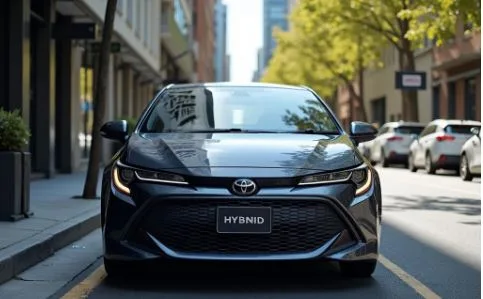
The gig economy’s vehicle economics have shifted quietly over the past few years. What used to be a straightforward choice — whatever car a driver already owned — has turned into a genuine strategic decision for rideshare and delivery drivers, as fuel costs, platform requirements, and vehicle age limits all push in the same direction: toward hybrid.
The math behind this shift isn’t complicated. A driver spending six or more hours a day behind the wheel is, in effect, running a small transport business, and fuel is one of the few variable costs they can actually control by choosing the right vehicle. Hybrid drivetrains, which recover energy during braking and idle far more efficiently in stop-start city traffic than traditional engines, translate directly into more take-home pay per shift — precisely the kind of driving pattern most rideshare and food-delivery work involves.
Ride-hailing platforms have accelerated the shift further by tightening vehicle requirements in many cities, favoring newer, lower-emission cars, and in some markets openly incentivizing hybrid and electric vehicles with better trip allocation or bonus programs. For drivers weighing whether to keep an older, higher-emission vehicle or make a change, the platform incentives alone are increasingly enough to tip the decision.
Not every driver is in a position to buy a hybrid outright, though, and that’s where rental and flexible-access models have grown quickly. Rather than committing tens of thousands of dollars to a purchase before knowing whether full-time driving suits them, many drivers are opting to rent a hybrid vehicle built specifically for platform work, test the economics for a few months, and make a longer-term decision once they have real numbers instead of estimates.
In Melbourne, this has translated into demand for services set up specifically around rideshare drivers rather than general car hire. Rideshare car rental in Melbourne through operators built around exactly this model means the vehicle already meets platform requirements on day one, comes with unlimited kilometre allowances so drivers aren’t penalised for doing the job the car was rented for, and includes insurance and servicing that’s harder to arrange affordably as an independent owner-driver.
The bigger picture here is less about any single city and more about where the gig economy is heading generally. As fuel prices remain a live issue and platforms continue tightening requirements around vehicle age and emissions, hybrid is shifting from a nice-to-have to close to a baseline expectation for anyone driving full-time. Drivers who make that shift early, whether through ownership or rental, are positioning themselves to keep more of what they earn as the rest of the industry catches up.
For platforms themselves, there’s a reputational angle too — passenger expectations have shifted alongside driver economics, and a fuel-efficient, well-maintained vehicle has become part of what riders now associate with a decent trip experience. That alignment between what’s good for a driver’s bottom line and what riders have come to expect is part of why the hybrid shift looks less like a trend and more like where the market was always going to land.