How Modern Video Creation Is Becoming Faster and More Flexible
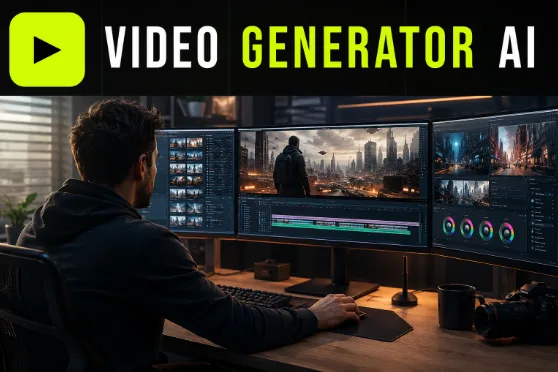
Creating a polished video once required significant planning, editing skills, and access to the right production tools. Today, creators can simplify much of that process with an ai video generator that turns text prompts or images into complete visual scenes. Platforms such as Video-Generator.ai support different visual styles, customizable motion, character consistency, and high-quality exports, making video creation more accessible for marketing campaigns, social media content, presentations, and creative projects.
Turning Ideas Into Visual Stories
One of the biggest challenges in video production is moving from an idea to an actual scene. A written concept may sound clear in someone’s mind, but translating it into visuals can take hours of planning and editing.
Text-based video creation provides a more direct workflow. Users can describe a scene, specify the atmosphere, identify important subjects, and provide details about movement. The resulting video can then be refined according to the desired direction.
This approach works well for short promotional clips, educational content, storytelling projects, product presentations, and social media posts where visual communication needs to be quick and engaging.
Creating Videos From Images
Images can also serve as useful starting points for video projects. Instead of building every scene from the beginning, creators can provide an existing image and develop motion around it.
For example, a product photograph can become part of a short promotional sequence, while an illustrated character can be placed into a moving environment. This gives creators more control over the starting visual while allowing them to explore different movements and presentation styles.
Image-based creation can be particularly useful for designers, online sellers, marketers, and content creators who already have visual assets they want to develop further.
Exploring Different Visual Styles
Not every project needs the same visual appearance. A social media advertisement may require a polished cinematic presentation, while an entertainment project might benefit from an anime-inspired design.
Having access to multiple styles allows creators to experiment before settling on a specific direction. Changes in lighting, composition, motion, and visual treatment can influence how viewers perceive the same basic idea.
This flexibility also makes it easier for brands and independent creators to produce content that matches their existing visual identity.
Keeping Characters Consistent
Character consistency can become difficult when a story includes several scenes. Small changes in clothing, appearance, or facial features can make separate shots feel disconnected.
Modern video creation platforms can help maintain a more consistent character appearance across different scenes. This is useful when creating short stories, animated sequences, promotional campaigns, or recurring social media content.
A consistent character can also become a recognizable part of a creator’s visual identity, especially when the same figure appears repeatedly across different videos.
More Control Over Motion
Movement can completely change the feel of a scene. A slow camera movement may create a calm atmosphere, while faster motion can make a sequence feel energetic.
Customizable motion gives creators more room to shape how subjects and cameras behave within a scene. Rather than relying on a fixed result, users can experiment with movement that supports the purpose of their video.
This can be helpful for product demonstrations, cinematic scenes, social media clips, and visual storytelling where motion needs to complement the message.
Useful for Social Media Content
Social platforms have made short-form video a major part of online communication. Businesses and individual creators often need fresh content without spending excessive time producing every clip manually.
A video generator can help turn simple concepts into content suitable for social media. Product highlights, announcements, educational snippets, visual quotes, promotional scenes, and short stories can all be developed from relatively simple inputs.
High-quality exports also make it easier to prepare finished videos for different digital platforms without sacrificing the visual quality needed for professional presentation.
Supporting Marketing Projects
Video is widely used in digital marketing because it can communicate information through visuals, movement, and sound. A well-planned clip can introduce a product, demonstrate a service, explain an idea, or attract attention to a campaign.
Small businesses may find these tools particularly useful when they need promotional material but do not have access to a full production team. Marketing teams can also use them to explore several creative concepts before deciding which direction deserves further development.
The result is a workflow where experimentation becomes easier. Instead of investing heavily in one concept immediately, creators can test different scenes and visual approaches first.
A Practical Workflow for Better Results
Good video creation still starts with a clear idea. Before generating a scene, it helps to decide what the viewer should see, what should move, and what feeling the video should create.
A simple workflow can begin with a short description of the scene, followed by details about the subject, setting, camera movement, and visual style. After reviewing the first version, creators can adjust individual elements rather than rebuilding the entire concept.
This process encourages experimentation while keeping production organized. A strong final video often comes from several small improvements rather than one perfect first attempt.
Where Creative Projects Can Go Next
The combination of text prompts, image-based creation, flexible motion, varied styles, and consistent characters gives creators more ways to transform ideas into moving visuals. A concept that once existed only as a paragraph or still image can now become the starting point for a complete video sequence.
For marketers, designers, storytellers, and social media creators, that means the distance between an idea and something people can actually watch is becoming much shorter. Sometimes all a project needs is a clear scene, a strong concept, and the willingness to see where the next frame leads.