Smart Property Management: Security, Plumbing, and Selling Options
Managing a property requires attention to many details. Owners and managers must think about safety, maintenance, operating costs, and the property’s long-term condition. A neglected security system can leave valuable assets vulnerable, while an ignored plumbing issue can interrupt business operations and cause expensive water damage. At the same time, property owners sometimes reach a point where selling makes more sense than continuing to maintain a difficult or unwanted property. Taking a proactive approach helps owners identify problems early and make better financial decisions. By combining effective security measures, professional plumbing support, and a clear understanding of selling alternatives, property owners can protect their investments and respond more confidently to changing circumstances.
Making Security a Priority
Security should form an essential part of any property management plan. Commercial buildings can contain equipment, inventory, technology, confidential documents, and other valuable assets. They may also have employees and visitors entering and leaving throughout the day. These factors create opportunities for theft, vandalism, unauthorized access, and other security concerns.
Professional Security Guard Services in Southern California can provide an active security presence for businesses and properties that require additional protection. Depending on the property’s needs, security personnel may perform patrols, monitor entrances, control access, observe activity, assist visitors, and respond to incidents.
A visible security presence can also help employees feel more comfortable. Staff members may be more confident when they know trained personnel are available to address security concerns. For businesses that operate late at night or around the clock, professional security can become an especially valuable part of the overall safety strategy.
Developing a Layered Security Plan
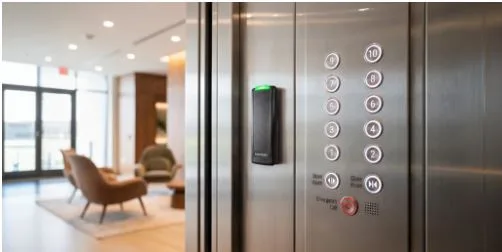
Security works best when property owners combine several protective measures. Cameras, lighting, alarms, locks, access-control systems, and trained personnel can work together to reduce risks. Each property requires a different combination based on its location, layout, operating hours, and potential threats.
Managers should regularly review entrances, parking areas, storage spaces, and other vulnerable locations. Poor lighting around an entrance, for example, can make an area less secure. Similarly, an outdated access-control system may create unnecessary risks.
Employee awareness also matters. Staff should know how to report suspicious activity and what to do during emergencies. Clear procedures reduce confusion and help everyone respond more effectively when an unexpected situation occurs.
Protecting Commercial Plumbing Systems
Security is only one aspect of responsible property management. Plumbing systems also require regular attention. Commercial buildings often experience heavier water usage than residential properties, which can place additional pressure on pipes, fixtures, drains, and water heaters.
A leaking pipe or blocked drain can quickly disrupt operations. In a restaurant, plumbing problems may affect food preparation and sanitation. In an office building, a damaged restroom can inconvenience employees and visitors. A major leak can also damage flooring, walls, ceilings, equipment, and stored materials.
When a commercial plumbing problem appears, property managers should avoid unnecessary delays. A Commercial Plumber Sacramento can inspect commercial plumbing systems, identify the source of a problem, and recommend appropriate repairs. Professional assistance can help businesses restore normal operations and reduce the risk of a small issue becoming a major emergency.
The Benefits of Preventive Plumbing Maintenance
Waiting until a pipe bursts or a drain stops working can result in significant expenses. Preventive maintenance offers a more controlled way to manage plumbing systems. Regular inspections can identify corrosion, leaks, pressure problems, damaged fixtures, and drainage issues before they cause serious disruption.
Property managers should maintain records of repairs and inspections. These records can reveal recurring problems and help owners plan future maintenance expenses. They can also help plumbers understand the history of the building’s plumbing system.
Businesses should pay attention to warning signs. Slow drains, unexplained increases in water bills, unusual odors, inconsistent water pressure, and visible moisture can all indicate potential plumbing problems. Addressing these signs early can protect the property and its occupants.
Maintaining Property Value
Good maintenance can influence a property’s long-term condition and value. Buildings that receive regular attention generally present fewer major problems when owners eventually decide to sell or refinance.
Security and plumbing both contribute to this process. Effective security measures can reduce certain risks, while properly maintained plumbing helps protect the structure from water-related damage. Regular maintenance also creates a better experience for tenants, employees, customers, and visitors.
Property owners should therefore view maintenance as an investment rather than simply another operating expense. Spending money on preventive work can sometimes prevent much larger repair costs later.
When Selling May Be the Better Choice
Sometimes maintaining a property no longer makes financial or practical sense. An owner may have inherited a home, relocated to another city, experienced financial difficulties, or simply decided that the property requires more work than they want to manage.
Traditional home sales can involve repairs, cleaning, staging, photography, showings, negotiations, and waiting for financing. These steps may not suit every seller. Some homeowners prefer a simpler process, particularly when they need to sell a property that requires substantial work.
For owners in Philadelphia, cash home buyers in Philadelphia may provide an alternative to a conventional listing. Cash buyers can appeal to sellers who want to explore a direct sale or who prefer not to complete extensive renovations before putting a property on the market.
However, sellers should evaluate every offer carefully. They should understand the purchase price, closing timeline, fees, contract conditions, and any other terms before making a decision.
Comparing Different Selling Strategies
There is no single approach that works for every homeowner. A traditional listing may make sense for someone who has time to prepare the property and wants to pursue the broader market. A direct cash sale may appeal to someone who prioritizes convenience and speed.
Homeowners should compare the potential benefits and costs of each option. A higher initial offer does not necessarily represent the best overall outcome if the seller must spend heavily on repairs, commissions, carrying costs, or extended preparation.
The right decision depends on the property’s condition, the owner’s financial position, desired timeline, and personal priorities. Professional advice can help sellers understand their options before signing an agreement.
Creating an Emergency Response Plan
Property managers should prepare for problems before they occur. An emergency contact list can include security personnel, plumbers, electricians, maintenance contractors, property managers, and relevant building authorities.
Employees should know who to contact when they notice a security concern or plumbing emergency. Managers can also establish procedures for shutting off water, securing affected areas, documenting damage, and communicating with occupants.
A response plan is especially useful when multiple people manage the same property. Everyone can follow the same process rather than making separate decisions during a stressful event.
Working With Reliable Professionals
The quality of outside service providers can directly affect property management. Owners should look for qualified professionals with relevant experience, proper credentials where required, insurance, clear communication, and a strong reputation.
It is often better to establish professional relationships before an emergency occurs. Having a trusted security provider or commercial plumber already familiar with the property can make future problems easier to handle.
Property owners should also review service arrangements periodically. As a building changes, its security and maintenance requirements may change as well.
Conclusion
Responsible property management involves more than responding to problems after they occur. Owners can protect their investments by creating effective security plans, maintaining commercial plumbing systems, and reviewing their options when a property becomes difficult to manage. Professional security personnel can provide an important physical presence, while experienced commercial plumbers can help keep essential building systems operating properly. For homeowners considering a sale, cash purchasing options may provide another path worth evaluating. A proactive approach allows property owners to reduce risks, control costs, and make informed decisions about the future of their properties.